
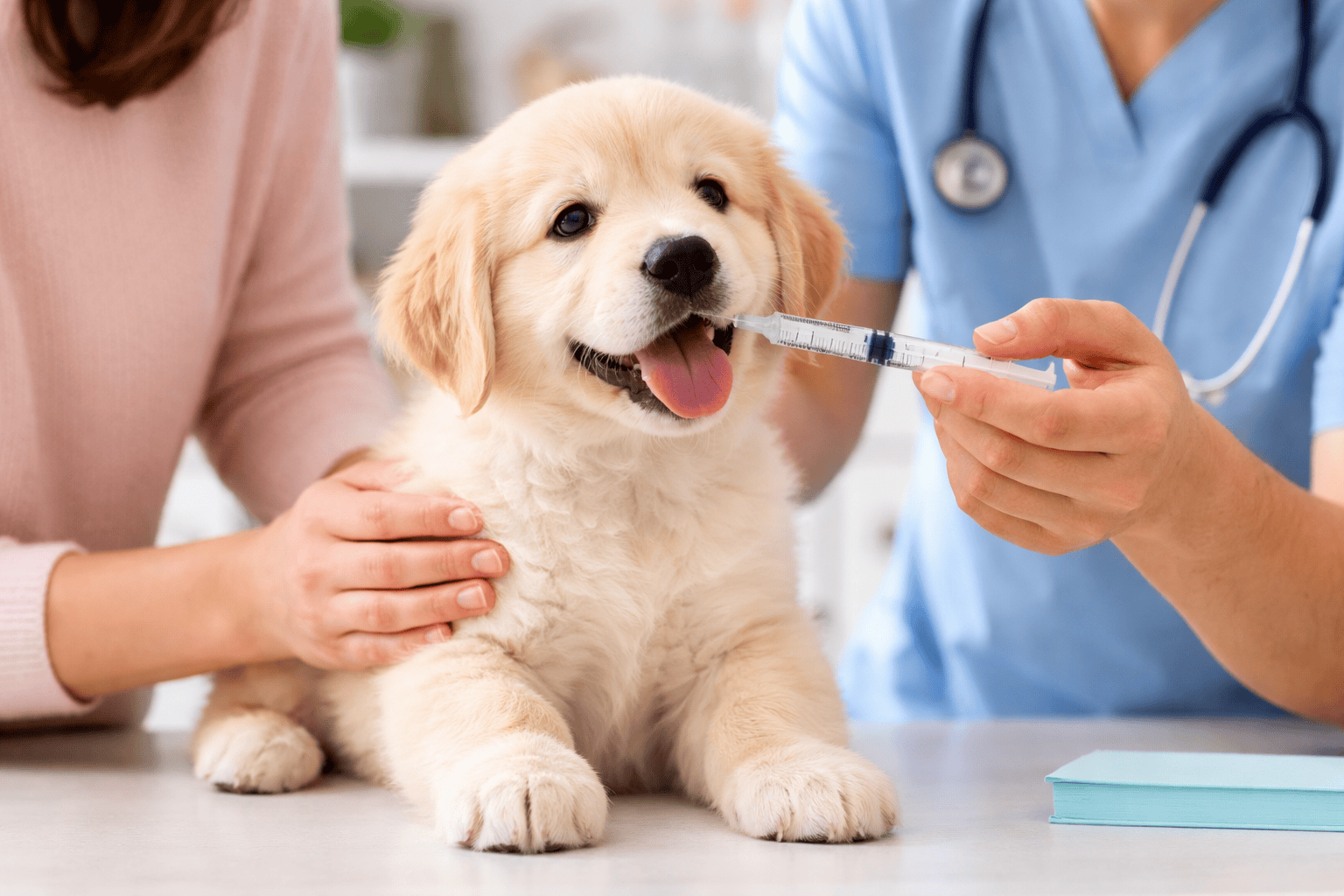

Introduction
Bringing home a new puppy is exciting, but it also comes with important responsibilities. One of the most essential steps in early pet care is deworming.
Puppies are highly vulnerable to internal parasites, which can affect their growth, energy, and overall health. Starting a proper deworming routine ensures your puppy gets a strong and healthy beginning.
Why Puppies Need Deworming
Puppies can easily get worms from:
- Their mother during birth or nursing
- Contaminated surroundings
- Infected food or water
Common worms like roundworms and hookworms can cause serious issues such as:
- Poor nutrient absorption
- Weak immunity
- Stunted growth
- Risk of infection spreading to humans
This is why deworming is not optional—it’s essential.
Signs Your Puppy May Have Worms
Early detection can make treatment much easier. Watch out for these symptoms:
- Bloated or swollen belly
- Worms visible in stool or vomit
- Diarrhea or vomiting
- Weight loss despite normal eating
- Low energy or lethargy
If you notice any of these signs, consult your veterinarian immediately.
How to Deworm Your Puppy Safely
Proper deworming involves more than just giving medicine.
Start Early
Begin deworming as early as 2 weeks of age.
Follow a Routine
Consistency is key to preventing reinfection.
Use Vet-Approved Medication
Always choose safe and recommended dewormers such as:
- Syrups
- Chewable tablets
Avoid self-medicating without professional advice.
Recommended Deworming Schedule for Puppies
Following a proper schedule ensures long-term protection:
- 2–12 weeks: Every 2 weeks
- 3–6 months: Once a month
- 6 months and above: Every 3 months
Sticking to this routine helps keep your puppy parasite-free.
Precautions During Deworming
To keep your puppy safe and comfortable:
- Use only vet-approved medications
- Monitor for mild side effects like loose stool or tiredness
- Maintain hygiene in your puppy’s surroundings
- Wash hands after handling your pet
These small steps go a long way in preventing reinfection.
Tips for New Puppy Owners
- Keep feeding and deworming schedules consistent
- Regular vet check-ups are essential
- Avoid exposing puppies to dirty or contaminated areas
- Maintain a clean living environment
Conclusion
Deworming plays a vital role in your puppy’s early development. A proper schedule, combined with good hygiene and veterinary guidance, ensures your furry friend grows up healthy and active.
As a new pet parent, staying consistent with deworming will protect your puppy from harmful parasites and give them the best possible start in life.
A healthy puppy is a happy puppy.