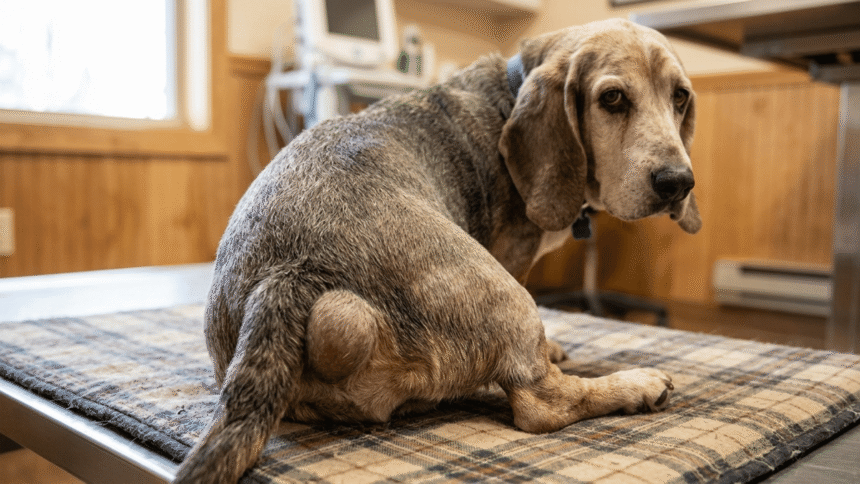
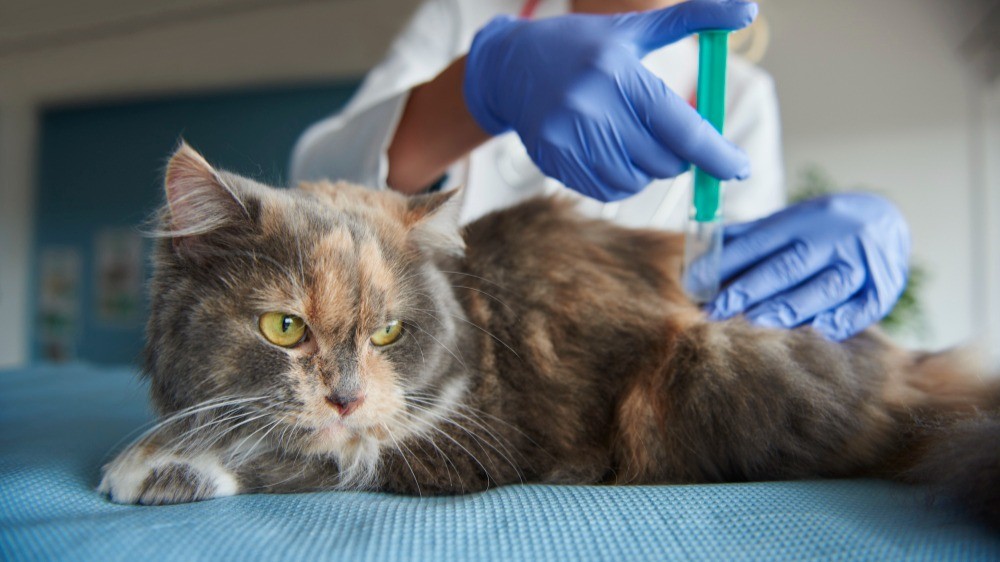

When your dog or cat isn’t feeling well, one of the first things your veterinarian will recommend is a blood test. And for good reason. A simple blood panel can reveal what the naked eye — and even physical examination — simply cannot. From hidden infections to organ damage and hormonal imbalances, blood work is one of the most powerful diagnostic tools in veterinary medicine today.
- Why Blood Tests Matter in Pet Healthcare
- 11 Conditions That Blood Panels Help Diagnose in Dogs and Cats
- 1. 🦠 Leptospirosis — The Bacterial Infection That Attacks Organs
- 2. 🍬 Xylitol Toxicity — When Sugar-Free Becomes Dangerous
- 3. 🐱 Hepatic Lipidosis in Cats — The Danger of Not Eating
- 4. 🩸 Nephrotic Syndrome — When the Kidneys Leak Protein
- 5. ⚗️ Addison’s Disease — A Hidden Hormonal Crisis
- 6. 🚨 Sepsis — When Infection Becomes a System-Wide Emergency
- 7. 🐈 Feline Leukaemia Virus (FeLV) — Anemia With a Viral Cause
- 8. 🐶 Cushing’s Disease — The Cortisol Overload in Dogs
- 9. 🦠 Feline Infectious Peritonitis (FIP) — A Once-Devastating Diagnosis
- 10. 💉 IMHA — When the Immune System Attacks Its Own Red Blood Cells
- 11. 🔀 Portosystemic Shunts — When Blood Bypasses the Liver
- What Should You Do If Your Pet Seems Unwell?
- Conclusion: Blood Tests Save Pet Lives — Don’t Underestimate Them
As a pet owner, understanding what these results mean can help you make faster, more informed decisions about your pet’s care. Here is a breakdown of 11 conditions that blood panels commonly help diagnose and manage in dogs and cats.
Why Blood Tests Matter in Pet Healthcare
Veterinarians don’t rely on blood panels just to confirm a suspicion — they use them to catch problems early, monitor ongoing conditions, and guide precise treatment decisions. Many serious illnesses in pets show no obvious outward symptoms until they have already progressed significantly. Blood work bridges that gap, giving vets the data they need to act quickly and accurately.
11 Conditions That Blood Panels Help Diagnose in Dogs and Cats
1. 🦠 Leptospirosis — The Bacterial Infection That Attacks Organs
Leptospirosis is a serious bacterial infection caused by Leptospira that targets the kidneys and liver. A blood panel in an infected dog or cat will typically show:
- Elevated BUN and creatinine — indicating kidney stress
- Raised ALT levels — pointing to liver involvement
- Low platelet counts — signalling potential bleeding risk
This combination of markers indicates significant organ damage and requires urgent treatment with antibiotics and intravenous fluids to prevent further deterioration.
2. 🍬 Xylitol Toxicity — When Sugar-Free Becomes Dangerous
Xylitol, the artificial sweetener found in sugar-free gum, candy, and some peanut butters, is extremely toxic to dogs. Even small amounts can trigger a dangerous drop in blood sugar along with a sharp rise in liver enzymes.
Blood tests will reveal:
- Dangerously low blood glucose levels
- Elevated liver enzyme readings
Emergency treatment involves the immediate administration of IV glucose to stabilise blood sugar and protect liver function.
3. 🐱 Hepatic Lipidosis in Cats — The Danger of Not Eating
Hepatic lipidosis, commonly known as fatty liver disease, is one of the most serious conditions seen in cats that stop eating — even for just a few days. The blood panel in these cases typically shows:
- Elevated ALP and ALT levels
- Normal or low GGT — which helps distinguish it from other liver conditions
Treatment requires aggressive nutritional support, often through a feeding tube, to help the liver clear the accumulated fat and begin healing.
4. 🩸 Nephrotic Syndrome — When the Kidneys Leak Protein
Nephrotic syndrome is a kidney disorder in which the body begins losing protein through the urine rather than retaining it. A blood test will reveal:
- Low albumin levels
- Elevated cholesterol
- Protein detected in urinalysis
Managing this condition involves medications that reduce protein loss through the kidneys, alongside dietary adjustments to support kidney health.
5. ⚗️ Addison’s Disease — A Hidden Hormonal Crisis
Addison’s disease is a hormonal condition in which the adrenal glands fail to produce adequate levels of essential hormones. It can be life-threatening if left undiagnosed. Blood work typically shows:
- High potassium levels
- Low sodium levels
This electrolyte imbalance is a strong diagnostic indicator. Management requires lifelong steroid supplementation to keep hormones balanced and the pet stable.
6. 🚨 Sepsis — When Infection Becomes a System-Wide Emergency
Sepsis occurs when a severe infection spreads through the bloodstream and begins affecting the entire body. One of the key blood panel findings in sepsis is a measurable gap between blood glucose levels and tissue glucose levels, reflecting the body’s inability to use energy efficiently.
This is a medical emergency requiring immediate hospitalisation, IV antibiotics, and aggressive fluid therapy.
7. 🐈 Feline Leukaemia Virus (FeLV) — Anemia With a Viral Cause
Cats infected with the Feline Leukaemia Virus (FeLV) often develop anaemia over time. Blood tests will show:
- Increased MCV (mean corpuscular volume)
- Decreased hematocrit — indicating a lower red blood cell percentage
There is no cure for FeLV, but supportive care aimed at strengthening the immune system can help improve quality of life and manage symptoms effectively.
8. 🐶 Cushing’s Disease — The Cortisol Overload in Dogs
Cushing’s disease, also known as hyperadrenocorticism, results from the body producing excessive amounts of cortisol. It is more common in middle-aged and older dogs. Blood panels typically show:
- Elevated ALP levels
- High cholesterol and platelet counts
- Decreased lymphocyte counts
Treatment is usually managed with trilostane or similar medications that help regulate cortisol production and reduce symptoms.
9. 🦠 Feline Infectious Peritonitis (FIP) — A Once-Devastating Diagnosis
FIP is a viral disease in cats that was historically considered fatal. Blood work associated with FIP typically reveals:
- A low albumin-to-globulin ratio
- Elevated bilirubin levels
The good news? The introduction of novel antiviral treatments in recent years has dramatically changed the outlook for cats diagnosed with FIP. Where there was once little hope, there is now a real path to recovery for many affected cats.
10. 💉 IMHA — When the Immune System Attacks Its Own Red Blood Cells
Immune-Mediated Haemolytic Anaemia (IMHA) is a condition where the body’s own immune system mistakenly destroys red blood cells. Key blood panel findings include:
- Very low hematocrit levels
- Raised bilirubin — due to the breakdown of destroyed red blood cells
Treatment involves a combination of immunosuppressive medications to stop the immune attack, along with blood transfusions in severe cases to restore healthy red blood cell levels.
11. 🔀 Portosystemic Shunts — When Blood Bypasses the Liver
A portosystemic shunt is an abnormal blood vessel that allows blood to bypass the liver, preventing it from being properly filtered. Blood tests typically show:
- Elevated bile acid levels
- Microcytic anaemia — unusually small red blood cells
In young dogs especially, this condition is surgically correctable, and early diagnosis through blood work significantly improves outcomes.
What Should You Do If Your Pet Seems Unwell?
It’s easy to dismiss symptoms like mild vomiting, low energy, or a slight change in appetite as nothing serious. But these subtle signs can sometimes point to conditions that only a blood panel can fully reveal.
Here’s what you can do as a responsible pet owner:
- Don’t wait for symptoms to worsen — early testing leads to better outcomes
- Schedule regular wellness blood panels for senior or at-risk pets
- Share all changes in behaviour or routine with your vet, no matter how small
- Follow through on treatment plans based on blood panel results
- Ask your vet to explain results in plain language so you fully understand your pet’s condition
Conclusion: Blood Tests Save Pet Lives — Don’t Underestimate Them
Blood panels are not just a routine formality — they are a window into your pet’s internal health that no physical exam can fully replace. From dangerous infections and organ damage to hormonal disorders and immune conditions, these 11 examples show just how much vital information a single blood test can provide.
Working closely with your veterinarian and staying proactive about diagnostic testing is one of the most meaningful things you can do for your pet’s long-term health, happiness, and quality of life.
Because when it comes to your furry family member — the earlier you know, the better the chances of a full recovery. 🐾