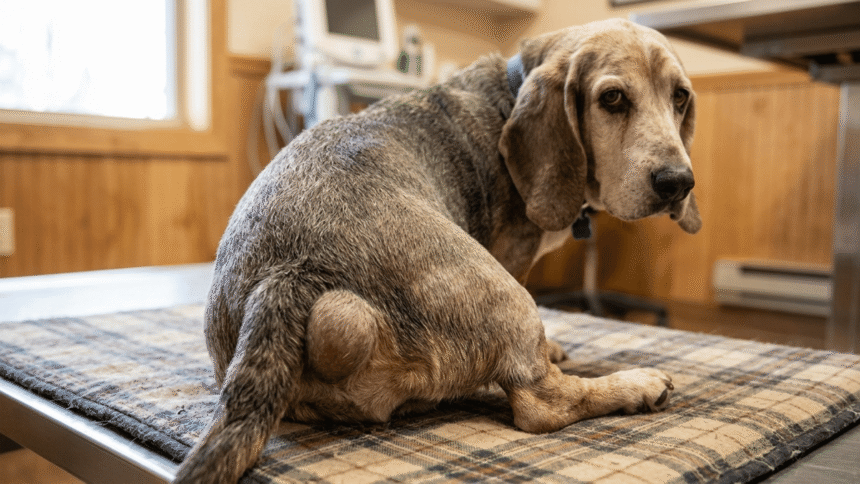
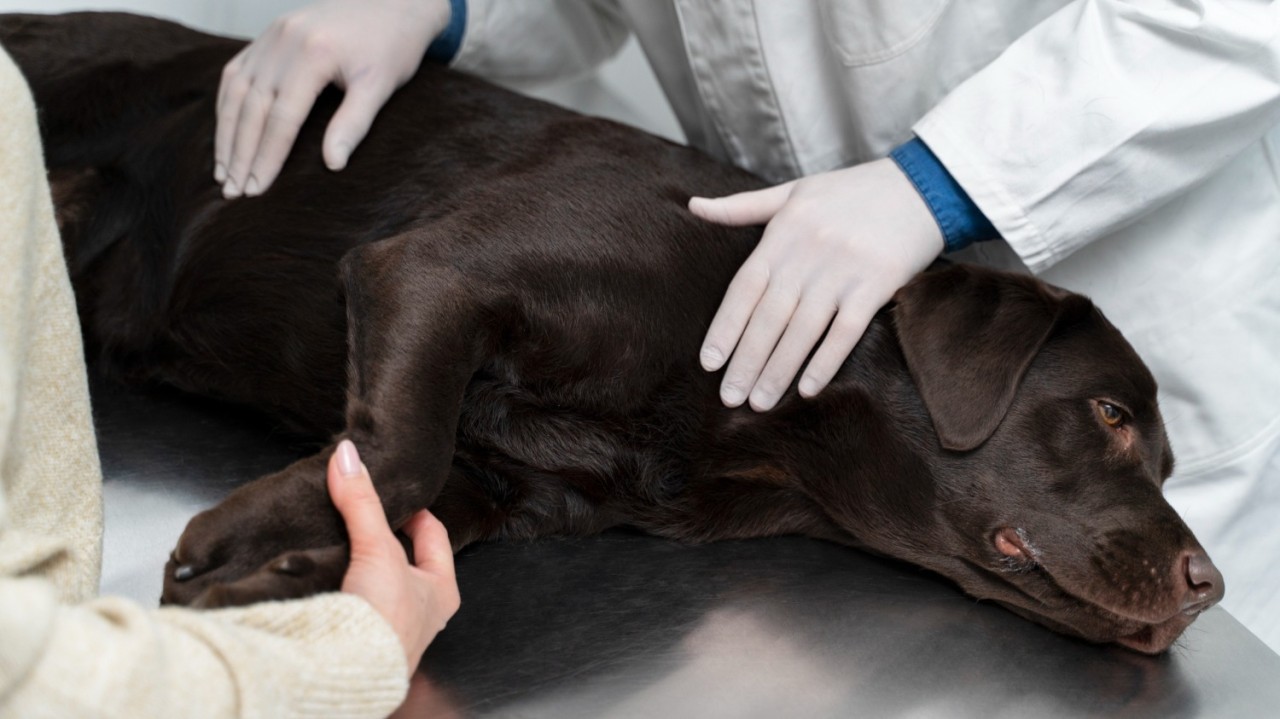

Watching your dog slow down, drink more water than usual, or lose interest in food can be deeply worrying. While these signs can point to many conditions, one of the most serious — and unfortunately one of the most common in older dogs — is Chronic Kidney Disease (CKD).
- What Do the Kidneys Actually Do — and Why Does It Matter?
- How Is CKD Managed in Dogs? A Look at the Key Treatments
- 💧 1. Fluid Therapy — Keeping the Body Hydrated and Balanced
- 🦠 2. Gastrointestinal Support — Protecting the Gut
- 🩸 3. Managing Anaemia — Addressing Fatigue and Weakness
- 🧪 4. Phosphate Binders — Preventing Dangerous Mineral Build-Up
- 💊 5. Blood Pressure Management — Slowing the Damage
- ⚡ 6. Potassium Supplementation — Restoring Muscle Strength
- The Right Diet for a Dog With Chronic Kidney Disease
- 🥩 Protein — Quality Over Quantity
- 🫙 Phosphorus — Keep It Low
- ⚡ Energy — High Fat for Sustained Nourishment
- 🧂 Sodium — Restricted but Not Eliminated
- 🐟 Omega-3 Fatty Acids — Natural Anti-Inflammatory Support
- 🧬 Vitamins and Antioxidants — Handle With Care
- 🌿 Probiotics, Prebiotics and Nutraceuticals
- ⚠️ Important: Introduce Dietary Changes Slowly
- Preventing CKD and Monitoring Kidney Health Proactively
- 🩺 Schedule Regular Veterinary Check-Ups
- 🚫 Avoid Nephrotoxic Substances
- 💧 Ensure Constant Access to Fresh Water
- 🦠 Treat Infections Promptly
- 👁️ Watch for Warning Signs at Home
- What Is the Prognosis for a Dog With CKD?
- Conclusion: Knowledge and Early Action Are Your Dog’s Best Protection
Also referred to as Chronic Renal Failure, CKD is a progressive condition in which the kidneys gradually lose their ability to function properly. In India, it is estimated to be responsible for approximately 40% of deaths in senior dogs — making it one of the most critical health concerns for ageing pets.
The good news is that with the right diagnosis, treatment plan, and dietary management, many dogs with CKD can continue to live comfortable and meaningful lives for months or even years after diagnosis.
Here is everything you need to know — explained simply and clearly.
What Do the Kidneys Actually Do — and Why Does It Matter?
The kidneys are among the most hardworking organs in your dog’s body. Every single day, they perform several vital functions:
- Filter waste products such as urea and creatinine from the bloodstream
- Regulate fluid levels and maintain healthy hydration
- Control blood pressure through hormone signalling
- Balance essential minerals like potassium, sodium, and phosphorus
- Produce erythropoietin, the hormone that tells the body to make red blood cells
When the kidneys begin to fail, none of these processes work properly — and the effects ripple across the entire body.
How Is CKD Managed in Dogs? A Look at the Key Treatments
There is no cure for Chronic Kidney Disease, but the condition can absolutely be managed. A combination of medical therapies and dietary strategies can significantly slow progression and improve your dog’s comfort and quality of life.
💧 1. Fluid Therapy — Keeping the Body Hydrated and Balanced
One of the first and most important steps in managing CKD is ensuring adequate hydration. Dogs with kidney disease often struggle to maintain proper fluid levels, which worsens kidney function over time.
Veterinarians typically use fluids such as Normosol M or Plasmalyte M, administered either subcutaneously (under the skin at home) or intravenously at the clinic. These particular fluids are preferred because they hydrate effectively without raising sodium levels — unlike Ringer’s Lactate, Normal Saline, or 5% Dextrose, which can cause complications in CKD patients.
Fluid therapy helps:
- Correct dehydration
- Restore electrolyte balance
- Support kidney filtration
- Manage high blood pressure associated with kidney disease
🦠 2. Gastrointestinal Support — Protecting the Gut
CKD produces a build-up of toxins in the bloodstream — a condition known as uraemia — which can cause significant damage to the gastrointestinal tract. Dogs may experience vomiting, nausea, loss of appetite, and painful oral ulcers as a result.
To manage these symptoms, vets may prescribe:
- Probiotics and prebiotics — to support healthy gut bacteria and reduce the amount of urea produced in the intestines
- Sucralfate — a protective coating medication that shields the stomach and intestinal lining from ulcers
- H2 blockers like famotidine — to reduce stomach acid and minimise acid-related irritation
These medications don’t treat the kidney disease itself, but they make your dog significantly more comfortable and improve appetite — which is essential for maintaining strength.
🩸 3. Managing Anaemia — Addressing Fatigue and Weakness
Because the kidneys play a key role in stimulating red blood cell production, CKD dogs frequently develop non-regenerative anaemia — a condition where the body simply isn’t producing enough red blood cells to keep up with demand.
Signs of anaemia in dogs include extreme lethargy, pale gums, and reduced exercise tolerance.
Treatment typically involves:
- Recombinant erythropoietin (e.g., darbepoetin) — an injectable medication that stimulates red blood cell production
- Iron supplements such as ferrous sulfate — to support the production process and ensure the body has the raw materials it needs
🧪 4. Phosphate Binders — Preventing Dangerous Mineral Build-Up
One of the most damaging consequences of kidney disease is the accumulation of phosphorus in the bloodstream. Healthy kidneys filter out excess phosphorus efficiently, but damaged kidneys cannot — and rising phosphorus levels cause a cascade of problems including bone disease, soft tissue calcification, and secondary hyperparathyroidism.
Oral phosphate binders such as aluminium hydroxide or calcium acetate work by binding to phosphorus in the food your dog eats, preventing it from being absorbed into the bloodstream.
This reduces the toxic load on the kidneys and protects bone and tissue health over time.
💊 5. Blood Pressure Management — Slowing the Damage
High blood pressure is both a cause and a consequence of chronic kidney disease, creating a vicious cycle that accelerates kidney damage if left uncontrolled.
ACE inhibitors such as enalapril are commonly prescribed to:
- Lower blood pressure to a safe and stable level
- Reduce the amount of protein leaking into the urine (proteinuria)
- Help slow the overall progression of kidney deterioration
It is important that blood pressure is confirmed to be elevated before starting this medication, as giving it to a dog with normal or low blood pressure could cause dangerous hypotension.
⚡ 6. Potassium Supplementation — Restoring Muscle Strength
Many dogs with CKD develop low potassium levels (hypokalemia) — a condition that causes muscle weakness, trembling, and general fatigue. Oral potassium supplements in the form of potassium gluconate or potassium citrate can correct this deficiency relatively quickly, with many dogs showing noticeable improvement within just five days.
Regular blood monitoring is essential to ensure levels stay within a healthy range and don’t swing too far in the other direction.
The Right Diet for a Dog With Chronic Kidney Disease
Alongside medical treatment, diet is one of the most powerful tools available for managing CKD in dogs. The goal of a renal diet is to reduce the workload placed on the already-struggling kidneys while still providing your dog with the energy and nutrients needed to stay strong.
🥩 Protein — Quality Over Quantity
Dogs with CKD still need protein — but the wrong kind of protein puts excessive strain on the kidneys. The focus should be on high-quality, highly digestible protein sources such as egg or chicken.
These proteins meet your dog’s amino acid requirements while producing less metabolic waste in the form of urea and creatinine. A careful balance must be struck: too little protein leads to muscle wasting, while too much accelerates kidney damage.
🫙 Phosphorus — Keep It Low
Low phosphorus intake is one of the most critical components of a renal diet. Reducing dietary phosphorus — or pairing a moderate-phosphorus diet with phosphate binders — helps prevent the dangerous mineral accumulation discussed earlier.
Commercially available renal prescription diets such as Hill’s Prescription Diet k/d and Royal Canin Renal Support are formulated with this balance in mind.
⚡ Energy — High Fat for Sustained Nourishment
CKD dogs often have reduced appetites, yet their bodies still need adequate energy to function. Higher fat content in the diet is one way to deliver more calories in a smaller volume of food — fat provides roughly twice the energy per gram compared to protein or carbohydrates.
This helps maintain healthy body weight and muscle mass even when appetite is reduced.
🧂 Sodium — Restricted but Not Eliminated
Sodium restriction helps manage blood pressure and fluid retention in CKD dogs. However, sodium should not be eliminated entirely, as deficiency brings its own risks. The goal is a moderate, controlled intake — monitored regularly through blood and urine testing.
🐟 Omega-3 Fatty Acids — Natural Anti-Inflammatory Support
A high ratio of omega-3 to omega-6 fatty acids in the diet has been shown to reduce kidney inflammation and support overall renal function. Fish oil supplements or diets naturally enriched with omega-3s are a beneficial addition to a CKD management plan.
🧬 Vitamins and Antioxidants — Handle With Care
- Vitamin A should be restricted in CKD dogs, as it accumulates to toxic levels when the kidneys cannot process it normally
- Vitamin E may offer some protective benefit
- Other antioxidants should only be added under veterinary supervision to avoid triggering oxidative stress
🌿 Probiotics, Prebiotics and Nutraceuticals
Gut health plays a surprisingly important role in CKD management. Probiotics and prebiotics help:
- Support a healthy balance of intestinal bacteria
- Reduce the amount of urea produced in the gut
- Lower circulating blood urea levels
- Improve appetite and reduce nausea
Some herbal nutraceuticals containing compounds like silymarin (milk thistle extract) are also showing early promise in supporting kidney function — but always consult your vet before adding any supplement to your dog’s routine.
⚠️ Important: Introduce Dietary Changes Slowly
Switching your dog to a renal diet must be done gradually over 7 to 10 days to avoid food refusal. CKD often causes a metallic or unpleasant taste in the mouth due to uraemia, which can make dogs reluctant to eat new foods. Anti-nausea medications like maropitant and treatment for oral ulcers can make the transition much easier.
Preventing CKD and Monitoring Kidney Health Proactively
While not all cases of Chronic Kidney Disease can be prevented, there are meaningful steps you can take to protect your dog’s kidney health and catch problems as early as possible.
🩺 Schedule Regular Veterinary Check-Ups
For senior dogs and high-risk breeds, annual or twice-yearly blood panels — including SDMA and creatinine levels — along with urinalysis and blood pressure checks, can detect early kidney changes before symptoms appear. Early diagnosis dramatically improves outcomes.
🚫 Avoid Nephrotoxic Substances
Keep your dog away from substances known to damage the kidneys, including:
- Antifreeze (ethylene glycol) — extremely toxic even in tiny amounts
- Certain medications like ibuprofen or other NSAIDs designed for humans
- Toxic plants that can cause acute kidney injury
💧 Ensure Constant Access to Fresh Water
Proper hydration is one of the simplest and most effective ways to support kidney function. Always keep fresh, clean water available — and consider a pet water fountain if your dog doesn’t drink enough from a standard bowl.
🦠 Treat Infections Promptly
Conditions like Leptospirosis and certain tick-borne diseases can damage the kidneys acutely, and if not treated in time, this acute damage can progress to chronic disease. Vaccinations, tick prevention, and prompt veterinary attention for unexplained illness all help protect kidney health.
👁️ Watch for Warning Signs at Home
As a pet parent, you are your dog’s first line of defence. Keep an eye out for:
- Increased thirst and urination
- Loss of appetite or unexplained weight loss
- Vomiting or nausea
- Unusual fatigue or reluctance to exercise
- Bad breath with a chemical or ammonia-like smell
If you notice any of these changes, consult your veterinarian promptly — don’t wait to see if they resolve on their own.
What Is the Prognosis for a Dog With CKD?
A CKD diagnosis can feel devastating — but it is important to know that it is not an immediate death sentence. Many dogs with chronic kidney disease live comfortably for months to years after diagnosis, particularly when the condition is caught early and managed well.
Remarkably, dogs can maintain an acceptable quality of life even when only 5 to 8% of their kidney tissue is functioning normally — a testament to the kidney’s remarkable adaptability and the power of good veterinary and nutritional care.
- Early-stage CKD (Stages 1–2): Best outcomes with proactive management
- Advanced-stage CKD (Stages 3–4): More intensive support needed, but comfort and quality of life can still be maintained
The most important factors influencing prognosis are the stage at the time of diagnosis, the underlying cause, and how well the dog responds to treatment.
Conclusion: Knowledge and Early Action Are Your Dog’s Best Protection
Chronic Kidney Disease in dogs is serious — but it is also manageable. With the right combination of medical treatment, carefully planned nutrition, and attentive home care, your dog can continue to enjoy a good quality of life even with this diagnosis.
The most powerful thing you can do as a pet owner is stay informed, stay observant, and stay proactive. Don’t wait for symptoms to become severe before visiting the vet. Regular check-ups, early testing, and open communication with your veterinary team can make all the difference.
Your dog depends on you — and with the right knowledge and care plan, you can be exactly the advocate they need. 🐾
For more expert pet health guides, veterinary insights, and care tips for dog and cat parents across India, keep following our blog.