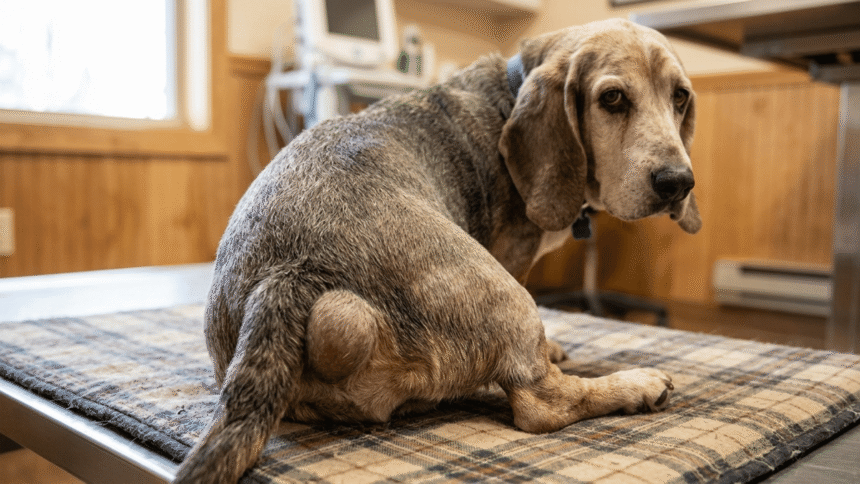
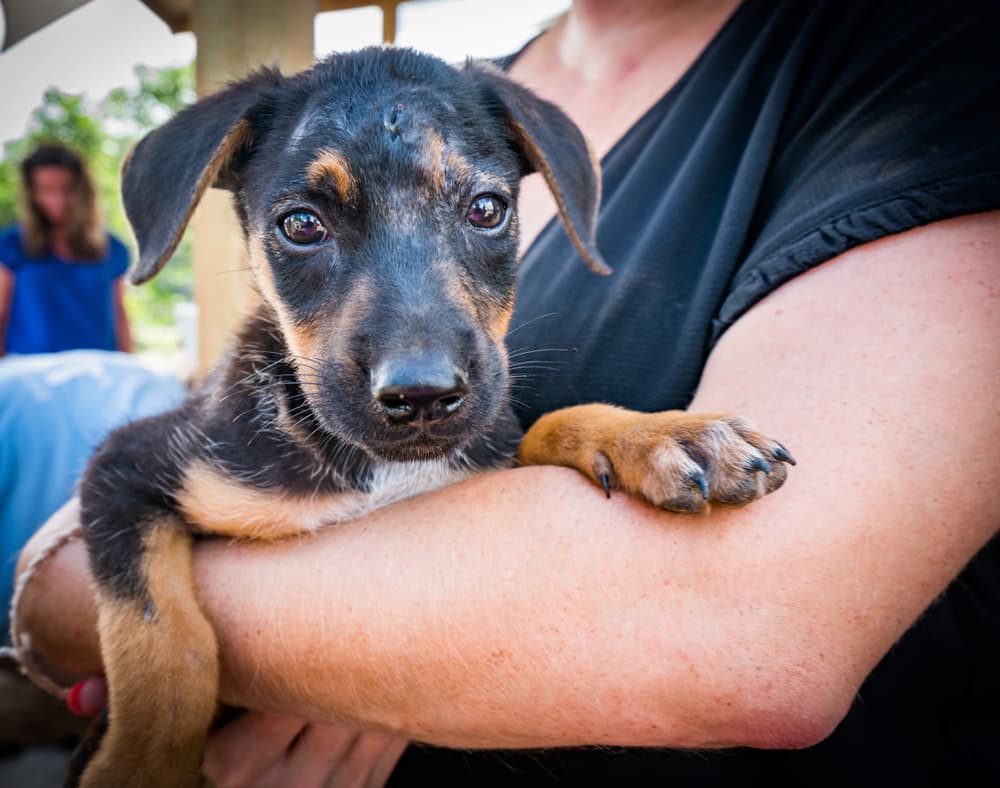

Potcake dogs are mixed-breed dogs from Caribbean islands like the Bahamas and Turks and Caicos. Their name comes from the hardened food scraped from cooking pots — historically fed to these street dogs by locals. Shaped entirely by survival and natural selection, potcakes are resilient, intelligent, and truly one-of-a-kind companions.
What Do Potcake Dogs Look Like?
- Short, low-maintenance coat
- Lean, athletic build with long legs
- Ears — upright or floppy depending on the individual
- Colours — tan, black, white, brindle, or mixed
What stands out most is not their appearance — it is their sharp, watchful awareness. These are dogs that learned to read their environment carefully.
Personality and Temperament
Potcakes are independent, cautious, and deeply intelligent. They are not instantly affectionate — but that is not aloofness. It is simply caution. They need to know trust is safe before giving it freely.
Once that trust is earned? They are incredibly loyal and emotionally intuitive — many owners say their potcake reads the room better than any dog they have owned.
Training Tips
Potcakes do not respond to harsh or forceful training. What works:
- ✅ Positive reinforcement with treats and praise
- ✅ Short, consistent daily sessions
- ✅ A calm, predictable routine
- ✅ Patience — progress takes time but lasts
Food Guarding
Some potcakes guard food — not from aggression but from survival instinct. Instead of punishing it, add high-value treats to their bowl while they eat. Over time they associate your presence with good things and the behaviour fades naturally.
Health and Resilience
Potcakes evolved through natural selection — making them generally healthier than many purebreds with fewer inherited genetic conditions.
However, rescued potcakes may arrive with:
- Intestinal parasites
- Skin infections
- Malnutrition or low body weight
The good news? They recover remarkably fast with basic veterinary care and proper nutrition.
Socialisation
Potcakes can be warm and friendly — but on their own timeline. Tips for smooth socialisation:
- Introduce new people one at a time in calm settings
- Let them approach strangers on their own terms
- Use treats to build positive associations
- Enrol in a positive reinforcement training class
Basic Daily Care
| Care Area | What to Do |
|---|---|
| Exercise | Two walks daily minimum |
| Diet | High-quality balanced food |
| Grooming | Weekly brush — low maintenance |
| Vet Care | Parasite screening, vaccinations, full check-up on adoption |
Is a Potcake Right for You?
Great fit if you:
- ✅ Appreciate canine independence
- ✅ Have patience for gradual trust-building
- ✅ Prefer positive, reward-based training
May be challenging if you:
- ⚠️ Want an instantly cuddly, eager-to-please dog
- ⚠️ Are a first-time owner expecting predictable behaviour
Conclusion
Potcakes were shaped by survival — and it shows in their strength, resilience, and quiet loyalty. They are not the easiest dogs on day one. But for patient owners who invest in the relationship, the bond that forms is extraordinary. 🐾
Follow our blog for more pet care guides and rescue stories from across India.