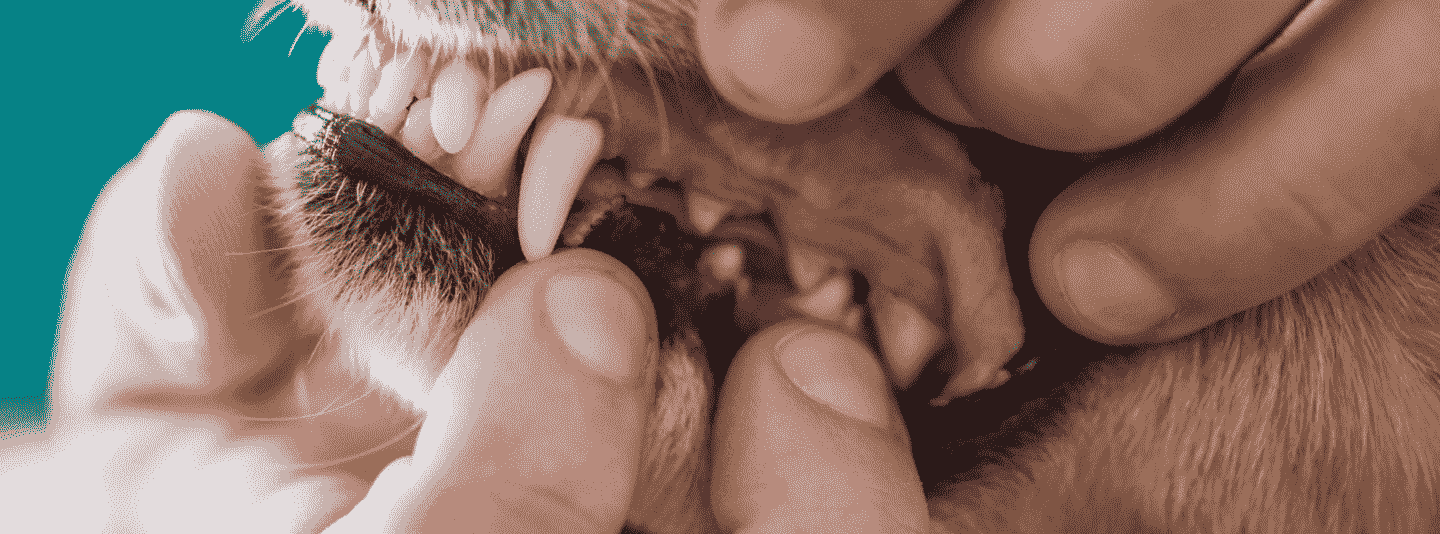

That yellow coating on your dog’s teeth is not just bad to look at — it leads to gum disease, tooth loss, and serious health problems if ignored. The good news? It is completely manageable with the right routine.
Why Dog Dental Health Matters
Plaque forms within hours of eating. Left alone, it hardens into tartar — which a toothbrush alone cannot remove. This leads to inflamed gums, foul breath, and eventually periodontal disease — the most common health issue in adult dogs.
Step 1 — Get a Professional Cleaning First
If your dog already has visible yellow or brown deposits, start here. Vets use ultrasonic scalers to safely remove hardened tartar — something no home tool can do effectively.
⚠️ Never try to scrape tartar at home. It damages gums and makes dogs resistant to future dental care.
Signs your dog needs professional cleaning:
- Yellow or brown deposits on teeth
- Red or bleeding gums
- Persistent bad breath
- Reluctance to eat hard food
Step 2 — Brush Daily at Home
Daily brushing is the most effective way to stop plaque from returning.
What you need:
- Soft-bristled dog toothbrush
- Enzymatic dog toothpaste — never human toothpaste (it is toxic if swallowed)
For resistant dogs — go slow:
- Week 1: Let them lick toothpaste from your finger
- Week 2: Use a silicone finger brush
- Week 3: Introduce the actual toothbrush
- Week 4+: Full 2-minute brushing routine
Step 3 — Add Dental Chews and Wipes
- Dental wipes — great for dogs who resist brushing
- Dental chews — look for the VOHC seal of approval
- Chew toys with ridged surfaces help clean back molars naturally
❌ Avoid hard bones and antlers — they can fracture teeth
Step 4 — Support With Diet and Water Additives
- Dry kibble has a mild abrasive effect compared to wet food
- Vet-approved water additives reduce bacteria with zero effort — just add to the water bowl daily
Warning Signs to Watch For
| Stage | Signs |
|---|---|
| 🟡 Early | Yellow deposits, mild bad breath |
| 🟠 Moderate | Dark tartar, swollen gums, foul breath |
| 🔴 Urgent | Loose teeth, facial swelling, won’t eat |
Conclusion
Good dog dental care comes down to three things — a professional clean, daily brushing, and the right supplements. A few minutes each day protects your dog from painful, costly dental disease and keeps them healthier for longer. 🐾
Follow our blog for more simple, expert pet care guides from across India.