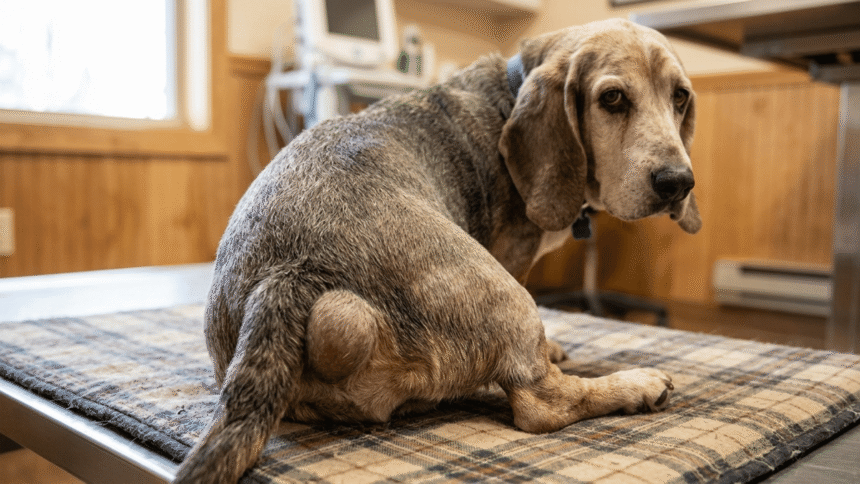


Deciding whether to neuter your male dog is one of the most significant health decisions you will make as a pet owner. It is a topic that comes with strong opinions, evolving research, and plenty of questions — and the answers are rarely as simple as a straightforward yes or no.
- Methods of Neutering in Dogs — Surgical and Non-Surgical Options
- When Is the Right Time to Neuter Your Dog?
- 🐶 General Recommendation
- 🐕 Large and Giant Breeds — Consider Waiting
- 🐩 Smaller Breeds — Earlier Is Often Fine
- ⚠️ The Risks of Neutering Too Early
- 🔬 The Castration Trial Approach
- The Benefits of Neutering Your Dog
- 🏥 Health Benefits
- Elimination of Testicular Cancer
- Reduced Risk of Prostate and Perianal Conditions
- Improved Long-Term Wellbeing
- 🐕 Behavioural Benefits
- 🌍 Population Control — A Responsibility That Matters in India
- The Risks of Neutering — What Every Dog Owner Should Know
- ⚠️ Health Risks
- Increased Risk of Certain Cancers
- Urinary Incontinence
- Joint and Orthopaedic Problems
- Weight Gain and Metabolic Changes
- Prostate Cancer
- 🧠 Behavioural Risks
- How to Minimise the Risks After Neutering
- 🥗 Adjust the Diet and Maintain a Healthy Weight
- 🩺 Schedule Regular Veterinary Check-Ups
- 🐾 Provide Behavioural Support if Needed
- 🔬 Consider a Trial Before Committing to Surgery
- Ethical and Practical Considerations
- Conclusion: Neutering Is a Thoughtful Decision — Not a Routine One
Neutering, medically referred to as castration or orchiectomy, involves removing a male dog’s testicles to prevent reproduction and reduce the influence of testosterone on his body and behaviour. While it is widely endorsed by animal welfare organisations as a critical tool for managing dog overpopulation, the decision for individual pet dogs requires a much more nuanced and personalised approach.
This comprehensive guide walks you through every aspect of neutering — the available methods, the right timing, the genuine benefits, the real risks, and how to make the most informed decision for your specific dog.
Methods of Neutering in Dogs — Surgical and Non-Surgical Options
Not all neutering procedures are the same. Depending on your dog’s size, age, health, and your personal preferences, your veterinarian may discuss several different approaches.
🔪 Surgical Neutering (Orchiectomy)
Surgical castration remains the most widely performed and definitively effective method. It involves the permanent removal of both testicles under general anaesthesia, eliminating the dog’s ability to reproduce and significantly reducing testosterone production.
There are three main surgical techniques:
1. Scrotal Approach
The most traditional method, where an incision is made directly on the scrotum to access and remove the testicles. It is straightforward and widely practised across veterinary clinics.
2. Prescrotal Approach
The incision is placed just in front of the scrotum rather than directly on it. Many surgeons prefer this technique as it tends to result in less post-operative swelling and a slightly faster recovery.
3. Laparoscopic (Keyhole) Approach
A minimally invasive option using a small camera and instruments inserted through tiny incisions. This technique reduces tissue trauma, lowers post-operative discomfort, and allows for better surgical visualisation. It is particularly well-suited for larger breeds or cases that require more precision, though it requires specialist equipment and training.
Recovery: Most dogs recover fully within 7 to 10 days. During this period, physical activity should be restricted to prevent wound complications. A buster collar (cone) helps prevent the dog from licking or interfering with the incision. Rare risks include wound infection, swelling, or anaesthesia complications — all of which are minimised with an experienced veterinary team.
💉 Non-Surgical Neutering Options
For owners who are hesitant about surgery or are operating in large-scale population control settings, non-surgical alternatives exist. These methods are less common for individual pet dogs but serve important purposes in specific contexts.
Chemical Castration (Intratesticular Injections)
Substances such as zinc gluconate or chlorhexidine digluconate are injected directly into the testicles, causing sterility by destroying sperm-producing cells. This approach:
- Does not require general anaesthesia
- Is useful in mass sterilisation programs for stray populations
- Can cause local reactions such as inflammation or minor ulceration
- Does not significantly reduce testosterone levels, meaning it has limited impact on testosterone-driven behaviours
GnRH Agonist Implants (Deslorelin)
A small hormonal implant — such as deslorelin — is placed under the skin to suppress testosterone production. Available in 6-month and 12-month durations, this approach:
- Provides reversible suppression of fertility and testosterone
- Is ideal for owners who want to observe how their dog responds to reduced testosterone before committing to permanent surgery
- Acts as a useful castration trial to assess behavioural or health changes
- Fertility and hormone levels gradually return after the implant expires
Vasectomy
A vasectomy cuts the vas deferens — the tube that carries sperm — preventing fertilisation without affecting testosterone levels. It renders the dog infertile but leaves his hormonal profile and behaviour largely unchanged. It is rarely used for pet dogs but may be considered in specific scenarios such as maintaining social dynamics in closed multi-dog populations.
Key Point: Non-surgical methods are generally less suitable for pet dogs where both sterilisation and behavioural modification are goals. Surgical castration remains the gold standard for permanent, comprehensive results.
When Is the Right Time to Neuter Your Dog?
Timing is one of the most debated aspects of neutering — and for good reason. Research continues to evolve, and the right answer depends heavily on your dog’s breed, size, and individual circumstances.
🐶 General Recommendation
Most veterinary guidelines suggest neutering between 5 and 9 months of age — after sexual maturity has been reached, but before deeply ingrained hormone-driven behaviours become established.
🐕 Large and Giant Breeds — Consider Waiting
For larger breeds — such as Labrador Retrievers, German Shepherds, Golden Retrievers, Rottweilers, and giant breeds — delaying neutering until after 12 months is increasingly recommended. This is because testosterone plays an important role in musculoskeletal development, and early neutering in these breeds has been linked to higher rates of joint disorders such as hip dysplasia and cruciate ligament injuries.
🐩 Smaller Breeds — Earlier Is Often Fine
Smaller breeds with a lighter body weight generally tolerate earlier neutering — around 5 to 6 months — with fewer long-term orthopaedic concerns.
⚠️ The Risks of Neutering Too Early
Prepubertal castration (before 6 months of age) carries specific risks:
- Increased likelihood of joint development problems
- Higher rates of urinary incontinence, particularly in larger breeds
- Potential for certain behavioural complications
- These risks must be carefully weighed against the benefits of early intervention
🔬 The Castration Trial Approach
For dogs with behavioural issues, the World Small Animal Veterinary Association (WSAVA) recommends using a GnRH agonist implant as a reversible trial before permanent surgery. This allows owners and vets to observe how the dog’s behaviour responds to reduced testosterone — and make a more informed decision about whether surgical castration is likely to achieve the desired outcome.
The Benefits of Neutering Your Dog
When performed at the right time and for the right reasons, neutering offers meaningful benefits across health, behaviour, and broader societal impact.
🏥 Health Benefits
Elimination of Testicular Cancer
While testicular cancer is relatively uncommon, it is entirely preventable through castration. Removing the testicles eliminates the risk completely — and unlike many cancers, this one requires no monitoring, treatment, or anxiety once the procedure is done.
Reduced Risk of Prostate and Perianal Conditions
Testosterone drives several uncomfortable and sometimes serious conditions in older male dogs:
- Benign prostatic hyperplasia (BPH) — enlargement of the prostate that can cause difficulty urinating and defecating
- Prostatitis — bacterial infection of the prostate
- Perianal gland adenomas — benign tumours around the anus
- Perianal hernias — weakening of the muscles around the anus
Castration significantly reduces the risk of all these conditions by eliminating the hormonal driver behind them.
Improved Long-Term Wellbeing
By removing the source of several hormone-dependent diseases, neutering can contribute to a healthier, more comfortable life in a dog’s middle and senior years.
🐕 Behavioural Benefits
A well-cited Polish research study examining the reasons and outcomes of canine castration found that 39% of owners opted for neutering primarily due to unwanted behaviours. Post-castration results showed significant reductions in:
| Behaviour | Before Castration | After Castration |
|---|---|---|
| Roaming | 26.68% | 10.61% |
| Mounting | 55.44% | 27.46% |
| Urine Marking | 52.59% | 38.86% |
| Aggression toward dogs | 20.98% | 13.99% |
| Aggression toward animals | 16.06% | 10.62% |
These figures demonstrate that neutering can be genuinely effective in reducing testosterone-driven behaviours — but results are not guaranteed for every dog, and pre-existing learnt behaviours may persist regardless of hormonal changes.
Reduced testosterone also generally makes dogs more calm and easier to socialise with other animals and people.
Important Caveat: Aggression toward humans showed no significant change post-castration in this study. If aggression toward people is a primary concern, neutering alone is unlikely to resolve it — professional behavioural intervention is essential.
🌍 Population Control — A Responsibility That Matters in India
India has one of the largest stray dog populations in the world, and irresponsible breeding by pet owners contributes to this problem every year. Neutering your dog directly reduces the risk of unplanned litters — litters that may end up on the street or in already-overwhelmed shelters.
Responsible neutering is not just a personal health decision. It is a meaningful act of social responsibility.
The Risks of Neutering — What Every Dog Owner Should Know
Neutering is not a risk-free procedure, and responsible decision-making means understanding the potential downsides as clearly as the benefits.
⚠️ Health Risks
Increased Risk of Certain Cancers
Research has identified associations between castration and higher rates of several cancers in dogs, including:
- Mast cell tumours
- Transitional cell carcinomas (bladder cancer)
- Osteosarcoma (bone cancer) — particularly in dogs neutered before 12 months
- Lymphoma
- Haemangiosarcoma
These risks are particularly relevant for large and giant breeds neutered at a young age. This is one of the key reasons why timing is so critically important.
Urinary Incontinence
Up to 20% of female dogs and a smaller proportion of male dogs may develop urinary incontinence after neutering — with higher rates seen in larger breeds and those neutered before puberty. This manifests as involuntary urine leakage, often during sleep.
Joint and Orthopaedic Problems
Early neutering removes the influence of sex hormones on bone and joint development. In larger breeds especially, this can lead to:
- Increased rates of hip and elbow dysplasia
- Higher risk of cruciate ligament rupture
- Delayed closure of growth plates leading to abnormal bone proportions
Weight Gain and Metabolic Changes
Castration lowers a dog’s baseline metabolic rate and may increase appetite. Without dietary adjustment, this can lead to significant weight gain — which in turn increases the risk of:
- Diabetes mellitus
- Joint strain and arthritis
- Heart disease
Additionally, neutering has been associated with higher rates of hypothyroidism and Cushing’s disease (hyperadrenocorticism) — conditions linked to hormonal disruption and elevated luteinising hormone (LH) levels following the removal of gonadal steroids.
Prostate Cancer
A common misconception is that neutering protects against prostate cancer. In reality, it does not — and some research suggests it may slightly increase the risk, though prostate cancer remains rare in dogs overall (below 1% of all cases).
🧠 Behavioural Risks
While neutering reduces many undesirable testosterone-driven behaviours, it does not universally improve behaviour — and in some cases, it may make certain issues worse.
The Polish study mentioned earlier also recorded these post-castration increases:
- Fear of unfamiliar dogs and humans: increased from 13.47% to 18.65%
- Sound phobias (noise sensitivity): increased from 10.62% to 17.10%
These findings suggest that some dogs — particularly those with existing anxiety tendencies — may become more fearful after neutering. This is thought to be related to the loss of testosterone, which has some anxiety-buffering properties.
Prepubertal castration has also been associated with increased aggression and other behavioural complications in a subset of dogs.
How to Minimise the Risks After Neutering
Understanding the risks is the first step. Managing them proactively is the next.
🥗 Adjust the Diet and Maintain a Healthy Weight
Neutered dogs need fewer calories than intact dogs of the same size and activity level. Work with your vet to adjust portion sizes appropriately after the procedure. Regular daily exercise is equally important for maintaining a healthy weight and supporting joint health.
🩺 Schedule Regular Veterinary Check-Ups
Routine health monitoring allows early detection of:
- Urinary incontinence
- Joint deterioration
- Endocrine disorders like hypothyroidism or Cushing’s disease
- Any early signs of cancer
Early intervention consistently leads to better outcomes.
🐾 Provide Behavioural Support if Needed
If your dog develops increased anxiety, fearfulness, or other behavioural changes after neutering, do not dismiss these as inevitable. Positive reinforcement training, environmental enrichment, and consultation with a certified veterinary behaviourist can make a significant difference.
🔬 Consider a Trial Before Committing to Surgery
If you are uncertain whether neutering will produce the behavioural changes you are hoping for, using a GnRH agonist implant first allows you to observe the effects of reduced testosterone on your specific dog — without the permanence of surgery.
Ethical and Practical Considerations
The WSAVA and leading veterinary bodies consistently emphasise that neutering decisions should be individualised — not based on a one-size-fits-all approach.
Key considerations include:
- The dog’s environment: An intact dog in a multi-dog household presents different risks than a single pet dog in a managed environment
- The owner’s capacity for responsible management: Owners who can reliably prevent unintended breeding and monitor for health changes may have more flexibility in their decision
- Societal context: In India, where both pet and stray dog overpopulation is a genuine public health concern, the case for neutering responsible pet dogs is strong
- The dog’s breed and size: Large breeds require particularly careful timing decisions
- Alternative sterilisation options: For owners who want to prevent reproduction without permanent hormonal changes, vasectomy or GnRH implants may be worth discussing
Trap-Neuter-Return (TNR) programs for stray populations are also increasingly used in Indian cities as a humane alternative to culling, though their long-term effectiveness varies based on local implementation and coverage.
Conclusion: Neutering Is a Thoughtful Decision — Not a Routine One
Neutering your dog can be one of the most beneficial health decisions you make — or it can come with unnecessary risks if done at the wrong time or for the wrong reasons. The truth, as with most things in veterinary medicine, lies in the nuance.
The benefits are real: testicular cancer prevention, reduced prostate disease, decreased roaming and mounting, lower aggression in many cases, and a meaningful contribution to reducing dog overpopulation.
The risks are also real: potential for certain cancers, joint problems in large breeds, weight gain, and increased anxiety in some dogs.
The solution is a personalised, evidence-based conversation with your veterinarian — one that takes into account your dog’s breed, size, age, temperament, and your own lifestyle and capacity as an owner.
There is no universally right or wrong answer. But with the right information and the right veterinary guidance, you can make a decision that genuinely serves your dog’s best interests for the long term. 🐾
For more expert guides on canine health, responsible pet ownership, and veterinary care insights across India, keep following our blog.