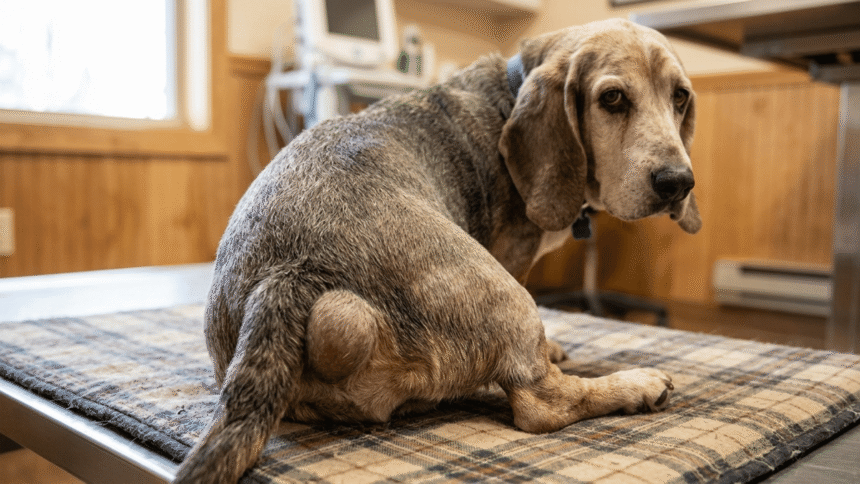


If you are a dog parent who has ever dealt with the challenges of your female dog’s heat cycle — the bleeding, the restlessness, the constant attention from male dogs in the neighbourhood — you have probably wondered whether spaying is the right choice.
- What Is Sterilization in Female Dogs — and Why Does It Matter?
- Method 1: Ovariohysterectomy (OVH) — The Standard Spay
- Method 2: Hysterectomy — The Ovary-Sparing Spay
- What Is a Hysterectomy in Dogs?
- ✅ Benefits of Hysterectomy
- ⚠️ Risks and Considerations
- When Is a Hysterectomy Recommended?
- Method 3: Ovariectomy (OVE) — Ovary Removal Only
- Comparing All Three Sterilization Methods at a Glance
- When Is the Right Time to Spay Your Dog?
- Pre- and Post-Operative Care: What Every Pet Owner Should Know
- Key Reasons to Consider Spaying Your Dog
- Conclusion: Making the Right Choice for Your Female Dog
The short answer for most pet owners is yes. But the longer, more helpful answer involves understanding exactly what spaying means, what your options are, and how to make the best decision for your specific dog.
This guide breaks down everything you need to know about Ovariohysterectomy (OVH) — commonly known as spaying — along with two important alternatives, in simple language that every pet owner can understand.
What Is Sterilization in Female Dogs — and Why Does It Matter?
Sterilization is the process of surgically preventing a female dog from being able to reproduce. Beyond population control, it offers meaningful health and behavioural benefits that make it one of the most commonly recommended procedures in veterinary practice.
In countries like India, where stray dog populations present ongoing public health challenges — including the spread of diseases like rabies — responsible sterilization of pet dogs also plays an important role in community welfare.
There are three main surgical methods your veterinarian may discuss with you:
- Ovariohysterectomy (OVH) — removal of both ovaries and the uterus
- Hysterectomy (Ovary-Sparing Spay) — removal of the uterus only
- Ovariectomy (OVE) — removal of the ovaries only
Each approach has its own set of benefits, risks, and ideal use cases. Let’s explore each one.
Method 1: Ovariohysterectomy (OVH) — The Standard Spay
What Is OVH?
OVH is the most widely performed sterilization procedure in female dogs worldwide. It involves the surgical removal of both the ovaries and the entire uterus, completely eliminating the reproductive system and stopping heat cycles permanently.
The procedure is performed under general anaesthesia. The dog is positioned on her back and the surgical area is carefully prepared. The surgeon makes an incision below the navel to access the abdominal cavity, locates both uterine horns, carefully detaches and ties off the ovarian blood vessels, and removes the ovaries along with the entire uterus before closing the incision in layers.
A laparoscopic (keyhole) version of OVH is also available, using two to three tiny incisions instead of one larger cut. This minimally invasive approach results in less tissue trauma, reduced post-operative discomfort, and a faster recovery time.
✅ Benefits of OVH
- Eliminates heat cycles completely — no more bleeding, no more attracting male dogs
- Dramatically reduces mammary tumour risk — when performed before the first heat, the risk of mammary cancer drops to less than 0.5%, compared to approximately 26% in unspayed females by the age of 10
- Completely prevents pyometra — a life-threatening uterine infection that affects up to 24% of intact female dogs and carries a mortality rate of up to 20%
- Removes the risk of ovarian and uterine cancers entirely
- Prevents unwanted pregnancies and contributes to population control
⚠️ Risks and Considerations
- Weight gain is one of the most common concerns after spaying, as the dog’s metabolic rate may decrease
- Urinary incontinence can develop in 5–20% of spayed females, particularly in larger breeds
- Hormonal changes may increase the likelihood of conditions like hypothyroidism or diabetes mellitus in certain breeds
- Surgical risks such as infection or bleeding are rare but possible — these are significantly minimised when the procedure is performed by an experienced veterinary surgeon
Method 2: Hysterectomy — The Ovary-Sparing Spay
What Is a Hysterectomy in Dogs?
A hysterectomy removes the uterus while leaving the ovaries intact and fully functional. Because the ovaries remain, the dog continues to produce her natural hormones — but she can no longer become pregnant or develop uterine infections.
This procedure is less commonly performed and requires a veterinarian with specific training in the technique.
✅ Benefits of Hysterectomy
- Preserves natural hormone production, which may reduce the risk of obesity, diabetes, hypothyroidism, and certain cancers — especially relevant in large and giant breeds such as Great Danes and Mastiffs
- Eliminates the risk of pyometra since the uterus is removed
- Prevents unwanted pregnancies, addressing population control concerns
⚠️ Risks and Considerations
- The dog will continue to experience heat cycles, including bleeding and the attraction of male dogs — which many owners find difficult to manage
- Mammary tumour risk remains, as the ovaries are still producing hormones
- A rare risk of uterine stump complications if any residual uterine tissue is inadvertently left behind
- Requires a specialist with experience in this specific technique
When Is a Hysterectomy Recommended?
This option is most often considered for large and giant breed dogs where maintaining hormonal balance during growth may support better long-term skeletal and joint health, or for owners who are prepared to manage ongoing heat cycles in exchange for hormonal preservation.
Method 3: Ovariectomy (OVE) — Ovary Removal Only
What Is OVE?
Ovariectomy involves removing only the ovaries, leaving the uterus in place. Since the uterus relies on ovarian hormones to remain healthy and active, it is generally considered safe to leave behind once the ovaries are gone.
This procedure is frequently performed laparoscopically, making it one of the least invasive sterilization options available.
✅ Benefits of OVE
- Stops heat cycles and prevents reproduction, just like OVH
- Less invasive than traditional OVH — particularly when done laparoscopically — resulting in quicker recovery and less post-operative discomfort
- May carry fewer long-term hormonal side effects compared to full OVH in some cases
⚠️ Risks and Considerations
- A theoretical risk of uterine disease remains since the uterus is still present, though research suggests this risk is minimal in otherwise healthy dogs
- Does not offer additional health advantages over OVH in most standard cases
- Less widely available, as it requires laparoscopic equipment and training
Comparing All Three Sterilization Methods at a Glance
| Feature | OVH | Hysterectomy | OVE |
|---|---|---|---|
| Ovaries Removed | ✅ Yes | ❌ No | ✅ Yes |
| Uterus Removed | ✅ Yes | ✅ Yes | ❌ No |
| Heat Cycles Eliminated | ✅ Yes | ❌ No | ✅ Yes |
| Pyometra Prevention | ✅ Yes | ✅ Yes | Partial |
| Hormone Preservation | ❌ No | ✅ Yes | ❌ No |
| Mammary Tumour Risk Reduced | ✅ Yes | Partial | ✅ Yes |
| Invasiveness | Moderate | Moderate | Low |
| Most Suitable For | Most dogs | Large/giant breeds | Minimally invasive preference |
When Is the Right Time to Spay Your Dog?
Timing matters — and the right answer depends on your dog’s breed and size.
Small and Medium Breeds
Most veterinarians recommend spaying at around 6 months of age, ideally before the first heat cycle. This timing offers the greatest reduction in mammary tumour risk and has well-established safety data.
Large and Giant Breeds
For larger breeds such as Labrador Retrievers, German Shepherds, Golden Retrievers, and giant breeds like Great Danes, emerging veterinary research suggests waiting until 12 to 18 months of age. Delaying allows the dog’s musculoskeletal system to develop more fully, potentially reducing the risk of conditions like hip dysplasia and certain hormone-sensitive cancers.
The Bottom Line on Timing
Sterilization can be safely performed at virtually any age. However, the earlier it is done — ideally before the first heat — the greater the health benefits in terms of cancer prevention for most breeds.
Pre- and Post-Operative Care: What Every Pet Owner Should Know
Before Surgery
- Your vet will conduct pre-surgical blood work to ensure your dog is a healthy candidate for general anaesthesia
- Do not feed or give water the night before and on the morning of the procedure
- Avoid scheduling surgery while your dog is in heat, as increased blood flow to the reproductive organs raises surgical risk
After Surgery
- Restrict activity for 10 to 14 days to allow the incision to heal properly and avoid complications
- Check the incision site daily for any signs of swelling, redness, discharge, or odour
- Use a cone or recovery collar to prevent your dog from licking or chewing at the wound
- Administer all prescribed medications — pain relief and antibiotics — exactly as directed
- Attend the follow-up appointment to have sutures checked or removed and to confirm full recovery
Key Reasons to Consider Spaying Your Dog
Still on the fence? Here is a summary of why spaying remains one of the most strongly recommended procedures in veterinary practice:
- Dramatically reduces cancer risk — especially mammary tumours when done early
- Completely eliminates pyometra — a condition that can be fatal without emergency surgery
- Removes heat cycle stress for both your dog and your household
- Prevents unwanted litters and the challenges that come with them
- Contributes to responsible pet ownership in a country where stray dog populations remain a public health concern
- In countries with strong veterinary cultures, up to 83% of female dogs are spayed — a reflection of how widely accepted and beneficial this procedure is
Conclusion: Making the Right Choice for Your Female Dog
Spaying is not a one-size-fits-all decision — but for the vast majority of female dogs, it is one of the most impactful health choices a pet owner can make. Whether you opt for the standard OVH, the hormone-preserving hysterectomy, or the minimally invasive OVE, what matters most is that the decision is made thoughtfully, with guidance from a trusted veterinarian who understands your dog’s individual needs.
If your dog is approaching six months, or if you are managing the challenges of repeated heat cycles, now is the ideal time to have an open conversation with your vet about which sterilization method is the right fit.
Because giving your dog a longer, healthier, and more comfortable life — that is always the right call. 🐾
For more expert pet care guides, veterinary news, and health tips for dog and cat parents across India, stay connected with our blog.