By using this site, you agree to the Privacy Policy and Terms of Use.
Accept
PNN Logo - Pets News Network PNN Logo - Pets News Network
  • Home
    • Home 2New
    • Home 3
    • Home 4
    • Home 5
  • World
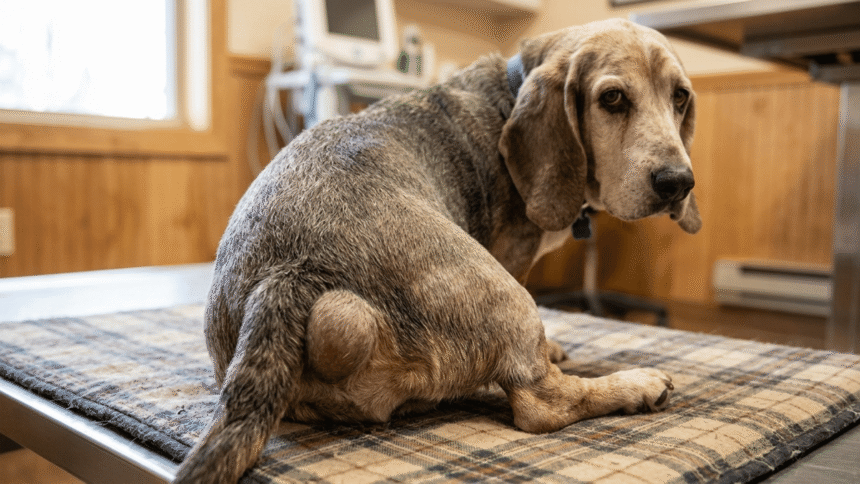
    An older, brindled hound-style dog sits on a patterned exam table in a veterinary clinic. The dog is viewed from behind and to the side, looking back toward the camera with a somber expression. A prominent, rounded swelling—characteristic of a perineal hernia—is visible on the right side of its tail base. The background shows a warm, wood-paneled clinical setting with medical monitoring equipment.
    Treatment & Health

    Understanding Perineal Hernia in Dogs: Causes, Symptoms, and Advanced Surgery Options

    By
    PetsNews
    7 Min Read
    A cat and dog eating from bowls beside text reading 'New GST Structure on Pet Food – HSN Code 2309, GST Remains at 18%'
    Bussiness

    GST Council’s New Two-Tier Tax System What It Means for Pet Owners in India

    By
    PetsNews
    September 2, 2025
    A person with painted nails gently touching the chin of a white and orange cat inside a blue wire shelter cage, representing compassion for animals and the human-animal bond at the heart of veterinary science.
    Blog

    Transform Your Love for Animals Into a Rewarding Career- A Complete Guide to Veterinary Science in India

    By
    PetsNews
    July 3, 2025
  • Technology
    A cat and dog eating from bowls beside text reading 'New GST Structure on Pet Food – HSN Code 2309, GST Remains at 18%'
    Bussiness

    GST Council’s New Two-Tier Tax System What It Means for Pet Owners in India

    India's New GST Reform Is Here — But Pet Food Prices Stay…

    By
    PetsNews
    6 Min Read
    A person with painted nails gently touching the chin of a white and orange cat inside a blue wire shelter cage, representing compassion for animals and the human-animal bond at the heart of veterinary science.
    Blog
    Transform Your Love for Animals Into a Rewarding Career- A Complete Guide to Veterinary Science in India
    A chocolate Labrador puppy wearing a red leash lying lethargically on a white tile floor next to a travel crate, representing signs of illness, nausea, and vomiting in dogs that require veterinary attention.
    Health
    Vomiting in Dogs, Causes, Warning Signs, Diagnosis, and When to Call Your Vet.
    A young woman crouching beside her Golden Retriever on a park pathway in autumn, representing responsible female dog ownership and the importance of spaying and reproductive health care for dogs.
    Health
    Spaying Female Dogs, A Complete Guide to Ovariohysterectomy and Other Sterilization Options
    Health
    Why Deworming Is Crucial for Your Puppy’s Health
  • Insider
  • Pages
    • Blog Index
    • Contact US
    • Search Page
    • 404 Page
    • Customize Interests
  • My Bookmarks
Reading: Understanding Perineal Hernia in Dogs: Causes, Symptoms, and Advanced Surgery Options
Sign In
  • Join US
Pets News Network Pet Industry Watchdog Exposing Bad Practices and NewsPets News Network Pet Industry Watchdog Exposing Bad Practices and News
Font ResizerAa
  • Bussiness
  • The Escapist
  • Entertainment
  • Science
  • Technology
  • Insider
Search
  • Home
    • Home 1
    • Home 2
    • Home 3
    • Home 4
    • Home 5
  • Categories
    • Technology
    • Entertainment
    • The Escapist
    • Insider
    • Bussiness
    • Science
    • Health
  • Bookmarks
    • Customize Interests
    • My Bookmarks
  • More Foxiz
    • Blog Index
    • Sitemap
Have an existing account? Sign In
Follow US
© Foxiz News Network. Ruby Design Company. All Rights Reserved.
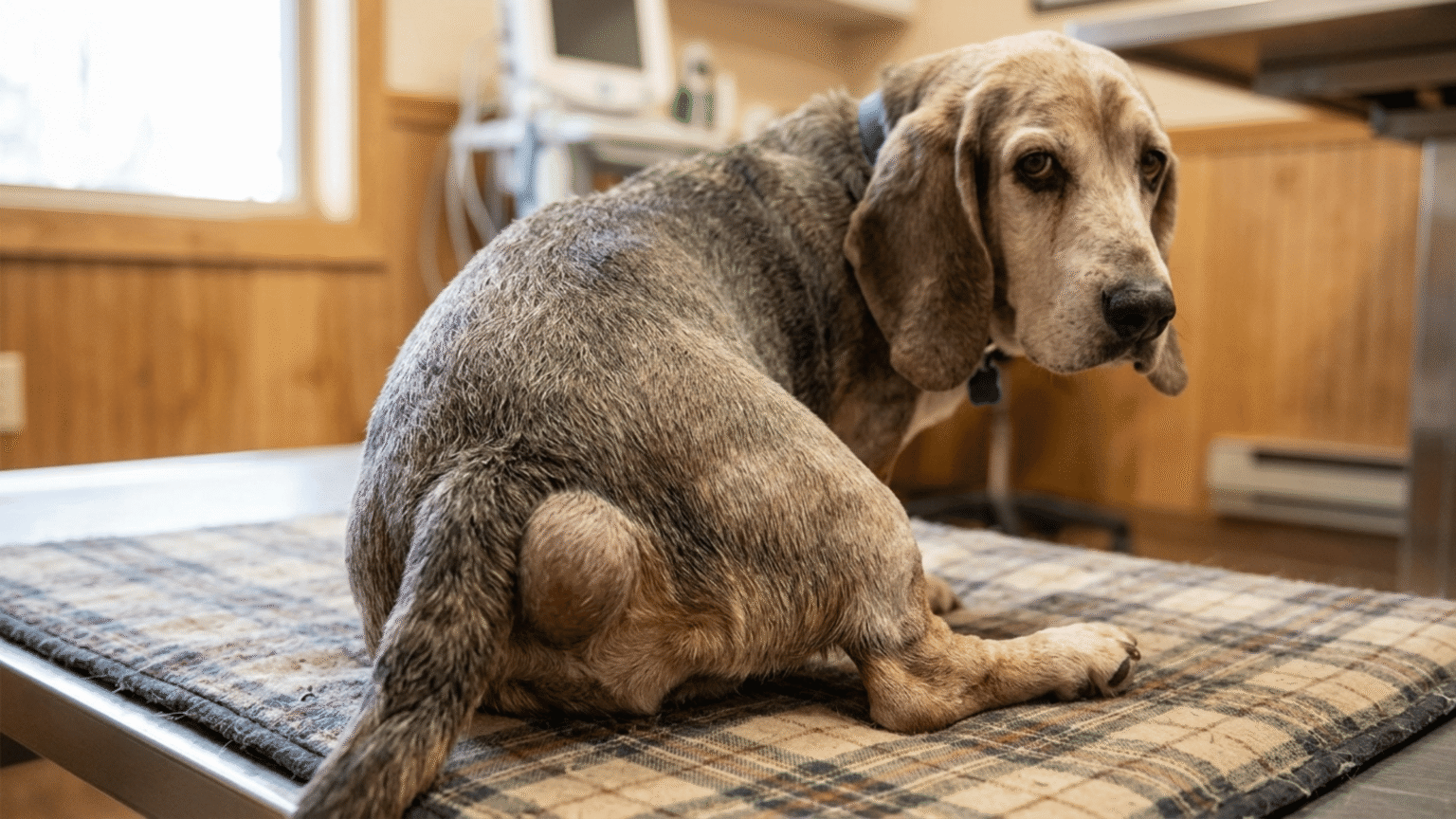
An older, brindled hound-style dog sits on a patterned exam table in a veterinary clinic. The dog is viewed from behind and to the side, looking back toward the camera with a somber expression. A prominent, rounded swelling—characteristic of a perineal hernia—is visible on the right side of its tail base. The background shows a warm, wood-paneled clinical setting with medical monitoring equipment.
Blog

Understanding Perineal Hernia in Dogs: Causes, Symptoms, and Advanced Surgery Options

A perineal hernia happens when the muscles of the pelvic diaphragm—the muscle wall near your dog’s rear end—weaken, thin out, or separate. When this muscle wall breaks down, abdominal organs or fat can slip through the gap, creating a noticeable bulge right beneath the skin next to the dog's anus.

PetsNews
Last updated: March 15, 2026 8:31 am
By
PetsNews
7 Min Read
Share
SHARE

If you have an older male dog and notice an unusual bulge near his tail, he might be dealing with a condition called a perineal hernia. While it can sound frightening, modern veterinary medicine offers highly effective, advanced surgical treatments to help your furry friend get back to a comfortable, happy life.

In this comprehensive guide, we will break down everything you need to know about a perineal hernia in dogs, from the root causes to the most up-to-date surgical solutions.

What is a Perineal Hernia in Dogs?

A perineal hernia happens when the muscles of the pelvic diaphragm—the muscle wall near your dog’s rear end—weaken, thin out, or separate. When this muscle wall breaks down, abdominal organs or fat can slip through the gap, creating a noticeable bulge right beneath the skin next to the dog’s anus.

This condition is most commonly seen in older, unneutered (intact) male dogs. Several factors can contribute to this muscle weakness, including:

Hormonal imbalances that naturally occur as unneutered dogs age.

Prostate enlargement, which is very common in older intact males.

Chronic straining to go to the bathroom (often due to constipation or prostate issues).

Nerve damage that causes the pelvic muscles to shrink or weaken.

Common Symptoms to Watch For

As a pet parent, spotting the signs early can save your dog from unnecessary discomfort and more severe complications. Look out for:

A soft or firm swelling/bulging on one or both sides of your dog’s rear end.

Straining or noticeable pain when trying to poop.

Constipation or difficulty passing stool.

Urinary issues, including difficulty peeing or incontinence (if the bladder slips into the hernia).

How Vets Diagnose a Perineal Hernia

If you suspect your dog has a perineal hernia, a trip to the vet is essential. To get a clear picture of what is happening, your vet will likely recommend a few standard diagnostic tests:

Physical and Rectal Exam: The vet will gently examine the area to check the strength of the pelvic muscles and feel which organs might be trapped in the hernia.

Diagnostic Imaging: X-rays and ultrasounds are crucial. They allow the vet to see exactly what is inside the bulge—such as fat, intestines, or even the bladder—and help rule out other urinary issues.

Standard Blood and Urine Tests: These routine tests ensure your dog’s internal organs are functioning well and that they are healthy enough to undergo anesthesia for surgery.

Advanced Surgical Treatments for Perineal Hernia in Dogs

Medical management, like changing your dog’s diet, won’t fix the actual hole in the muscle. Because of this, surgery is the gold standard and the only true way to repair a perineal hernia.

Today, veterinary surgeons use highly advanced, individualized techniques depending on the severity of the hernia and the condition of the dog’s muscles. Here are the most common and effective surgical options:

  1. Muscle Repositioning (Internal Obturator Muscle Transposition)
    This is the most traditional and widely used technique. If the original pelvic muscles are too weak to simply stitch back together, the surgeon will gently lift and rotate a nearby healthy muscle (the internal obturator) to cover and close the hernia gap. This method has a strong success rate, with most dogs healing beautifully and enjoying a complication-free life afterward.
  2. Using the Dog’s Own Tissue (TVC Graft)
    Because neutering is highly recommended to prevent hernias from returning, surgeons can actually use tissue harvested during the neutering process (the Tunica Vaginalis Communis) to patch the hernia. This clever technique uses the dog’s own natural tissue to safely fill the gap, providing great blood supply to the area and lowering the chances of the hernia coming back.
  3. Synthetic Mesh Repair
    In severe cases where the dog’s natural muscles are extremely weak or damaged, the surgeon might use a medical-grade synthetic mesh. These modern meshes are incredibly strong, cost-effective, and often treated with antibacterial properties to promote fast healing. The mesh acts as a sturdy bridge over the muscle defect, taking the tension off the surrounding tissues.
  4. Additional Techniques
    If organs like the bladder or intestines have shifted significantly, the surgeon might also perform procedures (like a colopexy or cystopexy) to safely anchor these organs back in their proper place inside the abdomen.

What to Expect Before and After Surgery

Caring for a dog undergoing perineal hernia surgery requires some strict management to ensure a smooth recovery:

Neutering is Crucial: Vets strongly recommend neutering your dog during the hernia surgery. Since hormones and prostate issues are leading causes of this condition, neutering dramatically reduces the risk of the hernia returning.

Pre-Surgery Prep: Your vet may prescribe stool softeners to make bathroom trips easier leading up to the procedure.

Post-Surgery Care: Recovery will include broad-spectrum antibiotics to prevent infection, effective pain management, and a continued soft diet to ensure your dog doesn’t have to strain while healing.

Long-Term Prognosis

The good news is that with the right surgical approach, the long-term prognosis for a perineal hernia in dogs is excellent. Most dogs experience a massive improvement in their quality of life.

While there is always a small risk of the hernia returning, using advanced techniques like tissue grafts or synthetic mesh—combined with neutering—keeps that risk incredibly low.

Conclusion

A perineal hernia in dogs is a serious condition, but it is highly treatable. Thanks to modern veterinary surgery, customized treatments are available to safely repair the pelvic muscles and get your dog feeling like their old self again. If you notice any unusual bulging or see your dog struggling to go to the bathroom, don’t wait—schedule a consultation with your veterinarian right away to discuss the best path forward.

The Benefits of Daily Walks with Your Dog
Dog Vaccination Schedule in India, The Complete Guide Every Pet Parent Needs in 2025.
Which Dogs Have the Strongest Bite Force? A Vet’s Honest Guide.
Transform Your Love for Animals Into a Rewarding Career- A Complete Guide to Veterinary Science in India
How to Remove Plaque From Your Dog’s Teeth- A Simple Vet-Approved Guide.
Share This Article
Facebook Email Copy Link Print
Leave a Comment

Leave a Reply Cancel reply

Your email address will not be published. Required fields are marked *

More Popular from Foxiz

A golden-brown Golden Retriever lying quietly on a dark leather couch with a tired, sad expression, representing the lethargy and discomfort experienced by dogs suffering from urinary bladder stones or uroliths.
Health

Urinary Bladder Stones in Dogs: Types, Symptoms, Diagnosis, and Treatment Guide for Pet Parents.

By
PetsNews
16 Min Read
A golden-brown Golden Retriever lying quietly on a dark leather couch with a tired, sad expression, representing the lethargy and discomfort experienced by dogs suffering from urinary bladder stones or uroliths.

Urinary Bladder Stones in Dogs: Types, Symptoms, Diagnosis, and Treatment Guide for Pet Parents.

By
PetsNews
An older, brindled hound-style dog sits on a patterned exam table in a veterinary clinic. The dog is viewed from behind and to the side, looking back toward the camera with a somber expression. A prominent, rounded swelling—characteristic of a perineal hernia—is visible on the right side of its tail base. The background shows a warm, wood-paneled clinical setting with medical monitoring equipment.
Treatment & Health

Understanding Perineal Hernia in Dogs: Causes, Symptoms, and Advanced Surgery Options

By
PetsNews
7 Min Read
- Advertisement -
Ad image
Health

Urinary Bladder Stones in Dogs: Types, Symptoms, Diagnosis, and Treatment Guide for Pet Parents.

That Sad, Tired Look Could Mean More Than a Bad Day — Know the Signs of…

By
PetsNews
Treatment & Health

Blood Panel Clues in Dogs and Cats, What Your Vet’s Blood Tests Are Really Telling You

Your Cat's Blood Test Could Be Saving Their Life — Here's How

By
PetsNews
HealthTreatment & Health

Chronic Kidney Disease in Dogs: Symptoms, Treatment, Diet, and How to Give Your Dog a Better Quality of Life.

When Your Dog's Kidneys Start to Fail — Here's What Every Pet Owner Must Know

By
PetsNews
Health

Urinary Bladder Stones in Dogs: Types, Symptoms, Diagnosis, and Treatment Guide for Pet Parents.

That Sad, Tired Look Could Mean More Than a Bad Day — Know the Signs of…

By
PetsNews
Health

Dog Vaccination Schedule in India, The Complete Guide Every Pet Parent Needs in 2025.

One Small Injection — A Lifetime of Protection for Your Dog

By
PetsNews
Pets News Network Pet Industry Watchdog Exposing Bad Practices and News
We influence 20 million users and is the number one business and technology news network on the planet. Foxiz Daily delivers everything you need to know to live your best life, best tech trend, traveling passion and more…

Categories

  • The Escapist
  • Entertainment
  • Bussiness

Quick Links

  • Advertise with us
  • Newsletters
  • Complaint
  • Deal

@COPY RIGHTS – 2026, Pets News Network. All Rights Reserved.

Welcome Back!

Sign in to your account

Username or Email Address
Password

Lost your password?