
Why Loss of Appetite in Dogs Should Never Be Ignored
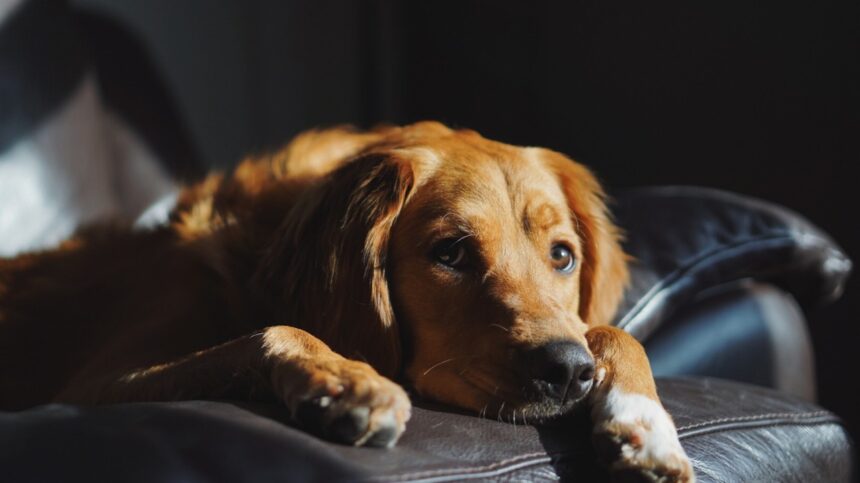
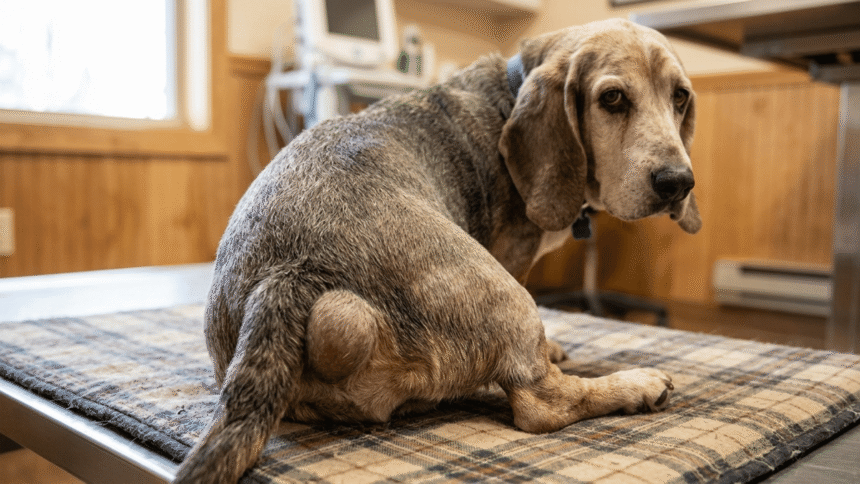
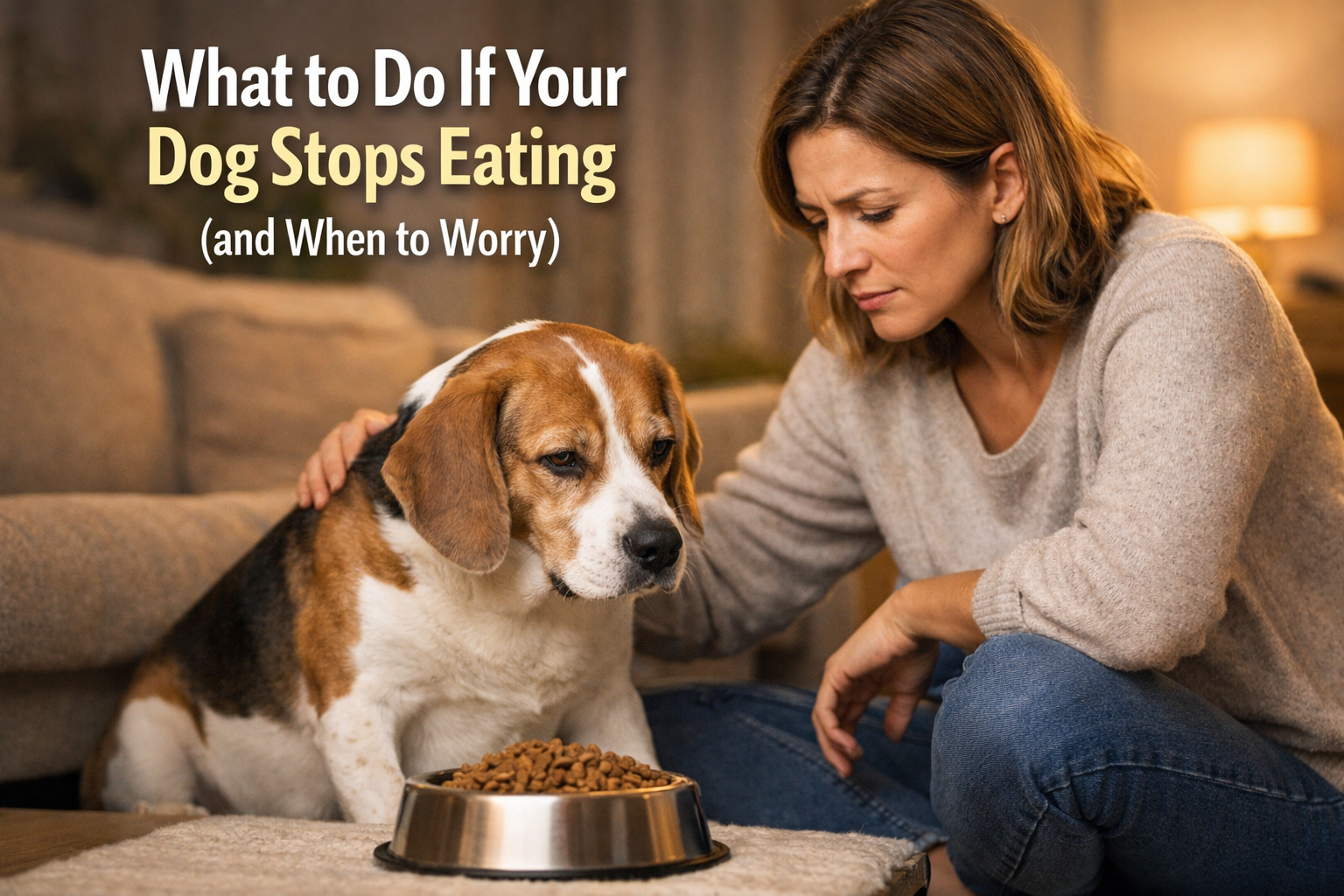
A sudden change in your dog’s eating habits can be concerning. While it’s normal for dogs to occasionally skip a meal, consistently refusing food is often a sign that something isn’t right.
- Why Loss of Appetite in Dogs Should Never Be Ignored
- Common Reasons Why Your Dog Stops Eating
- 1. Age-Related Changes
- 2. Dental Problems
- 3. Digestive Issues
- 4. Medication Side Effects
- 5. Behavioral Issues
- 6. Environmental Changes
- Simple Ways to Improve Your Dog’s Appetite
- Establish a Feeding Routine
- Make Food More Appealing
- Reduce Treat Intake
- Create a Calm Eating Environment
- Add Daily Exercise
- Use Healthy Food Toppers
- When Should You Be Concerned?
- Conclusion
Loss of appetite in dogs can be caused by anything from mild discomfort to serious health conditions. As a pet owner, it’s important to identify the reason early and take the right steps to help your dog recover.
Common Reasons Why Your Dog Stops Eating
If your dog refuses food, don’t assume it’s just fussiness. Here are some of the most common causes and what you should watch for.
1. Age-Related Changes
As dogs grow older, their metabolism slows down, and they may naturally eat less. However, a sudden drop in appetite is not normal.
Signs to watch for:
- Low energy levels
- Weight loss
- Confusion or disorientation
- Wandering behavior
What you can do:
- Consult your vet to rule out underlying conditions
- Offer soft or easy-to-chew food
- Maintain a consistent feeding schedule
2. Dental Problems
Oral pain can make eating difficult and uncomfortable for dogs.
Signs to watch for:
- Bad breath
- Drooling
- Difficulty chewing
- Swollen or bleeding gums
- Pawing at the mouth
What you can do:
- Schedule a dental check-up
- Switch to softer food or moisten dry kibble
3. Digestive Issues
Stomach-related problems are a frequent reason for appetite loss.
Signs to watch for:
- Vomiting
- Diarrhea
- Constipation
- Bloating
- Signs of abdominal pain
What you can do:
- Seek veterinary care immediately if symptoms persist
- Avoid delaying treatment, especially if your dog hasn’t eaten for 24 hours
4. Medication Side Effects
Some medications can reduce appetite, especially when newly introduced.
Signs to watch for:
- Nausea
- Fatigue
- Sudden refusal to eat after starting medication
What you can do:
- Speak with your vet about adjusting the dosage or changing medication
5. Behavioral Issues
Dogs are highly sensitive to emotional changes. Stress or anxiety can directly impact their appetite.
Signs to watch for:
- Restlessness
- Hiding
- Whining
- Changes in eating behavior
What you can do:
- Identify potential stress triggers
- Provide a calm and secure environment
- Consult a professional if needed
6. Environmental Changes
Even small disruptions in routine can affect your dog’s eating habits.
Signs to watch for:
- Nervous behavior
- Reduced interest in food
- Clinginess or withdrawal
What you can do:
- Keep feeding times consistent
- Allow your dog time to adjust
- Maintain a stable environment
Simple Ways to Improve Your Dog’s Appetite
If there’s no serious medical issue, you can try these safe and effective methods to encourage your dog to eat again.
Establish a Feeding Routine
Dogs respond well to consistency. Feeding them at the same time every day helps regulate their hunger and makes it easier to track changes.
Make Food More Appealing
- Add warm water to enhance aroma
- Mix a small amount of wet food with kibble
- Slightly warm meals to improve taste
Reduce Treat Intake
Too many treats can reduce your dog’s hunger. Stick to regular meal portions and limit unnecessary snacking.
Create a Calm Eating Environment
Ensure your dog eats in a quiet, stress-free space without distractions or competition from other pets.
Add Daily Exercise
Physical activity naturally boosts appetite. A short walk before meals can help stimulate hunger and improve digestion.
Use Healthy Food Toppers
Adding vet-approved food toppers can make meals more attractive for picky eaters. Choose high-quality options that complement your dog’s diet.
When Should You Be Concerned?
If your dog refuses food for more than 24 hours, it’s time to take action.
Seek veterinary help immediately if you notice:
- Continuous vomiting or diarrhea
- Extreme lethargy
- Rapid weight loss
- Signs of pain or discomfort
Ignoring these symptoms can lead to more serious health complications.
Conclusion
A dog not eating is never something to overlook. While some causes are minor and temporary, others may require urgent medical attention.
By observing your dog’s behavior, maintaining a consistent routine, and acting quickly when needed, you can ensure your pet stays healthy and happy.
Always remember—early intervention is the key to preventing bigger problems and helping your dog get back to normal as soon as possible.