
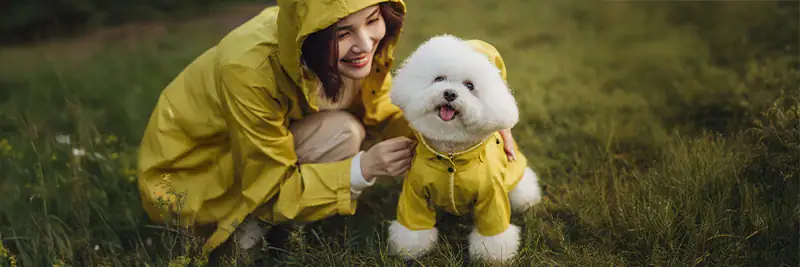

The arrival of the monsoon brings cooler temperatures and much-needed relief from the summer heat, but it also creates new health challenges for pets. Increased humidity, muddy surroundings, stagnant water, and a rise in parasites can expose dogs and cats to infections, skin conditions, and digestive problems if proper care isn’t taken.
Veterinarians advise pet parents to adopt a proactive approach during the rainy season by focusing on hygiene, nutrition, parasite prevention, and regular health monitoring. A few simple precautions can go a long way in keeping pets healthy, comfortable, and active throughout the monsoon.
Humidity Can Affect Skin and Coat Health
One of the biggest concerns during the rainy season is excessive moisture trapped in a pet’s coat. Damp fur creates an ideal environment for bacteria and fungi to multiply, increasing the risk of skin infections, itching, hot spots, and unpleasant odors.
Dogs with thick or long coats are particularly vulnerable because their fur takes longer to dry. After every walk in the rain, pet parents should gently towel-dry their pets, paying special attention to the paws, belly, ears, and skin folds. If the coat becomes completely soaked, using a pet-safe dryer on a low setting can help remove excess moisture.
Regular brushing also helps improve air circulation through the coat and prevents matting.
Ticks, Fleas, and Mosquitoes Become More Active
The monsoon season often leads to a sharp increase in ticks, fleas, and mosquitoes, all of which can spread dangerous diseases to pets.
Veterinarians recommend using preventive parasite treatments throughout the rainy months. Pet owners should also inspect their dog’s coat after outdoor walks, especially around the ears, neck, paws, and under the legs where ticks commonly hide.
Keeping bedding clean and maintaining a hygienic home environment further reduces the chances of parasite infestations.
Protect Your Pet’s Paws
Wet roads, muddy parks, and contaminated puddles can expose pets to bacteria, chemicals, and sharp objects.
After every outdoor walk, paws should be rinsed with clean water and dried thoroughly. Checking for cuts, redness, swelling, or debris can help prevent infections before they become serious.
Using pet-safe paw balms may also help protect paw pads from excessive moisture and rough surfaces.
Avoid Drinking from Puddles
Many pets are naturally curious and may drink water from puddles during walks. However, stagnant rainwater can contain harmful bacteria, parasites, and chemical contaminants.
Providing fresh drinking water before and after walks reduces the temptation to drink from unsafe water sources. Pet parents should also carry clean water while travelling with their pets.
Nutrition Helps Strengthen Immunity
A balanced diet plays an important role in helping pets stay healthy during seasonal changes.
High-quality nutrition supports the immune system and enables the body to fight infections more effectively. Fresh drinking water should always be available, and sudden dietary changes should be avoided unless recommended by a veterinarian.
Some pets may benefit from supplements that support skin health, digestion, or immunity, but these should only be introduced after professional veterinary advice.
Watch for Digestive Problems
The rainy season can increase the likelihood of stomach upsets due to spoiled food, contaminated water, or accidental ingestion of harmful substances outdoors.
Pet owners should store food properly, wash feeding bowls regularly, and avoid leaving wet food out for extended periods. If a pet experiences vomiting, diarrhoea, loss of appetite, or unusual lethargy, veterinary attention should be sought promptly.
Ear Care Is Especially Important
Moisture trapped inside the ears can encourage bacterial and yeast infections, particularly in dogs with floppy ears.
Regular ear inspections and gentle cleaning with veterinarian-approved ear cleaners can help prevent infections. Any foul smell, redness, excessive scratching, or unusual discharge should be examined by a veterinarian as early treatment often prevents more serious complications.
Keep Vaccinations and Preventive Care Up to Date
Monsoon is also a good reminder to ensure pets are current on vaccinations, deworming schedules, and routine health check-ups.
Preventive veterinary care provides an added layer of protection against diseases that become more common during periods of increased humidity and parasite activity.
Exercise Safely During Rainy Weather
Although outdoor exercise remains important, heavy rainfall and waterlogged areas may not always be safe.
Shorter walks during dry intervals, indoor games, puzzle toys, and basic obedience training can help pets stay physically active and mentally stimulated when outdoor activities are limited.
A Healthy Monsoon Starts with Prevention
The rainy season doesn’t have to be stressful for pets or their families. With proper grooming, good hygiene, balanced nutrition, parasite prevention, and timely veterinary care, most common monsoon-related illnesses can be avoided.
By staying alert to seasonal risks and making a few simple adjustments to daily routines, pet parents can ensure their dogs and cats remain healthy, comfortable, and ready to enjoy the monsoon safely.
This article has been independently researched, written, and published by the Pets News Network (PNN) Editorial Team. Pets News Network (PNN) is India’s first dedicated OTT and digital news platform focused exclusively on the pet industry. Our editorial team creates original, evidence-based pet care content using guidance from licensed veterinarians, animal health experts, scientific literature, and trusted public health resources.
Published: July 2026