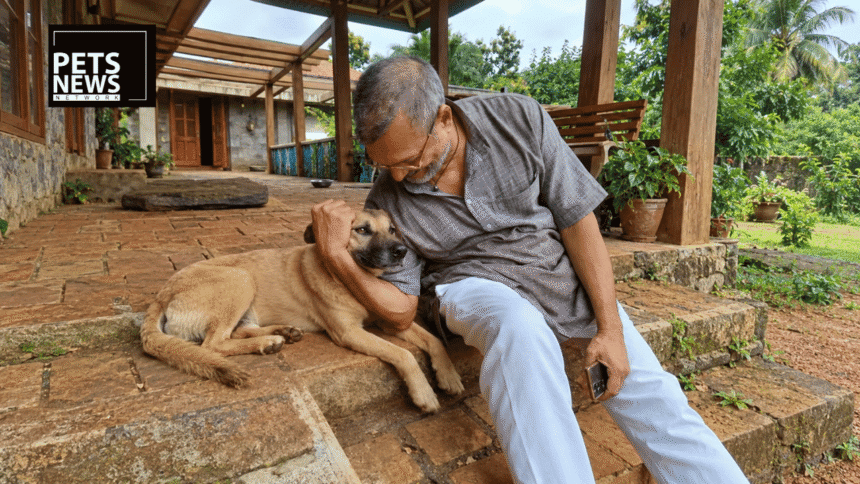


For millions of dogs, the pandemic brought an unexpected luxury: constant companionship.
As people worked remotely and spent more time at home, pets became accustomed to having their favorite humans nearby throughout the day. But as offices reopened and routines shifted back toward in-person work, many dogs suddenly found themselves spending long hours alone again.
Animal behavior experts say this dramatic lifestyle change has led to a noticeable rise in separation-related anxiety among dogs. From excessive barking and destructive behavior to stress-induced accidents, many pets are finding it difficult to adjust to their owners’ new schedules.
The good news? With patience, training, and consistency, dogs can learn to feel comfortable and secure when left alone.
Understanding Separation Anxiety in Dogs
Separation anxiety goes beyond a dog simply missing its owner.
It occurs when a dog experiences genuine stress or panic when separated from the people they are most attached to. The condition can affect dogs of any age, breed, or background, although some pets may be naturally more sensitive to changes in routine.
Dogs that became accustomed to near-constant human interaction during lockdown periods may be particularly vulnerable.
Experts explain that many dogs never developed the coping skills needed to spend extended periods alone because they simply didn’t have to.
Common Signs Your Dog May Be Struggling
Not every dog expresses anxiety in the same way.
Some dogs become vocal, barking, whining, or howling shortly after their owner leaves. Others may chew furniture, scratch doors, dig carpets, or destroy household items.
Additional warning signs may include:
- Pacing around the house
- Excessive drooling or panting
- Indoor accidents despite being house-trained
- Refusal to eat when left alone
- Constant shadowing of owners before departure
- Signs of panic when owners prepare to leave
Recognizing these behaviors early can help prevent the problem from becoming more severe.
Start With Short Departures
One of the most effective ways to help an anxious dog is through gradual desensitization.
Rather than suddenly leaving your dog alone for an entire workday, begin with very short absences. Leave for a few minutes, then return calmly. As your dog becomes more comfortable, slowly increase the length of time you are away.
This process teaches dogs that departures are temporary and that their owners always come back.
Consistency is key, and progress often happens gradually.
Create Positive Associations With Alone Time
Experts recommend helping dogs view alone time as something enjoyable rather than stressful.
Providing puzzle toys, treat-dispensing games, chew items, or enrichment activities before leaving can help redirect a dog’s attention and keep them mentally engaged.
Special toys reserved only for periods when the owner is away can become powerful tools for building positive associations.
Over time, dogs may begin to anticipate these rewards rather than fear departures.
Avoid Making Departures Emotional
Many owners unintentionally increase anxiety by making departures and reunions highly emotional events.
Lengthy goodbyes, excessive cuddling, or dramatic greetings can reinforce the idea that being apart is a significant event.
Behavior specialists suggest keeping exits and arrivals calm, predictable, and low-key.
The goal is to teach dogs that coming and going is simply a normal part of daily life.
Establish a Predictable Routine
Dogs thrive on consistency.
Regular feeding schedules, daily exercise, bathroom breaks, and predictable departure times can help create a sense of security.
A structured routine allows dogs to understand what to expect, reducing uncertainty and stress.
Before leaving for work, owners should ensure their dogs have received adequate physical exercise and mental stimulation, as tired dogs are often more relaxed when left alone.
Create a Safe and Comfortable Space
A designated relaxation area can help dogs feel more secure during alone time.
This space may include a comfortable bed, familiar toys, water access, and calming background sounds such as soft music or television.
Some dogs feel safest in a crate if they have been properly crate-trained, while others prefer access to a larger room.
The key is creating an environment where the dog feels comfortable rather than confined.
When Professional Help May Be Needed
While mild separation anxiety often improves through training and routine adjustments, severe cases may require professional support.
Dogs that injure themselves, experience extreme panic, or show persistent destructive behaviors should be evaluated by a veterinarian or certified animal behavior specialist.
In some situations, behavioral therapy or medication may be recommended as part of a comprehensive treatment plan.
Early intervention often leads to better outcomes.
Helping Dogs Build Confidence Again
The transition back to office life has been challenging for many families, including their pets. However, experts emphasize that dogs are highly adaptable when given the right support.
With gradual training, positive reinforcement, and patience, most dogs can learn that being home alone is safe and temporary.
For pet parents navigating post-pandemic routine changes, the focus should be on helping dogs build confidence rather than forcing them into sudden independence.
The Bottom Line
As more people return to workplaces and spend less time at home, separation anxiety has become a growing concern for dogs accustomed to constant companionship. Recognizing the signs early and implementing gradual training strategies can make a significant difference.
By creating positive experiences around alone time and maintaining consistent routines, pet owners can help their dogs feel secure, relaxed, and confident—even when no one else is home.