
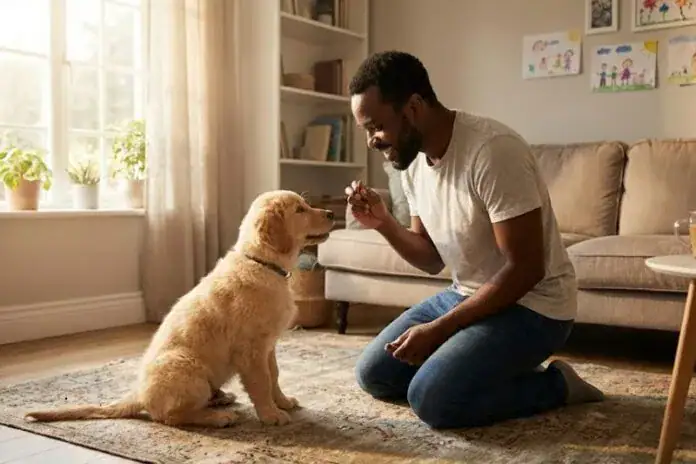

Bringing a dog into your life is one of the most rewarding experiences a person can have. From their unwavering loyalty to their playful energy, dogs quickly become cherished members of the family. However, successful dog parenting involves much more than providing food, shelter, and affection. It requires patience, consistency, training, and a deep understanding of your pet’s needs.
Whether you’re welcoming a puppy for the first time or adopting an older dog, establishing good habits early can help create a strong bond and ensure a lifetime of happiness for both you and your four-legged friend.
Building a Strong Foundation from Day One
The first few weeks after bringing a dog home are crucial. Dogs thrive on structure and routine, making it important to establish clear expectations from the beginning.
Creating a consistent schedule for feeding, walks, playtime, and rest helps dogs feel secure and understand what is expected of them. Predictability reduces stress and makes it easier for pets to adapt to their new environment.
At the same time, introducing household rules early prevents confusion later. Whether it’s deciding where your dog sleeps or determining which areas of the house are off-limits, consistency among family members is key.
Positive Reinforcement Works Best
Modern dog training focuses heavily on positive reinforcement, a method that rewards desired behaviors instead of punishing mistakes.
Treats, praise, toys, and affection can all be used to encourage good behavior. When a dog associates positive outcomes with specific actions, they are more likely to repeat them.
Training sessions should be short, engaging, and enjoyable. Dogs learn more effectively when training feels like a game rather than a chore. Even a few minutes of focused practice each day can lead to impressive results over time.
The Importance of Early Socialization
One of the most critical aspects of raising a confident and well-adjusted dog is proper socialization.
Dogs should be safely exposed to different people, environments, sounds, and experiences from an early age. Positive interactions help reduce fear and anxiety while teaching dogs how to behave appropriately in various situations.
Regular exposure to friendly dogs and new surroundings can also help prevent behavioral problems that may develop later in life.
Teaching Essential Commands
Basic obedience commands provide the foundation for good behavior and safety.
Commands such as “sit,” “stay,” “come,” “leave it,” and “down” help establish communication between dogs and their owners. These skills are not only useful at home but can also prevent dangerous situations outdoors.
Training should be approached with patience and repetition. Every dog learns at a different pace, and progress often comes through consistent practice rather than quick fixes.
Exercise: More Than Just Physical Activity
Dogs require regular exercise to stay healthy, but physical activity alone is not enough. Mental stimulation is equally important.
Interactive toys, puzzle feeders, scent games, and training exercises challenge a dog’s mind and help prevent boredom. A mentally stimulated dog is often calmer, happier, and less likely to develop destructive behaviors.
The amount of exercise needed varies depending on the dog’s breed, age, size, and overall health. Understanding your pet’s individual requirements can make a significant difference in their wellbeing.
Addressing Unwanted Behaviors the Right Way
Every dog owner encounters behavioral challenges at some point. Excessive barking, chewing, jumping, or pulling on the leash are common issues.
Instead of relying on punishment, experts recommend identifying the root cause of the behavior. Many problems stem from boredom, anxiety, lack of exercise, or inconsistent training.
By understanding why a dog is behaving a certain way, owners can implement effective solutions that address the cause rather than simply correcting the symptom.
Nutrition and Health Play a Vital Role
Good behavior and overall happiness are closely linked to physical health.
A balanced diet, regular veterinary checkups, vaccinations, parasite prevention, and proper grooming contribute to a dog’s quality of life. Health issues can sometimes trigger changes in behavior, making routine healthcare an essential part of responsible pet parenting.
Monitoring weight, energy levels, and daily habits can also help identify potential health concerns before they become serious.
Strengthening the Human-Animal Bond
Perhaps the most important part of dog parenting is building trust.
Dogs thrive when they feel loved, understood, and included. Spending quality time together through walks, training sessions, games, and quiet companionship helps strengthen the relationship between pets and their families.
Trust-based relationships create confident dogs that are more responsive to training and better equipped to handle life’s challenges.
Raising a Happy Dog Is a Lifelong Journey
There is no perfect formula for dog parenting, but patience, consistency, and compassion go a long way. Every dog has a unique personality, learning style, and set of needs.
By focusing on positive training techniques, proper socialization, regular exercise, and overall wellbeing, pet parents can raise dogs that are not only well-behaved but also emotionally secure and genuinely happy.
The journey may require time and effort, but the reward is a loyal companion whose love and friendship can last a lifetime.