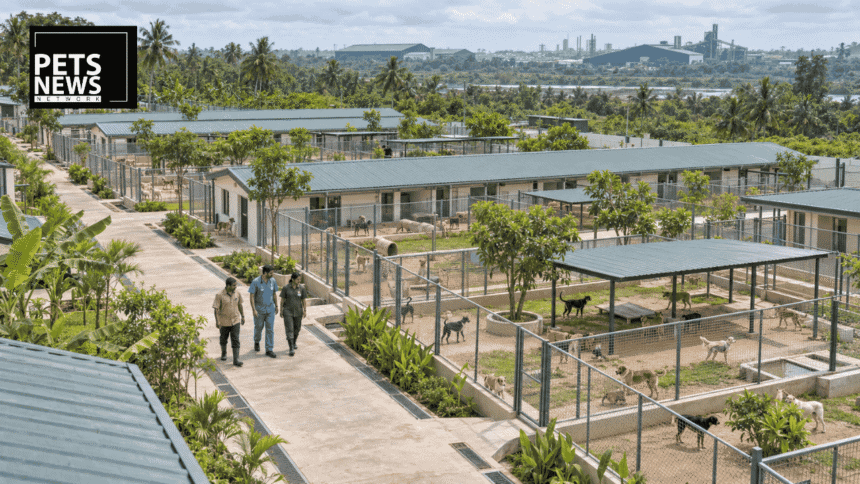


South Korea’s historic decision to phase out the dog meat industry has been welcomed by animal welfare advocates around the world. But as the country moves toward ending a practice that has existed for generations, another issue is drawing increasing attention: the fate of the hundreds of thousands of dogs that were once part of the industry.
Since lawmakers approved legislation to ban the breeding, slaughter, distribution, and sale of dogs for meat through a gradual transition period, farmers, rescue organisations, and government agencies have been navigating an enormous logistical challenge. Thousands of animals require care, relocation, or adoption, while businesses that relied on the trade are being asked to wind down operations.

Recent reports have fueled public discussion after questions emerged about a significant decline in the number of dogs recorded within the industry. Animal welfare groups and observers are seeking greater transparency about where many of those animals ultimately went as the sector began shrinking ahead of the ban’s full implementation.
The uncertainty has sparked concern among rescue organisations, which have long argued that clear tracking and reporting are essential during the industry’s transition. Advocates say detailed records can help ensure animals are accounted for and that welfare standards are maintained throughout the phase-out process.
Government officials have emphasised that the ban includes measures to support businesses affected by the policy while encouraging an orderly closure of dog meat farms and related operations. Authorities are also working with local governments and relevant organisations as the transition continues.
For many farmers, the legislation has brought difficult decisions. Some have sought compensation and assistance to leave the industry, while others have expressed concerns about the financial impact of closing businesses that have operated for decades. Finding suitable homes or shelters for large numbers of dogs remains one of the biggest challenges facing everyone involved.
Animal rescue organisations, both in South Korea and internationally, have stepped up efforts to help. Many groups have expanded adoption campaigns, partnered with shelters, and arranged overseas placements for rescued dogs in countries where demand for pet adoption remains strong.
The issue has also highlighted the broader responsibilities that come with ending an entire industry. Beyond passing legislation, experts say successful implementation depends on coordinated efforts involving government agencies, veterinarians, animal welfare organisations, and local communities to ensure that the dogs receive proper care.
South Korea’s decision has been viewed as a landmark moment in animal welfare policy, reflecting changing public attitudes toward companion animals. As more families embrace dogs as household pets, public support for ending the commercial dog meat trade has steadily increased over recent years.
Even so, questions surrounding the transition remain. Animal welfare advocates continue to call for transparency, accountability, and comprehensive monitoring so the public can better understand how affected animals are being cared for throughout the phase-out.
As the country works toward completing the ban, the focus is no longer only on ending the trade—it is also on ensuring that every possible effort is made to safeguard the welfare of the dogs caught in the middle of this historic change.