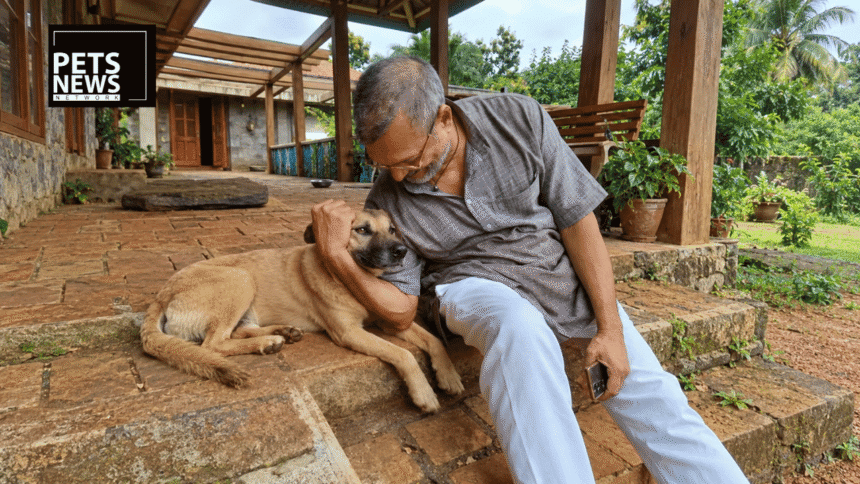
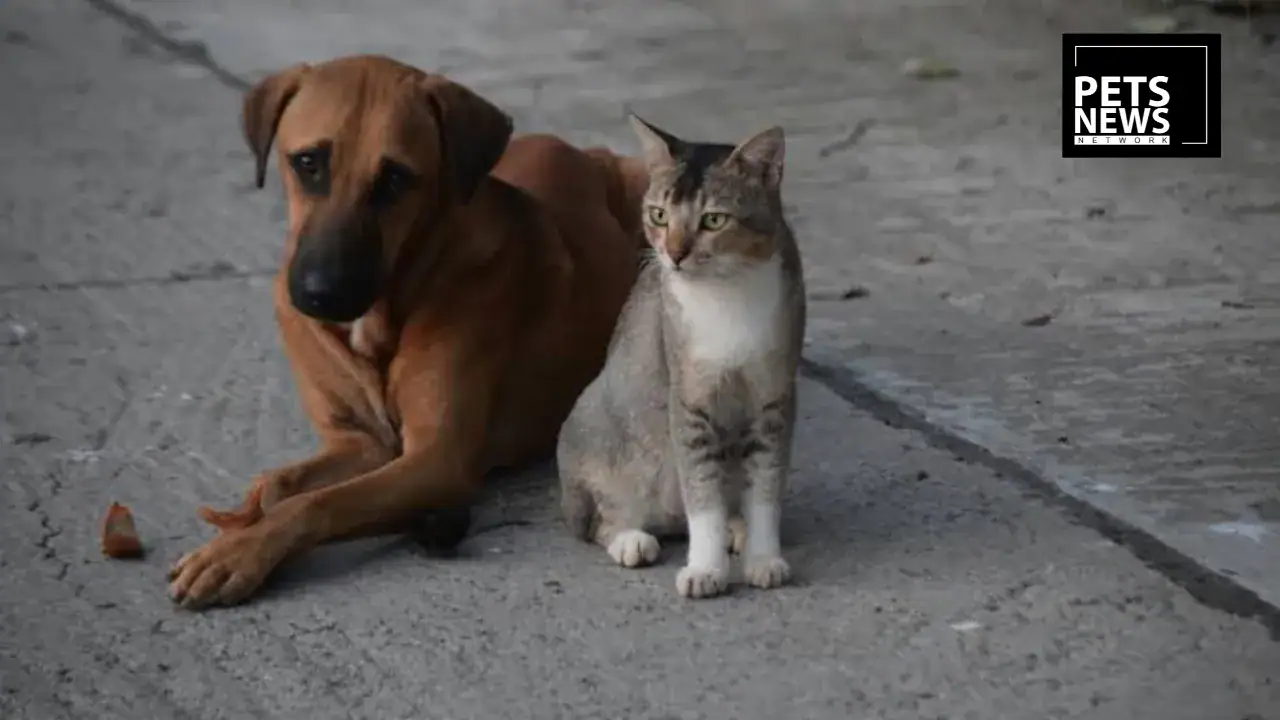

In a quiet but meaningful step toward one of India’s most persistent public health goals, animal welfare organisation SAVE recently organised a free vaccination programme for cats and dogs in Jammu, successfully immunising more than 50 animals against rabies in a single coordinated effort.
The event was as much about community engagement as it was about medical care, blending vaccination services with pet food distribution, expert veterinary guidance, and encouragement for local pet parents to take responsible ownership seriously.
What the Drive Actually Delivered
At the centre of the programme was straightforward but critical preventive healthcare. Over 50 dogs and cats brought in by pet parents and community members were vaccinated against rabies during the event, a disease that remains one of India’s most serious and persistent zoonotic health challenges, particularly in regions where consistent access to veterinary care isn’t always guaranteed.
Beyond the vaccinations themselves, SAVE added a thoughtful incentive layer to the event. Free cat and dog food, along with treats, were distributed to participants, a gesture designed to encourage responsible pet ownership while also rewarding pet parents who took the time to bring their animals in for care. It’s a small but effective way of pairing preventive healthcare with tangible, everyday value for the families involved.
The Vision Behind the Initiative
Speaking about the broader purpose of the programme, Devinder Kaur Madaan, Chairperson of SAVE, framed the vaccination drive as part of a much larger mission: working toward a rabies-free India. Madaan emphasised that initiatives like this one aren’t just about individual animals staying healthy, they’re a crucial building block toward eliminating rabies transmission altogether and fostering genuinely peaceful coexistence between humans and animals in shared community spaces.
That framing matters. Rabies elimination in India depends heavily on sustained, community-level vaccination efforts exactly like this one, reaching animals that might otherwise never make it to a clinic, and building trust with pet parents and community members along the way.
Expert Guidance Alongside the Needle
Vaccination wasn’t the only form of care on offer. Dr. Asif Majid, a Veterinary Doctor with the Animal Husbandry Department in Jammu, was present at the event to provide pet parents with practical guidance covering preventive care, general pet health, and the fundamentals of responsible ownership.
For many attendees, this kind of direct access to veterinary expertise is just as valuable as the vaccination itself. Not every pet parent has regular access to a vet, and events like this create a rare opportunity to ask questions, address concerns, and walk away with genuinely useful, professional advice about keeping a pet healthy long-term.
The People Who Made It Happen
Community-driven animal welfare work rarely happens without a dedicated team behind the scenes, and this event was no exception. The programme was coordinated by shelter staff working alongside several key SAVE members and volunteers, including Sudhanshu, Sunakshi Sharma, Anmol, Payal Pandita, and Meerut Daman.
Their coordination, from managing the logistics of the vaccination process to organising the distribution of pet food and treats, was central to ensuring the day ran smoothly for both the animals being treated and the pet parents who brought them in.

Why Grassroots Vaccination Drives Matter So Much in India
Events like SAVE’s Jammu vaccination camp fit into a much bigger national picture. India continues to carry one of the highest burdens of rabies-related deaths globally, and consistent, accessible vaccination remains the single most effective tool for changing that trajectory, both for stray and community animals as well as owned pets.
What makes grassroots drives particularly valuable is their reach. Large-scale government vaccination programmes matter enormously, but locally organised events run by community organisations like SAVE often reach pet parents and animals that might otherwise fall through the gaps, whether due to cost barriers, lack of awareness, or simply not knowing where to access free veterinary services.
A Small Event With Outsized Impact
At first glance, a single-day vaccination drive covering just over 50 animals might seem modest in scale. But its real value lies in the layers built into the event itself: free preventive healthcare, direct access to veterinary expertise, tangible incentives for responsible ownership, and community trust-building, all delivered in one accessible, no-cost setting.
For the pet parents and animals of Jammu who took part, the immediate outcome is straightforward: over 50 fewer animals at risk of rabies, and a community slightly better equipped with the knowledge to keep their pets healthy going forward. For India’s broader push toward eliminating rabies, drives like this one represent exactly the kind of sustained, ground-level effort the goal ultimately depends on.
Pets News Network is India’s first dedicated media platform for the pet and animal industry. For breaking global pet news, brand coverage, and advertising enquiries, contact: ankur@petsnewsnetwork.com