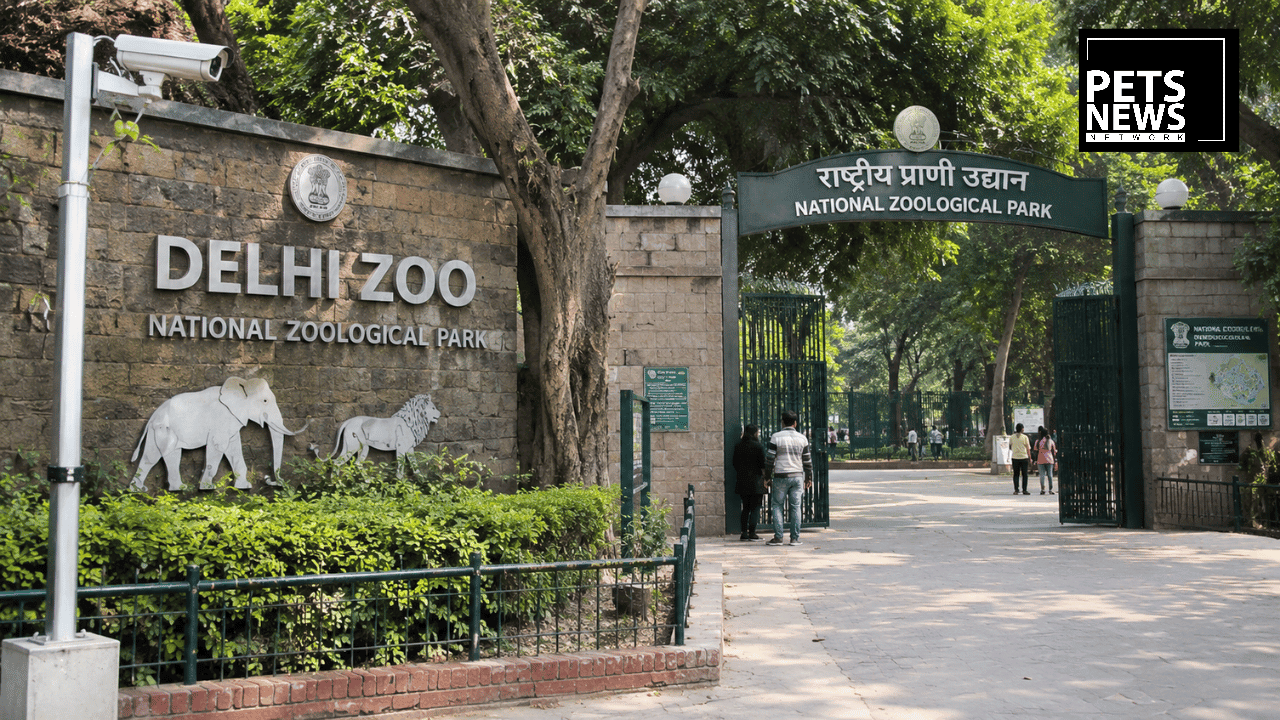

The Delhi Zoo CCTV plan has been widely described as the installation of 488 cameras after a run of animal deaths and an escape. However, the zoo’s own tender tells a narrower story. What the National Zoological Park has put out to bid is a one-year maintenance contract for a surveillance system it already has, at an estimated ₹34.27 lakh. That shifts the question. If the cameras were already there, what matters is whether they were working, and whether anyone was watching.
What the tender says
The zoo’s tender, published on the government’s procurement portal and listed on the zoo’s own website, is the primary record.
| Item | What the bid document shows |
|---|---|
| Title | Comprehensive Annual Maintenance Contract of the CCTV surveillance system installed at the National Zoological Park |
| Bid number | GEM/2026/B/8278474 |
| Issued | 16 November 2026 |
| Estimated value | ₹34,27,310, inclusive of taxes |
| Period | One year and one day |
| Type of work | Comprehensive maintenance, including preventive maintenance and data backup and recovery |
| Staff required | One resident technical engineer, based at the control room |
| Bids close | 7 December 2026 |
The buyer is the National Zoological Park, under the Ministry of Environment, Forest and Climate Change.
Maintenance, or new cameras?
The project has been reported as 488 cameras of three kinds: fixed bullet cameras, dome cameras and pan-tilt-zoom units, with recording and storage. The figure of about ₹34.27 lakh has been attached to it.
Three things point the other way.
The title. The tender is for the maintenance of a system described as installed.
The arithmetic. ₹34.27 lakh spread over 488 cameras comes to about ₹7,000 a camera. That is unlikely to buy and install a pan-tilt-zoom camera with cabling, recording and storage. It is closer to the range of a year’s upkeep.
The scope. The work covers about 13 km of existing optical fibre and power cable, and an engineer for routine maintenance and complaints. That is what a maintenance contract looks like.
One caution. The published bid document does not state the number of cameras. That detail sits in a separate scope-of-work attachment that was not available for this article. It is therefore possible that the contract includes replacing some units. What can be said with confidence is that the tender is a maintenance contract, and that its value matches the figure being quoted alongside “488 cameras”.
What officials have said about the system
The public description of the project has come from an unnamed official. No statement has been located in the name of the director or the ministry.
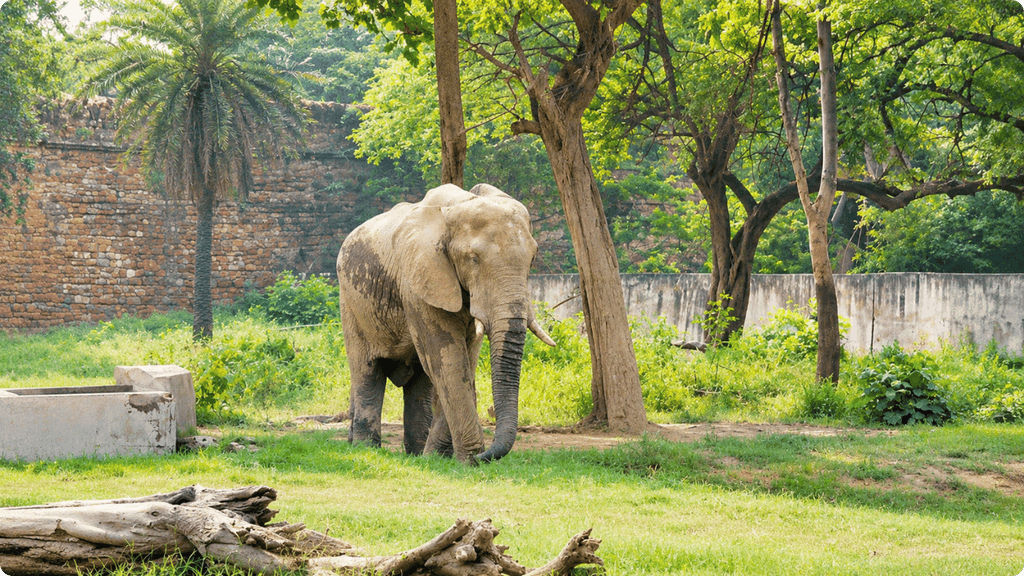
According to that account, the network comprises three kinds of camera. Pan-tilt-zoom units can turn and zoom in on a particular spot, which lets staff look more closely at an enclosure. Bullet cameras are fixed on specific points. Dome cameras cover wider sections of the premises. All are linked to recording and storage equipment, so that footage can be retrieved when an incident is reported.
The stated aim is faster response to emergencies and better-managed spaces for animals and visitors.
That description is consistent with the system the tender covers. Where the two accounts part is on a single word. One says the cameras are to be installed. The tender says they are to be maintained.
Why the cameras are in the news at all
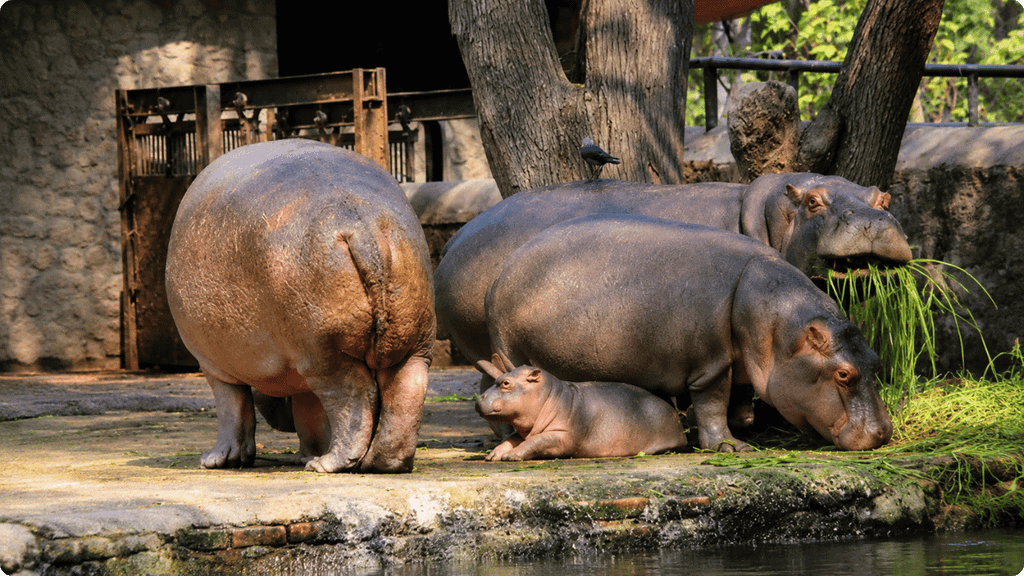
The tender arrives after a difficult period for the zoo. Several incidents and complaints over roughly the past year have raised questions about how closely its animals are watched.
| Incident | What has been said |
|---|---|
| Jackal escape | Jackals got out of their enclosure late in 2025; some were recaptured |
| Jackal’s death, December 2025 | The zoo workers’ union alleged that staff lit a fire at the mouth of a Himalayan black bear den and used chilli powder to smoke a jackal out, and that the animal suffocated. It was allegedly found dead and partly burnt on 18 December |
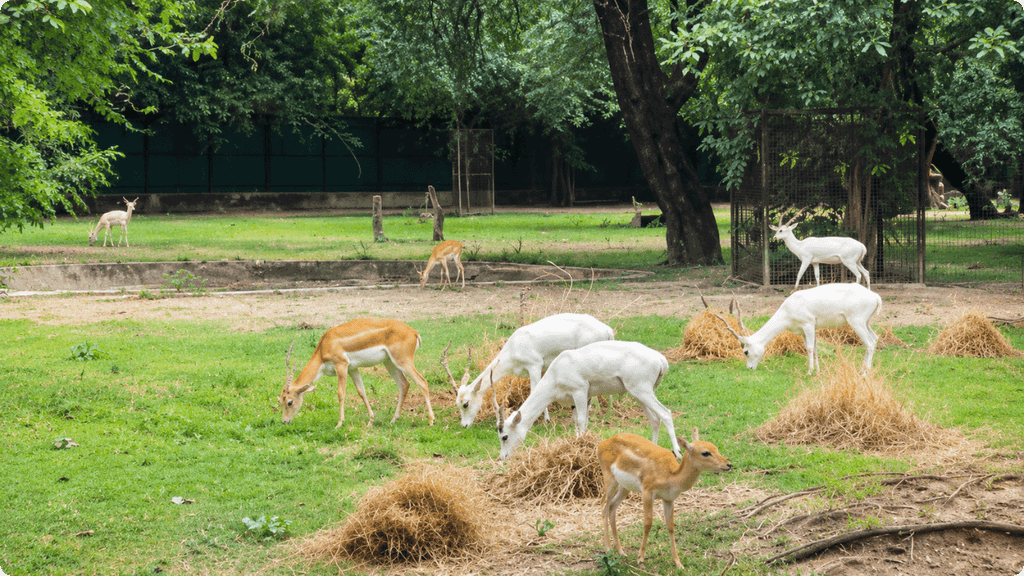
| Chinkara’s death, July 2026 | A chinkara reportedly died after its horns became entangled in cement bags inside its enclosure |
| White tigress | Concerns were raised after a hind-leg injury that required orthopaedic surgery |
The account of the jackal’s death is an allegation, not a finding.
The union also alleged that the carcass was disposed of without the zoo’s veterinarians being informed and without a post-mortem. The zoo’s director, Dr Sanjeet Kumar, said at the time that no such incident had been reported to him, that the joint director had been asked to inquire, and that the number of jackals on record matched the animals in the zoo’s holding and display areas.
In January 2026, charge of two of the zoo’s ranges was withdrawn from the officer who had been overseeing the operation, pending the inquiry. No findings have been made public. Meanwhile, the union has asked for an independent, court-monitored inquiry.
The question the tender raises
If a surveillance system was installed when these incidents occurred, the useful questions are not about how many cameras there are:
- Were the cameras covering those enclosures working on those dates?
- Was the footage kept, and for how long is footage normally stored before it is overwritten?
- Was anyone watching live, particularly at night?
- Who is allowed to retrieve footage, and is that recorded?
- Was the system under a maintenance contract in the period concerned, or had one lapsed?
None of these is answered in the tender or in any official statement located for this article. They are the questions an inquiry into any of the incidents would need to settle.
What cameras can do in a zoo, and what they cannot
What surveillance does well:
- Reconstructing events. When an animal is found injured or missing, footage can show what happened and when.
- Watching at night, when fewer staff are on the rounds and many animals are most active.
- Observing without disturbing. Births, illness and tension between animals can be followed from a control room.
- Deterring visitors who throw objects or climb barriers.
What it does not do:
- A camera does not respond. Footage of an animal leaving its enclosure helps only if someone sees it in time or an alert is raised.
- Motion alerts are hard to use around animals, which move constantly.
- Blind spots are where problems occur: dens, burrows, night shelters and service passages are often the least covered.
- Footage expires. Storage is finite, and a complaint made weeks later may arrive after the recording has been overwritten.
A surveillance system is a record and an extra pair of eyes. It does not replace keepers’ rounds, daily health checks or a clear line of responsibility when something goes wrong.
What an annual maintenance contract covers
A comprehensive contract of this kind typically makes the contractor responsible for keeping every part of the system running for the year: cameras, recorders, storage, network switches, cabling and power supply, with replacement parts included in the price.
For a zoo this matters more than it sounds. Cameras outdoors face heat, monsoon damp, dust, monkeys and rodents. Cables get cut. Without a contract in force, a failed camera can stay dark for a long time.
The tender’s requirement of data backup and recovery is also worth noting. Backup is what decides whether footage of an incident still exists when someone asks for it.
What would make this spending count
A maintenance contract keeps the equipment alive. Whether it improves the care of animals depends on what is built around it.
- A stated retention period for footage, long enough to outlast the time complaints usually take to surface
- A log of who views and exports footage
- Automatic preservation of recordings whenever an animal dies, escapes or is injured
- Coverage of night shelters and service areas, not only visitor-facing enclosures
- Uptime figures reported regularly, so that a dead camera is noticed before it is needed
None of this needs new hardware. It needs rules for using what is installed.
Where this stands
- The zoo has issued a one-year comprehensive maintenance tender for its CCTV system, valued at ₹34.27 lakh.
- The same figure has been reported alongside 488 cameras; the tender describes maintenance of an installed system.
- Bids close on 7 December 2026.
- The inquiry into the jackal’s death has not reported publicly.
- Whether existing cameras recorded any of the incidents has not been stated by the zoo.
If the cameras were already in place, what the past year asks is how they were used.
Pets News Network is India’s first dedicated media platform for the pet and animal industry. For breaking global pet news, brand coverage, and advertising enquiries, contact: info@petsnewsnetwork.com