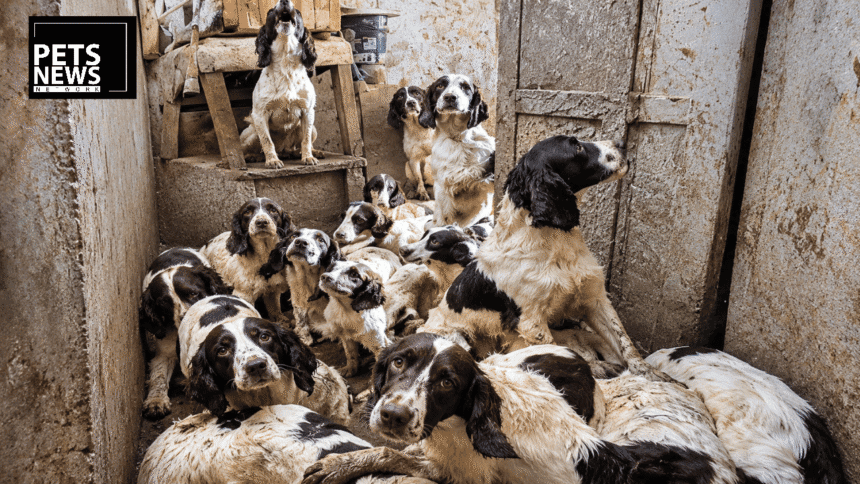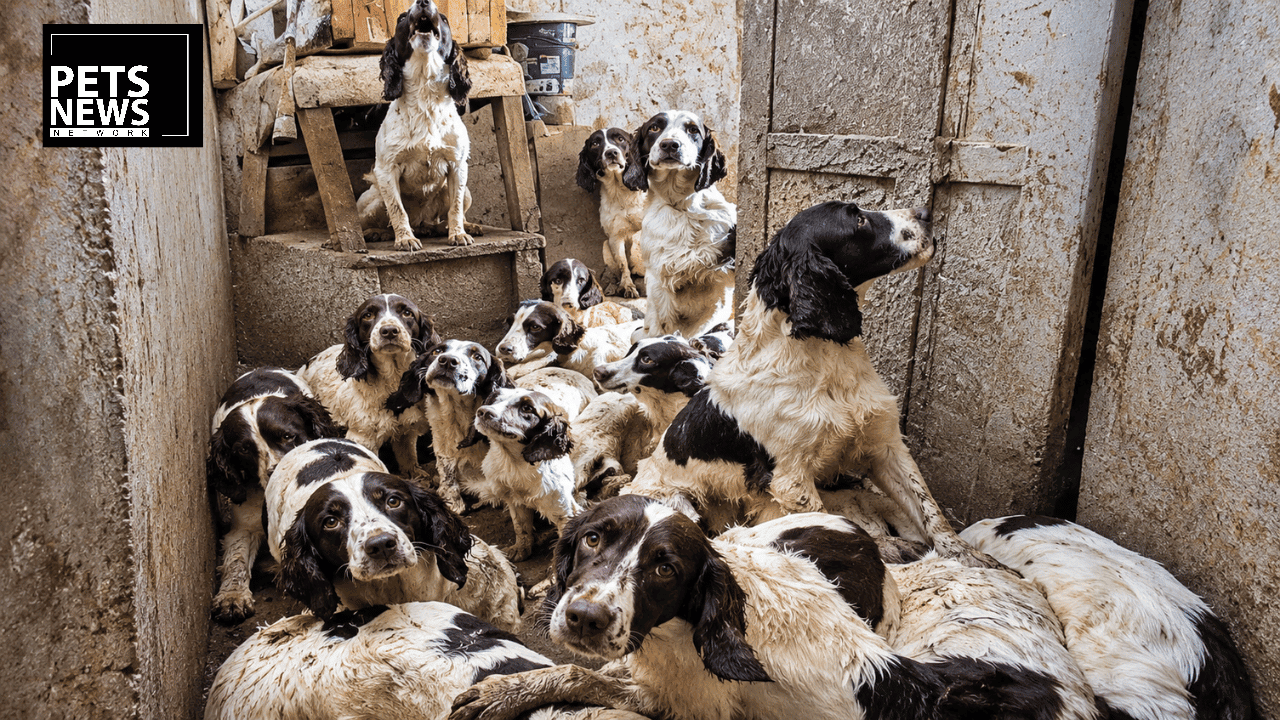

Dog breeder licensing has become a live political question on Prince Edward Island, Canada’s smallest province, after its humane society took in 84 seized dogs in a single operation this month. It was the second large seizure of the year. A petition with nearly 2,000 signatures now asks the province to license and inspect people who breed companion animals for sale. The case is a useful look at what breeder regulation actually consists of, and at how much it differs from one place to the next.
What happened
| Detail | What is reported |
|---|---|
| Where | Prince Edward Island (P.E.I.), Canada |
| February 2026 | 43 dogs taken into custody |
| Early November 2026 | 84 dogs seized in a second operation, under the province’s Animal Welfare Act |
| Total this year | More than 120 dogs |
| Who is caring for them | The P.E.I. Humane Society |
| The response | A petition of nearly 2,000 signatures, tabled in the provincial legislature |
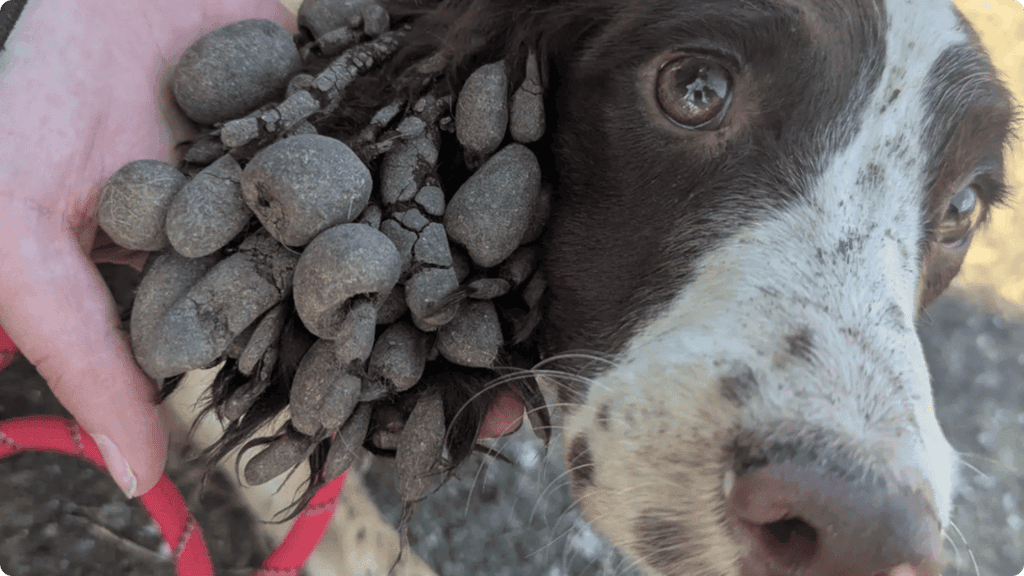
The 84 dogs ranged from a few days old to seniors. Four veterinarians, along with shelter staff and volunteers, worked through the intake. Ashley Travis, the society’s development and communications co-ordinator, described the day:
“It was really, really challenging to see that many animals coming in, in need of medical care all at one time.”
The shelter has spoken of mounting costs and has asked the public for donations.
What is known, and what is not
Known: two large groups of dogs were removed in the same year, the latest group needed veterinary attention on arrival, and the legal process is continuing.
Not established: that either case involved a breeder. Neither has been confirmed as a breeding operation, and the more recent investigation is still open. No charges have been reported. In addition, the society has said it cannot share the breeds or where the dogs were seized, and no account sets out the conditions they were found in.
The petition, in other words, has gained attention because of the seizures. It does not rest on a finding about who kept the dogs or why.
What the petition asks for
The petition was organised by the non-profit P.E.I. Cares, whose president is Karla Shalley. It asks the province to regulate the breeding of companion animals, and in particular for:
- Licensing of people who breed animals for sale
- Routine inspections of their premises
- Record-keeping requirements
Shalley has described the province’s Animal Welfare Act, in force since 2017, as fairly progressive when it was introduced, while arguing that it does not go far enough. She has said her group regularly hears about neglect on a very small scale, and that large seizures seem to have become more frequent.
What the law says now
P.E.I. has standards of care that apply to kennels. What it does not have is a licence that a breeder must hold before selling dogs.
The province’s Department of Agriculture has responded in a statement. It said that the existing law already requires breeders to meet national standards for animal health, housing and welfare, that complaints are investigated, and that legislation is reviewed regularly. The agriculture minister has separately said the department is willing to look at strengthening the Act if that is needed, without committing to a change.
So the disagreement is narrower than it first appears. Both sides accept that standards exist. The question is whether standards enforced after a complaint are enough, or whether someone should be checking before a complaint is ever made.
Three neighbouring provinces, three different rules
| Province | What is required |
|---|---|
| Prince Edward Island | Standards of care for kennels; no breeder-specific licence |
| New Brunswick | A licence, granted after an inspection, for breeders selling dogs |
| Nova Scotia | A veterinary health certificate when a dog or cat is sold |
Travis has suggested there is room to talk to other provinces about how they are strengthening their laws.
The table shows something that is true well beyond Atlantic Canada. “Breeder regulation” is not one thing. New Brunswick regulates the breeder. Nova Scotia regulates the sale. P.E.I. regulates the conditions, and relies largely on complaints to find out when they are not met.
Licence, inspection, records: what each one does
The petition’s three requests are often spoken of together, but they do different jobs.
A licence tells the authorities who is breeding. Without one, there is no list. Officials learn that a person keeps dozens of dogs only when a neighbour, a buyer or a vet reports it. A licence also gives the state something to take away, which is often a faster remedy than a prosecution.
An inspection tells them what conditions are like. A licence granted on paper says little. An inspection before the licence is issued, and at intervals afterwards, is what connects the document to the animals. However, an inspector sees one day, and sees only what is shown.
Records tell them what has happened in between. How many litters each female has had, how many puppies were born and sold, which vet has seen the dogs, and where each puppy went. Records make it possible to notice a female bred too often, or forty puppies sold from premises registered for ten dogs.
Each of the three covers a gap left by the others. That is why petitions of this kind tend to ask for all of them.
What a licensing system asks of everyone
Licensing is not free, and the costs fall in more than one place.
The province has to pay for inspectors, a register and someone to act on what inspections find. A licence that nobody checks changes very little.
Responsible breeders take on fees, paperwork and visits, even though they are not the people the rule is aimed at. In return, a licence gives them a way to show buyers they are legitimate.
The people the rule is aimed at may simply not apply. Any scheme therefore depends on a second step: a way of finding unlicensed sellers, usually through advertisements, veterinary reports and tips from buyers.
None of this is an argument against licensing. It is the reason the detail of a scheme matters more than its announcement.

What 84 dogs at once means for a shelter
A shelter is built and staffed for a steady flow: a few animals in, a few out. A large seizure breaks that model in several ways at the same moment.
- Every dog needs a veterinary examination, and many need treatment before anything else can happen.
- Every dog needs space, in a kennel or a foster home, and seized animals usually have to be assessed before they mix with others.
- The dogs cannot be rehomed yet. While a legal process is under way, seized animals generally remain in custody, and the shelter carries the cost of care for as long as that takes.
- Ordinary work does not stop. Strays, surrenders and cruelty calls keep arriving.
For these dogs, the timetable is set by the legal process, not by the shelter. The humane society has said their future is uncertain while that process runs, and it has not said when any of them might be available to new homes. Anyone hoping to adopt one should therefore watch for an announcement from the shelter itself.
How to check a breeder before you buy
Regulation varies by place, and enforcement against large commercial breeders often comes late, as a recent case involving more than 1,100 chinchillas in Ohio showed. A buyer anywhere can ask the same questions, and a responsible breeder expects them.
Visit the premises. See where the dogs live, not a living room prepared for visitors. A breeder who will only meet in a car park or deliver to your door is one to walk away from.
Meet the mother. She should be present, in good condition and comfortable around people.
Ask how many litters she has had, and how old she is. Vague answers matter.
Ask for veterinary records: vaccinations, deworming and any health screening relevant to the breed, with the vet’s name on them.
Ask what licence or registration applies locally, and to see it. Where none is required, that is useful to know too.
Expect questions in return. Good breeders ask about your home, your experience and your plans. Someone who asks only about payment is selling a product.
Never buy on the day you first visit. A breeder with nothing to hide will let you go home and think.
Where this stands
- More than 120 dogs have been seized on P.E.I. in 2026, 84 of them this month.
- Neither case has been confirmed to involve a breeder, and the latest investigation continues.
- A petition of nearly 2,000 signatures asking for licensing, inspections and record-keeping is before the legislature.
- The province says existing law already sets standards and is reviewed regularly.
- The dogs from the latest seizure remain in the humane society’s care while the legal process runs.
Pets News Network is India’s first dedicated media platform for the pet and animal industry. For breaking global pet news, brand coverage, and advertising enquiries, contact: info@petsnewsnetwork.com