
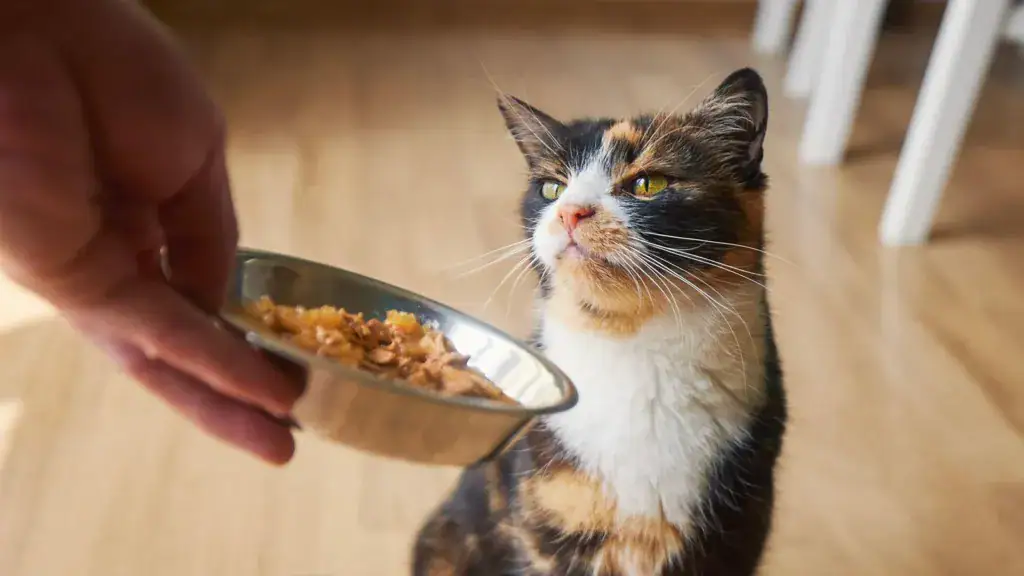

A new scientific study has revealed that microplastics are present in the majority of pet food products tested, sparking concerns about the growing reach of plastic pollution into the diets of companion animals.
Researchers from the Universities of Sussex and Exeter found traces of microplastics in 16 out of 19 pet food brands examined during the study. The findings suggest that dogs, cats, and even wildlife fed on processed food products may be routinely exposed to tiny plastic particles through their daily meals.
While scientists stress that more research is needed to understand the long-term health implications, the study has renewed calls for stricter monitoring of plastic contamination in food production.
What Are Microplastics?
Microplastics are extremely small fragments of plastic, generally measuring less than five millimetres in size. They originate from the breakdown of larger plastic materials and have become increasingly common in the environment.
Over the past decade, researchers have detected microplastics in oceans, rivers, soil, drinking water, and even the air people breathe. Now, evidence suggests that these particles are also making their way into pet food products consumed every day by millions of animals.
Cheaper Pet Foods Showed Higher Levels
One of the most notable findings from the research was the difference between premium and lower-cost pet food products.
According to the study, value-range foods marketed for dogs, cats, and wild animals generally contained higher concentrations of microplastics than more expensive alternatives. Researchers did not identify a single source responsible for the contamination but suggested that ingredient quality, manufacturing processes, or packaging materials could all play a role.
Scientists say further investigation will be necessary to determine exactly where the plastic particles are entering the production chain.
Wet Food May Lead to Greater Exposure
Interestingly, researchers discovered that although dry pet food often contained higher concentrations of microplastics, wet food could result in greater overall exposure.
This is because pets typically need to consume larger quantities of wet food to meet their daily energy requirements. As a result, the total number of microplastic particles ingested over time may be higher for animals fed predominantly wet diets.
The finding highlights how exposure levels cannot be judged solely by concentration measurements and must also take feeding habits into account.
Experts Call for Stronger Oversight
Following the publication of the research, scientists urged policymakers to introduce regulations requiring food manufacturers to test for microplastic contamination.
Researchers pointed out that food producers are already required to monitor chemical contamination under existing safety regulations. They argue that similar standards should eventually be considered for microplastics as scientific understanding continues to evolve.
The goal, experts say, is not to create alarm among pet owners but to improve transparency and gain a clearer picture of how widespread plastic contamination has become throughout the food supply chain.
What Do Authorities Say?
Government agencies and industry groups have emphasized that current evidence does not indicate an immediate threat to pet health.
Dr. James Cooper of the Food Standards Agency explained that authorities continue to review emerging research on microplastics in both human and animal food products. Based on available evidence, the agency currently considers it unlikely that the levels detected would cause harm, though assessments will continue as new data becomes available.
Officials also note that microplastics are not intentionally added to pet food and generally enter the environment through the breakdown of plastic materials over time.
Concerns Extend Beyond Pet Health
Scientists involved in the study believe the issue may have broader environmental consequences as well.
Professor Tamara Galloway, an ecotoxicology expert at the University of Exeter, said the findings serve as a reminder that pets are exposed to many of the same environmental pollutants as humans.
Researchers also suggested that pets could inadvertently contribute to the spread of microplastics into the environment through their waste, potentially affecting wildlife and ecosystems.
The discovery highlights how interconnected environmental pollution has become, extending from plastic production and disposal all the way into domestic households and pet care.
Industry Responds to Findings
Representatives from the pet food sector stressed that commercially prepared pet food remains safe to use.
Industry body UK Pet Food stated that member companies comply with all applicable food safety regulations and quality standards. The organization also pointed out that microplastics are a broader environmental challenge affecting many aspects of daily life, including food, drinking water, and air.
The group said it will continue working with scientists, regulators, and industry partners to review emerging research and improve understanding of the issue.
Where Else Could Pets Be Exposed?
Veterinary experts note that food may not be the only source of microplastic exposure for companion animals.
According to animal welfare professionals, pets may also encounter microplastics through plastic food bowls, bottled water, toys, bedding, and food packaging materials. However, there is currently limited information about which sources contribute the most exposure or how they might affect animals over their lifetimes.
This uncertainty underscores the need for further research into the cumulative effects of plastic pollution on pets.
The Bigger Picture
The study adds to a growing body of evidence showing how deeply plastic pollution has become embedded in everyday life. While researchers are not yet able to determine the exact health risks posed by microplastics in pet food, the findings highlight an area that warrants closer scientific attention.
For now, experts encourage pet owners to stay informed while recognizing that commercially prepared pet food continues to meet current safety standards. As research advances, scientists hope to better understand where contamination originates and what steps can be taken to reduce exposure for both pets and people.