


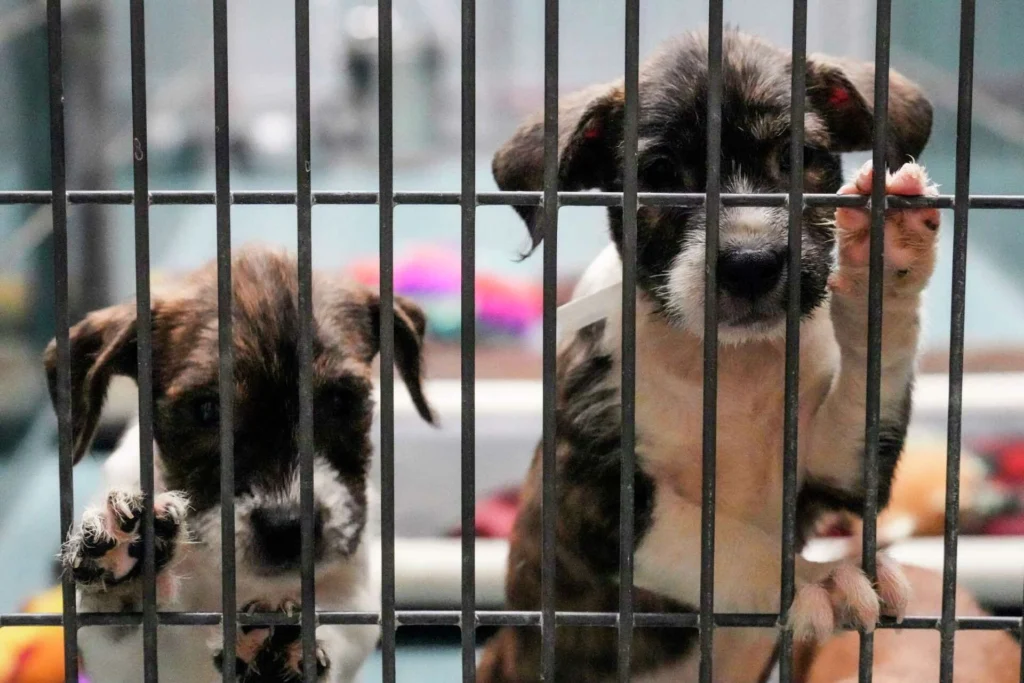
Houston is facing one of the most serious animal shelter crises in the United States, with shelters struggling to accommodate a growing number of homeless dogs and cats. Animal welfare organizations say overcrowding has reached critical levels, prompting renewed calls for pet adoption, responsible ownership, and expanded spay-and-neuter programs.
At the heart of the effort is BARC, the City of Houston’s Animal Shelter and Adoption Center, which cares for more than 20,000 animals every year regardless of their breed, age, health condition, or behavior. Despite ongoing rescue efforts, the shelter continues to experience heavy intake as abandoned, stray, and surrendered pets arrive faster than they can be adopted.
Why Houston’s Shelters Are Running Out of Space
Animal welfare experts say the crisis is being fueled by several interconnected factors. Houston’s warm climate allows animals to breed throughout the year, while affordable sterilization services remain out of reach for many communities. Rising living costs have also forced some families to surrender pets they can no longer afford to care for.
Adding to the challenge is the annual kitten and puppy season, when shelters receive a surge of newborn animals while adoption rates typically slow during the summer months. The result is a growing number of pets competing for limited kennel space.
BARC Launches Adoption Push
To ease overcrowding, BARC has partnered with the BISSELL Pet Foundation for the nationwide “Empty the Shelters” campaign, offering reduced adoption fees to encourage more families to adopt.
During the campaign, every adopted pet goes home already:
- Spayed or neutered
- Vaccinated
- Microchipped
- Registered with the City of Houston
The shelter has also expanded its adoption hours to make it easier for prospective pet parents to visit and meet animals waiting for homes. Officials hope these measures will create much-needed space for new arrivals while giving more pets a second chance.
A Bigger Problem Than Shelter Capacity
Animal welfare organizations stress that adoption alone cannot solve the problem.
According to experts, long-term progress depends on reducing the number of unwanted litters through affordable spay-and-neuter programs, public education, and responsible pet ownership. Without these preventive measures, shelters will continue to receive more animals than they can successfully rehome.
BARC officials say community involvement—from fostering animals to volunteering and supporting rescue organizations—plays a crucial role in improving outcomes for homeless pets.
Infrastructure Improvements Underway
Houston is also working to strengthen its animal welfare system through facility upgrades and increased staffing.
City officials have approved renovations at the existing shelter and are planning a larger facility designed to accommodate additional kennels. Partnerships with nonprofit organizations have helped boost adoptions, while outreach programs continue promoting vaccinations, microchipping, and affordable sterilization services across the region.
How the Public Can Help
Animal welfare groups say every adoption, foster home, or volunteer contributes to easing the burden on overcrowded shelters. Residents are also encouraged to have their own pets sterilized, ensure they are properly identified with microchips, and avoid abandoning unwanted animals.
As Houston continues battling one of the country’s largest homeless pet populations, organizations believe lasting progress will require cooperation between local authorities, rescue groups, veterinarians, and the community.
For thousands of dogs and cats currently waiting behind shelter doors, finding a loving family remains the most important step toward ending the crisis.