

A treatment routine millions of pet owners follow without a second thought is now facing serious scrutiny in the UK — and the pushback is coming from an unexpected place: Parliament’s own environment watchdogs.
The House of Lords Environment and Climate Change Committee has called for pet flea treatments to be banned from general sale, urging that spot-on products be restricted to veterinary dispensing only. The recommendation follows an extensive inquiry that heard mounting evidence linking these widely used products to serious environmental damage across UK waterways.
A Routine Treatment With a Hidden Cost
Spot-on treatments, designed to prevent flea and tick infestations by being applied directly to a pet’s fur and skin, are currently sold freely in supermarkets, pet shops, and online, with pet owners frequently advised to apply them monthly as a preventative measure.
But the committee found that this blanket, year-round usage isn’t backed by robust scientific evidence, and is instead contributing to a growing environmental crisis. Baroness Sheehan, who chairs the committee, didn’t mince words about the scale of the problem: “Our report raises serious questions and concerns about the environmental risks of pet flea and tick treatments as well as how they are sold to pet owners. Their overuse on household pets is the equivalent of using a sledgehammer to crack a nut.”
The Chemicals at the Centre of the Concern
Two active ingredients are drawing the most scrutiny: fipronil and imidacloprid, both commonly found in spot-on products. Both chemicals were already banned from agricultural use in the UK, in 2017 and 2018 respectively, after being found to devastate bee and pollinator populations. Yet both remain freely available in pet flea treatments.
The scale of contamination uncovered by the inquiry is striking. The Environment Agency has detected fipronil in around 95 percent of its water samples and imidacloprid in more than 65 percent, at concentrations its own scientists say are likely harming sensitive aquatic species. Because fipronil has never been used on English farmland, pet treatments are considered the most plausible source of that contamination.
Separately, researchers at Cardiff University sampled 62 locations across nine Welsh rivers over three years and found both chemicals in almost half of all samples — concentrations described by one researcher as “ecologically significant and toxic enough to start harming river wildlife.”
Pollution From Correct Use, Not Misuse
Perhaps the most uncomfortable finding to emerge from the committee’s evidence sessions is that this contamination isn’t happening because pet owners are misusing the products. Dr Rose Perkins, a practising vet and visiting fellow at the Grantham Institute, told the committee that government-funded research found no evidence that incorrect application or disposal was a meaningful source of the problem. The pollution is occurring through ordinary, careful use exactly as instructed.
Guy Woodward, a professor of ecology at Imperial College London, illustrated just how potent these chemicals are, telling the committee that the equivalent of two sugar cubes of concentrated imidacloprid would be enough to exceed safe environmental thresholds across roughly 400 Olympic-sized swimming pools.
The damage doesn’t stop at rivers, either. Researchers have found songbirds using flea-treatment-contaminated dog and cat fur to build their nests, with higher rates of unhatched eggs and dead chicks found in nests carrying higher concentrations of these chemicals.
Vets Say They Don’t Even Treat Their Own Pets This Way
One of the more revealing threads running through the committee’s evidence came from vets themselves. Dr Martin Whitehead of Chipping Norton Veterinary Hospital told the committee that almost all preventatively applied parasiticides were unnecessary, while Dr Elizabeth Mullineaux, senior vice-president of the British Veterinary Association, cited a survey of the association’s 20,000 members, in which 80 percent backed a ban on general sale and more than 70 percent agreed that blanket preventative treatment should stop.
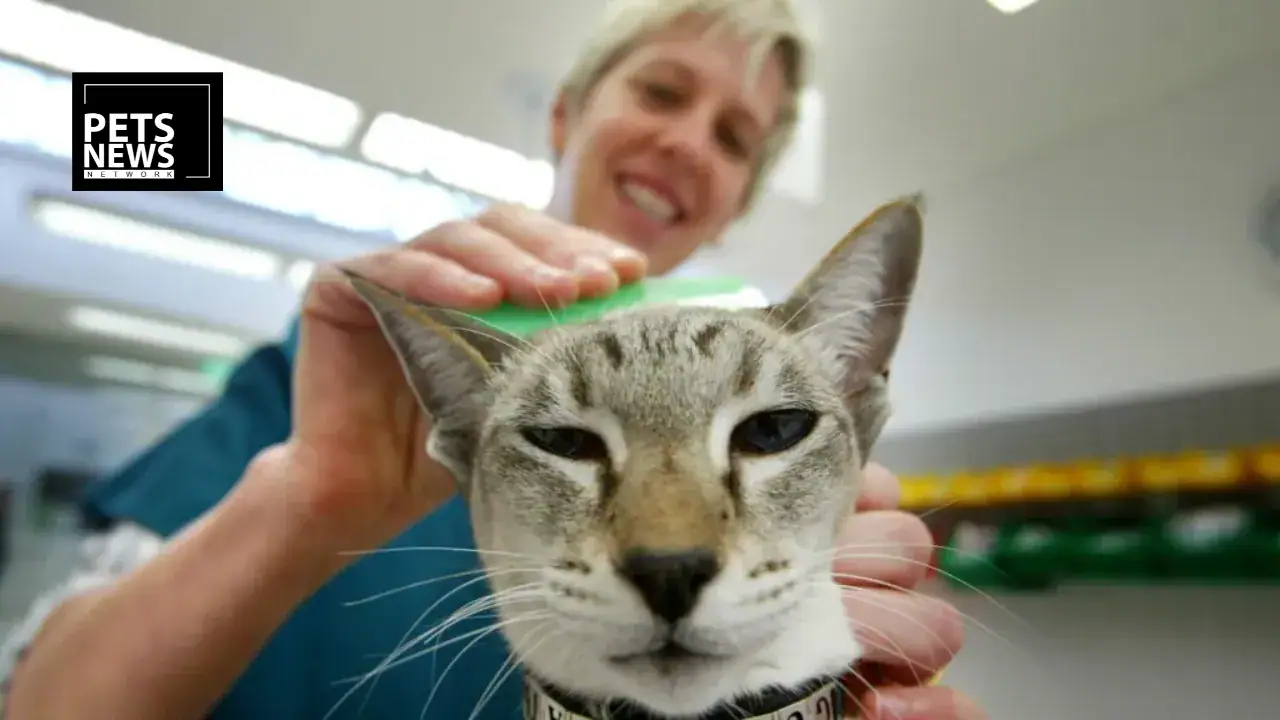
The committee heard that many vets don’t treat their own pets on a monthly schedule at all, instead relying on regular flea-comb checks and treating only when an actual infestation is found — a strikingly different approach from the routine, calendar-based treatment most pet owners are advised to follow.
What the Government Is Saying
For its part, the government has said it is continuing to assess the availability of these treatments to ensure correct usage by pet owners, though it has stopped short of committing to a general sale ban. DEFRA’s Cross-Government Pharmaceuticals in the Environment Group has already published a plan addressing chemical contamination from flea and tick treatments in UK waterways, and the Veterinary Medicines Directorate has commissioned further research into how these substances are reaching rivers and streams.
The committee, however, was blunt about the urgency of the issue. As one witness put it during evidence sessions, enough is already known to act: fipronil and imidacloprid were banned from agriculture on considerably less evidence than currently exists around their impact through pet flea treatments.
What This Means for Pet Owners
For millions of UK pet owners who have followed monthly preventative advice for years, this report signals a potential turning point. If the committee’s recommendations are adopted, spot-on treatments containing these chemicals could soon require a vet’s involvement rather than being a routine supermarket purchase — a shift that would bring pet parasite prevention closer in line with how many veterinary professionals already approach it: treating based on need, not on a fixed schedule.
Pets News Network is India’s first dedicated media platform for the pet and animal industry. For breaking global pet news, brand coverage, and advertising enquiries, contact: ankur@petsnewsnetwork.com