
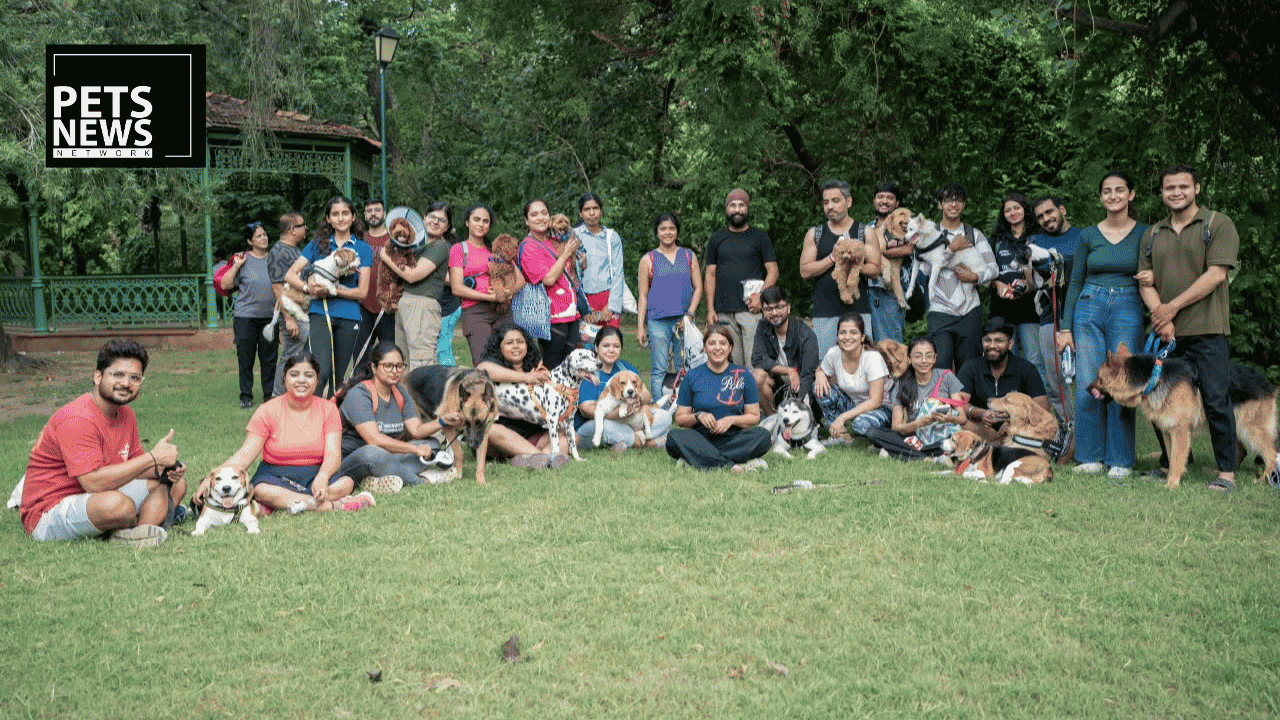

India’s pet industry has spent a decade growing around food, grooming and veterinary care. A newer layer is now forming on top: experiences. Pet-friendly stays, group walks, nature trails and curated getaways are turning pet parents’ free time into a business category of its own. SnootAbout, a Delhi-NCR venture that grew out of one founder’s walks with her dog Mishti, is one of the early companies building in that space.
From products to experiences
India’s pet care market was valued at about US$3.6 billion in 2024, according to a Redseer report cited by India Briefing, and Redseer expects it to double by 2028. The country is estimated to have around 100 million pets, including about 30 million in urban households (Livemint, as cited by India Briefing). Other projections run far higher. India Briefing also reports a forecast of INR 2.1 trillion (about US$25 billion) by 2032 at a 20% compound annual growth rate, but attributes it only to “market experts” without naming a source, so it is best treated as an optimistic estimate rather than a firm number.
Most of that spending still goes to food and healthcare. Mars Petcare, for example, has put INR 5 billion into expanding its Telangana facility, a sign of where the big capital is flowing. But the same analysis points to services such as grooming, insurance, wellness, travel and daycare as areas of growing demand. It also notes that pet tech, from GPS trackers to smart feeders, and affordable services in tier 2 and tier 3 cities are gaining ground, driven largely by millennial and Gen Z owners who treat pets as family.
That shift changes what pet parents ask for. Buying the right food is no longer the whole question. They also want somewhere to go with their dog on Sunday, and somewhere to stay when they travel.
What the demand signals show
Several data points suggest the demand is real, though they come from different sources and should be read as indicators rather than a single market measure.
| Signal | Figure | Source |
|---|---|---|
| Growth in pet-friendly accommodation listings in India (year on year) | 87% | Agoda data, reported by Skift (October 2025) |
| Pet-owning travellers choosing dog-friendly dining patios and restaurants | 64% | Booking.com survey, reported by Curly Tales (April 2026) |
| Pet-owning travellers sightseeing in pet-friendly city centres or towns | 59% | Booking.com survey, reported by Curly Tales (April 2026) |
| Pet owners open to hotels / open to vacation rentals and apartments | 62% / 61% | Booking.com survey, reported by Curly Tales (April 2026) |
| Travellers who took trips to rural areas or parks with their pets | 48% | Booking.com survey, reported by Curly Tales (April 2026) |
Andrew Smith, senior vice president of supply at Agoda, said travellers are “placing greater importance on finding stays that emphasize the comfort of their animal companions.”
India is not an outlier. The same Agoda data shows pet-friendly listings rising 102% in South Korea and 92% in Thailand, with Thailand ranking as the top pet-friendly destination in the data, followed by South Korea and Taiwan. Skift attributes the shift to millennial and Gen Z travellers, citing Allied Market Research. The pattern across Asia-Pacific is consistent: as pets move from the yard into the family, travel and hospitality follow.
Hospitality brands are starting to respond. According to Skift’s summary, Hyatt has launched a collaboration with actor Karisma Kapoor, and SaffronStays has introduced new premium apartments, both aimed at travellers who bring pets along.
A caution on the numbers: the Booking.com survey figures were reported by Curly Tales, which did not state the sample size or survey dates. Agoda’s figure is a percentage growth in listings, not an absolute count, so it shows direction rather than scale.
The gap the vertical fills
Listings are growing, but a listing is not an experience. A pet parent still has to work out which places genuinely welcome animals, what the rules are, whether the property has space to walk a dog, and whether other owners will be there. The “pet-friendly” label itself has no standard meaning, and it can cover anything from a tolerated small dog to a purpose-built stay. That discovery and trust problem is the opening for curated, community-led businesses.
It also explains why the model works as a business. A community of pet parents is a ready audience for destinations that want pet-travelling guests, and for brands that want to reach engaged owners. The company that organises the audience sits between both, and can charge for trips, memberships, partnerships or all three.
Compare that with the alternatives. A hotel can add a pet policy but rarely builds a community. A pet brand can sponsor an event but rarely runs a weekly routine. An experience company can do both: it creates the repeat habit, such as a Sunday walk, that keeps people in the community, and then sells higher-value experiences, such as getaways, to the people already in it.
Case study: SnootAbout
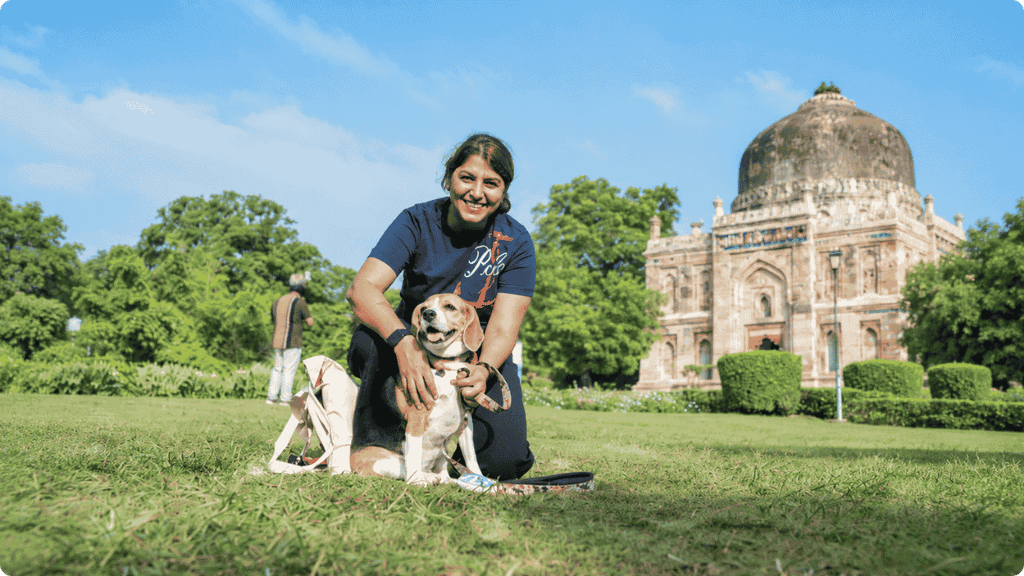
SnootAbout’s founder says the idea began with her own dog. Like most pet parents, she wanted more time with Mishti, exploring new places and taking road trips, and found how much was missing from truly pet-friendly experiences.
“I never imagined my pet, Mishti, would shape my journey as an entrepreneur so deeply.”
SnootAbout founderBefore SnootAbout was a company, it was a habit. Over the years she organised pet parents through walks, outdoor adventures, social gatherings and group getaways. One pattern kept repeating.
“People came for their pets, but somewhere along the way, they found their own tribe.”
SnootAbout founderShe says she watched strangers become friends, hesitant first-timers become regular explorers, and simple Sunday mornings turn into something everyone looked forward to. After years of understanding that community, she decided to build something of her own with a bigger vision.
Today the venture operates across Delhi-NCR with four formats:
| Format | What it is |
|---|---|
| Sunday walks | A regular weekend routine for pet parents and their pets |
| Nature trails | Outdoor outings designed around pets |
| Social experiences | Gatherings to connect and make new friends |
| Curated getaways | Planned pet-friendly trips |
The formats form a ladder. The Sunday walk is the low-commitment entry point: easy to try, easy to repeat. Trails and social events deepen the relationships. Getaways are the premium product, and the one closest to the travel and hospitality demand described above. Pet parents join through The Snoot Club, the community at the centre of the venture, to take part in upcoming experiences.
Where it is headed
The founder says the plan goes beyond weekend outings:
“I want to make pet-friendly travel and hospitality more inclusive, bringing together pet parents, brands, and destinations to create experiences worth sharing.”
SnootAbout founder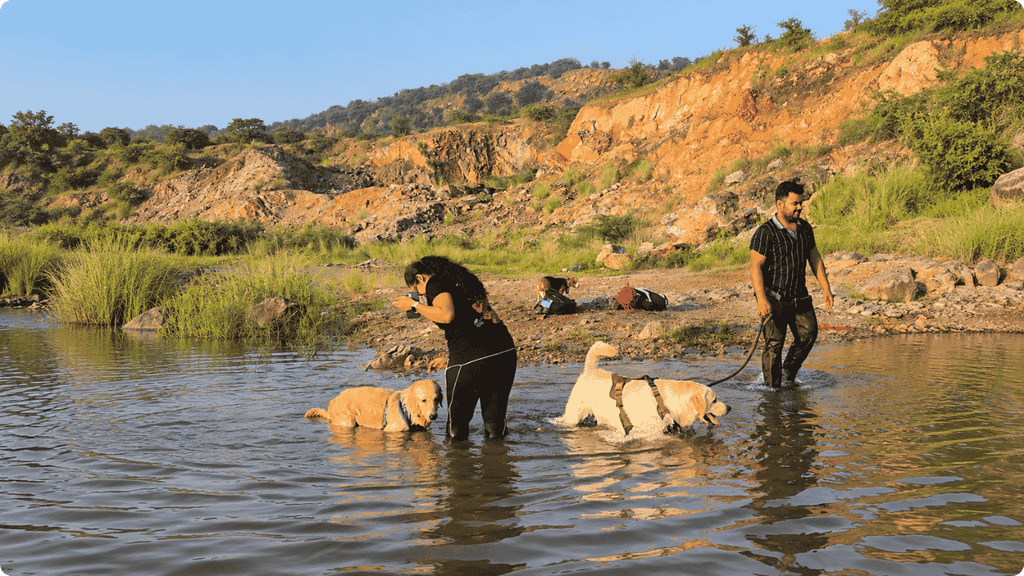
SnootAbout is starting in Delhi-NCR, with plans to explore new destinations, introduce more curated experiences and eventually expand to other cities. The word “inclusive” matters in that vision. It suggests a model where pet parents, whatever their pet or experience level, can take part, and where destinations and brands are brought in as partners rather than simply as venues or sponsors.
Through it all, the founder says Mishti remains her biggest inspiration, adding that the dog has absolutely no idea what she has started. She describes SnootAbout as still young, but says “the dream is anything but small.”
Who else is building in this space
SnootAbout is not alone. Other Indian businesses operating in the pet experiences space include:
- Furgetaway
- HollyBoo Pet Ventures
- Pet Fed
- SaffronStays
What to watch
Three questions will decide how big this vertical becomes.
Will hospitality design for pets, or just allow them? Operators that add pet beds, safe outdoor space and clear rules will earn repeat guests. Those that only add a line to their policy will keep generating the vague “pet-friendly” listings that frustrate owners.
Can community turn into revenue? Attendance is not income. The companies that last will need to convert regular participants into paying customers through memberships, trips and brand partnerships, without losing the informal feel that made people join in the first place.
Will the model travel? The pet population is growing across tier 2 and tier 3 cities, but pet-friendly infrastructure there is thinner. A format built around Delhi-NCR’s parks, trails and weekend getaways will need local partners and local trust in every new city.
There are practical risks too. Group outings with animals raise questions about safety, veterinary backup and liability, and any operator in this space has to manage them as seriously as the experience itself. Those are challenges for the whole vertical, not for any one company.
For now, SnootAbout is one of several early signs that pet parents’ leisure time has become a market. Details about SnootAbout’s activities and plans are as stated by its founder and have not been independently verified
Pets News Network is India’s first dedicated media platform for the pet and animal industry. For breaking global pet news, brand coverage, and advertising enquiries, contact: info@petsnewsnetwork.com