
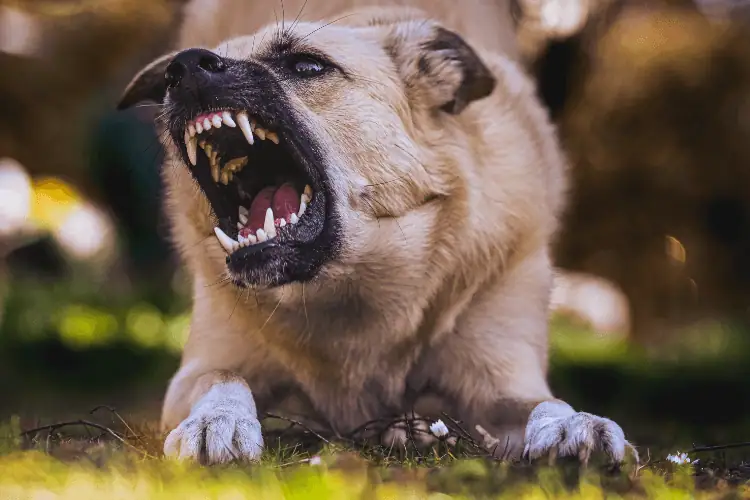

When people ask about dog bite force, they usually expect a simple ranking. But after years of treating dogs in clinical settings, the answer is more interesting — and more nuanced — than most people expect.
What Is Bite Force and How Is It Measured?
Bite force is measured in PSI (pounds per square inch). A higher PSI generally means:
- Greater ability to crush bone
- More severe tissue damage if a bite occurs
- Stronger jaw muscles and skull structure
But here is the most important thing to understand: a strong bite does not mean a more dangerous dog. Temperament, training, and environment matter far more than any number.
Top 5 Dogs With the Strongest Bite Force
1. 🥇 Kangal — Up to 700+ PSI
The strongest bite force of any domestic dog breed. Originally bred to protect livestock from wolves and predators in Turkey. Calm and steady by nature — but built for serious work.
2. 🥈 Cane Corso — 650–700 PSI
Powerful and efficient. These dogs do not gnaw — they crush. A Cane Corso can crack a thick marrow bone that most dogs cannot dent.
3. 🥉 Rottweiler — 300–330 PSI
Strong gripping tendency makes bites particularly severe. Well known for loyalty and protectiveness when properly trained.
4. German Shepherd — 230–290 PSI
Widely used in police and military roles. What sets them apart is not just bite strength — it is control. A well-trained German Shepherd bites on command and releases instantly.
5. American Pit Bull Terrier — ~235 PSI
Bite force is not exceptionally high — but jaw stamina and determination can make bites more damaging than the PSI suggests.
The Biggest Mistake Pet Owners Make
Many people assume high bite force = aggressive dog. That is simply not accurate.
A large guardian breed with one of the strongest bite forces can be calm, gentle, and easy to handle in a clinic. Meanwhile, a small mixed-breed terrier may need full restraint just for a routine ear examination.
Aggression is behavioural. Bite force is physical. They are not the same thing.
Thinking of Owning a Strong-Jawed Breed?
These dogs thrive with:
- ✅ Early and consistent training
- ✅ Clear boundaries from day one
- ✅ An experienced owner who understands canine behaviour
The biggest problems arise when powerful breeds are chosen for status rather than suitability — and end up undertrained and unmanageable despite not being aggressive at all.
Conclusion
Bite force is a fascinating biological trait — but it is not a measure of danger. A well-trained dog with a powerful jaw is far safer than an untrained dog with a weak one.
If you are considering a strong-jawed breed, go in prepared, not fearful. With the right training and ownership, these dogs are among the most loyal and impressive companions in the world. 🐾
Follow our blog for more expert pet care guides and dog breed insights.