
A Birthday Gift From the Forest Itself
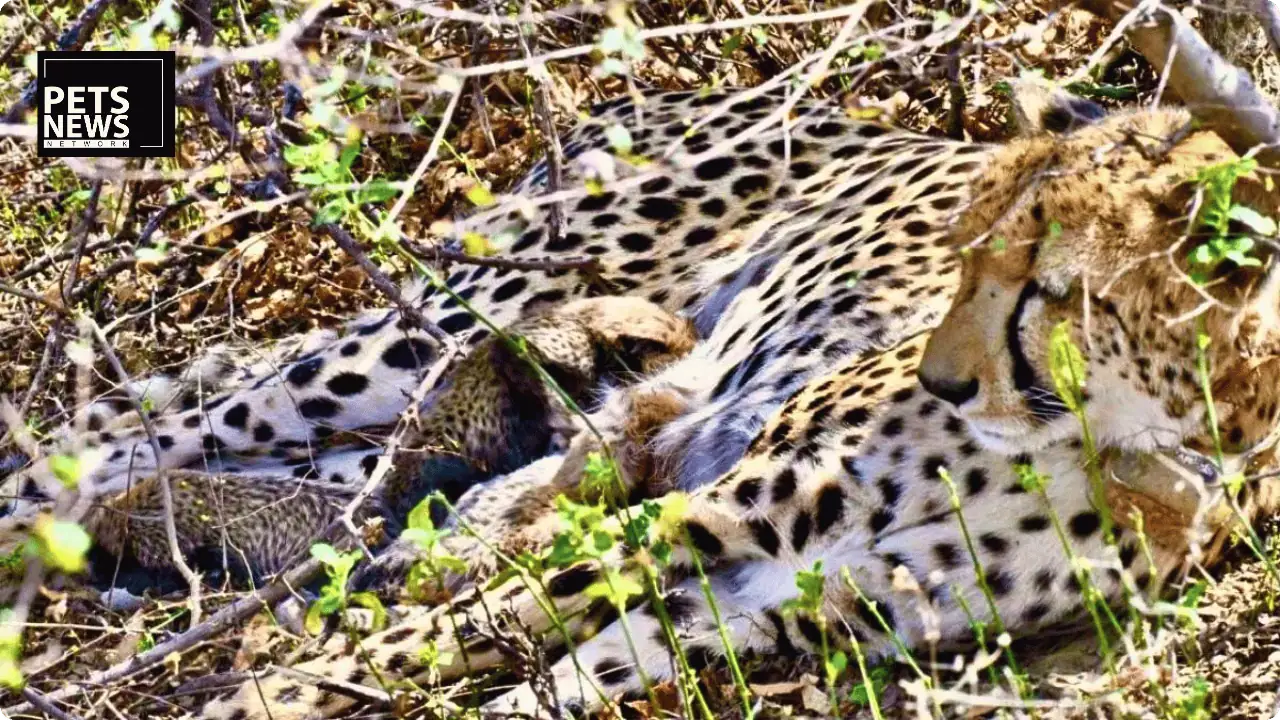
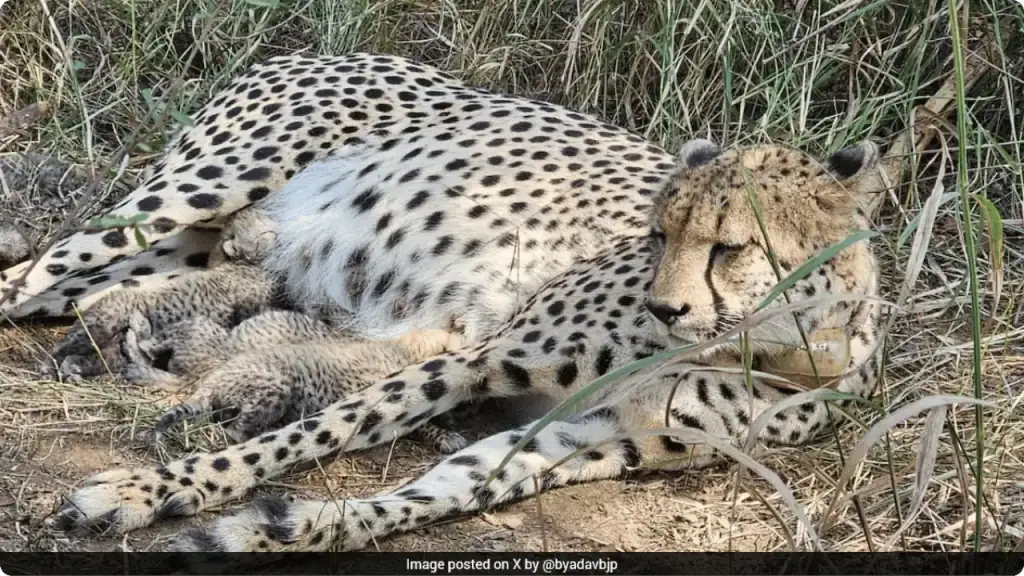
Project Cheetah marked its fourth anniversary in India on September 17, 2026. The very next day, as if the forest itself had timed the occasion, an India-born female cheetah named KGP12 gave birth to four healthy cubs at Kuno National Park in Madhya Pradesh, a moment Union Environment Minister Bhupender Yadav called “a truly historic and joyous moment” for the entire programme.
For a conservation effort built around resurrecting a species India had officially declared extinct back in 1952, the timing carried genuine symbolic weight. But beyond the symbolism, this particular birth represents something scientifically significant: further, concrete proof that India’s reintroduced cheetahs aren’t just surviving on Indian soil, they’re successfully reproducing across generations.
Who Is KGP12?
KGP12 isn’t a newcomer to Project Cheetah’s story, she’s very much a product of it. Born at Kuno on March 10, 2024, as the second female cub in a litter delivered by Gamini, one of the South African cheetahs originally brought to India, KGP12 represents exactly the kind of second-generation success story the programme has been working toward since its inception.
This latest litter is actually KGP12’s second attempt at motherhood, and the story behind her first attempt makes this second birth considerably more meaningful. In April 2026, KGP12 gave birth to her first litter, also four cubs, marking, at the time, the first litter recorded from an India-born cheetah breeding entirely under open forest conditions rather than within a controlled enclosure. Madhya Pradesh’s Chief Wildlife Warden Samita Rajora described that April birth as exactly the kind of benchmark success the project had been waiting for.
Tragically, that first litter didn’t survive. Within a month, all four cubs were found dead inside the park, their bodies partially eaten, with Kuno’s Field Director suggesting the likely cause was a leopard attack. It was a painful reminder that reintroducing a species into a landscape it hasn’t occupied in decades comes with genuine, unpredictable risks, even after a successful natural birth.
Why This Second Litter Matters So Much More
Given that backdrop, KGP12 successfully carrying and delivering a second litter just months after losing her first is being read within the programme as a genuinely important sign of resilience, both for KGP12 individually and for the broader reintroduction effort. Uttam Sharma, Kuno’s Field Director, confirmed that forest staff spotted the new cubs the day after birth and are now monitoring them carefully from a distance, deliberately avoiding close contact to prevent disturbing the mother during this critical early period.
Sharma also noted a detail that speaks to the programme’s growing depth of success: KGP12 is only the second India-born female cheetah to give birth at Kuno, following an earlier birth by another India-born female named Mukhi. Two separate India-born females successfully reproducing marks a meaningful expansion beyond the reintroduced South African founders alone, showing early signs of a genuinely self-sustaining, multi-generational population taking root.
What the Numbers Actually Show
With this new litter, India’s total cheetah population has risen to 56 animals, including 36 born on Indian soil since the programme began, a striking ratio suggesting that natural, in-country breeding is increasingly outpacing the original number of animals physically brought into the country.
The current population is split across two locations. The majority, somewhere between 49 and 53 cheetahs depending on the exact count cited, reside at Kuno National Park itself, while the remainder live at the Gandhi Sagar Wildlife Sanctuary, a second site brought into the programme specifically to expand the cheetahs’ available range and reduce pressure on Kuno alone as the sole reintroduction site.
Within Kuno’s population, roughly 17 adult cheetahs currently roam freely in the open wild, having been released from the soft-release enclosures, known as bomas, that all cheetahs pass through initially. The remaining animals, including younger cubs still building the strength and skills needed for independent survival, continue to be monitored within these enclosures before eventual release.
From Namibia to a Self-Sustaining Population
It’s worth remembering how recently this entire effort began. On September 17, 2022, Prime Minister Narendra Modi personally released the first eight cheetahs, brought from Namibia, into Kuno’s enclosures, marking the formal start of what remains the world’s first attempt at intercontinental large carnivore translocation. A second batch of 12 cheetahs arrived from South Africa in February 2023.
Since then, the programme has moved through a series of increasingly significant milestones: the first cub births on Indian soil, the first release of cheetahs directly into open forest rather than enclosures, and now, successive generations of India-born cheetahs successfully breeding on their own. Kuno National Park’s own assessment of this latest milestone captures the significance succinctly: “Four years on, the establishment of breeding females and survival of second-generation cubs marks an important consolidation phase in India’s cheetah reintroduction programme.”
What “Consolidation Phase” Actually Means
That phrase, consolidation phase, matters more than it might initially sound. Early-stage reintroduction programmes typically focus on basic survival, keeping translocated animals alive and adapted to a new environment. The next stage tests whether those animals can successfully reproduce at all. The stage this programme now appears to be entering tests something even more demanding: whether second-generation, India-born offspring can themselves mature, adapt, and reproduce successfully, entirely independent of the original founding population’s direct involvement.
KGP12’s journey, born in India, surviving to adulthood, successfully mating, and now delivering a second litter despite losing her first, is essentially a live case study of exactly that consolidation process playing out in real time.
A Cautious, Genuine Celebration
None of this erases the very real risks cheetahs in Kuno continue to face, predation from established competitors like leopards remains a genuine, ongoing threat, as KGP12’s own tragic first litter demonstrated just months ago. Conservation success in a reintroduction programme of this scale and ambition is rarely a clean, linear story, it’s built from exactly this pattern: genuine losses alongside genuine breakthroughs, both feeding into a broader, still-unfolding picture of whether cheetahs can permanently reestablish themselves in India after a seven-decade absence.
For now, though, the story is a genuinely hopeful one. Four years after Project Cheetah began, and just one day after marking that anniversary, four new cheetah cubs are alive in Kuno National Park, born to a mother who has already shown, through loss and recovery both, exactly the kind of resilience this ambitious conservation effort has been counting on all along.
Pets News Network is India’s first dedicated media platform for the pet and animal industry. For breaking global pet news, brand coverage, and advertising enquiries, contact: info@petsnewsnetwork.com