
By using this site, you agree to the Privacy Policy and Terms of Use.
Accept
PNN Logo - Pets News Network PNN Logo - Pets News Network
  • World
    Nestlé Purina Pours CHF 157 Million Into Thailand as Asia's Pet Food Boom Accelerates
    BrandingBreaking NewsDaily DigestGlobal Pet NewsIndustry InsiderInvestmentPet Business & Finance

    Nestlé Purina Pours CHF 157 Million Into Thailand as Asia’s Pet Food Boom Accelerates

    By
    PetsNews
    10 Min Read
    Chihuahua Dethrones Labrador as America's Most Popular Dog Breed for the First Time
    BlogDaily DigestDog BreedsGlobal Pet NewsPet CarePet Education

    Chihuahua Dethrones Labrador as America’s Most Popular Dog Breed for the First Time

    By
    PetsNews
    September 14, 2026
    10,000 Dogs, 90 Days of Force-Feeding Pesticides, and a Study That Says Most of It Was Pointless
    Animal Rescue & WelfareBreaking NewsDaily DigestGlobal Pet NewsPet Safety

    10,000 Dogs, 90 Days of Force-Feeding Pesticides, and a Study That Says Most of It Was Pointless

    By
    PetsNews
    September 13, 2026
  • Pet Technology
    Meet Chloe: The Rescue Dog Learning to Sniff Out Cancer With a Little Help From AI
    Daily DigestPet EducationPet HealthPet InnovationPet SafetyPet TechResearchTechnology

    Meet Chloe: The Rescue Dog Learning to Sniff Out Cancer With a Little Help From AI

    Bengaluru startup Dognosis pairs trained dogs with AI to detect cancer from…

    By
    PetsNews
    10 Min Read
    She Was Being Treated for Epilepsy, the Real Diagnosis Was Hiding in Plain Sight
    Daily DigestPet CarePet HealthPet Parent GuidesPet SafetyResearchTreatment & Health
    She Was Being Treated for Epilepsy, the Real Diagnosis Was Hiding in Plain Sight
    Four Years, Four New Lives: India-Born Cheetah's Cubs Mark a Turning Point for Project Cheetah
    Animal Rescue & WelfareDaily DigestPet CarePet HealthPet SafetyWildlife
    Four Years, Four New Lives: India-Born Cheetah’s Cubs Mark a Turning Point for Project Cheetah
    The Diabetic Cat That Isn't Responding to Insulin Might Have a Hidden Tumour
    Daily DigestPet CarePet EducationPet HealthPet LifestylePet Parent GuidesPet Safety
    The Diabetic Cat That Isn’t Responding to Insulin Might Have a Hidden Tumour
    Nashik Protesters Dump Puppies on Officer's Desk, Then Face the Law
    Breaking NewsDaily DigestGovernment PolicyGovernment RulePet CarePet SafetyPolicy & Law
    Nashik Protesters Dump Puppies on Officer’s Desk, Then Face the Law
  • Pet Insider

    How to Remove Plaque From Your Dog’s Teeth- A Simple Vet-Approved Guide.

    Two Minutes a Day Keeps the Vet Bill Away — Your Dog's Dental Care Routine Starts…

    By
    PetsNews

    Which Dogs Have the Strongest Bite Force? A Vet’s Honest Guide.

    Powerful Jaws, Misunderstood Dogs — The Truth About Bite Force Every Owner Should Know

    By
    PetsNews

    How to Check if Your Cat Has Eyelashes- What Every Cat Owner Should Know

    Look Closer — Your Cat's Eyes Are Hiding Something Important

    By
    PetsNews

    The New Rules of Pet Care: How Investors and Founders Are Shaping India’s Booming Pet Industry

    Founders With Heart, Investors With Data — Who Will Shape India's Pet Industry?

    By
    PetsNews

    Chronic Kidney Disease in Dogs: Symptoms, Treatment, Diet, and How to Give Your Dog a Better Quality of Life.

    When Your Dog's Kidneys Start to Fail — Here's What Every Pet Owner Must Know

    By
    PetsNews

    Urinary Bladder Stones in Dogs: Types, Symptoms, Diagnosis, and Treatment Guide for Pet Parents.

    That Sad, Tired Look Could Mean More Than a Bad Day — Know the Signs of…

    By
    PetsNews

    Dog Vaccination Schedule in India, The Complete Guide Every Pet Parent Needs in 2025.

    One Small Injection — A Lifetime of Protection for Your Dog

    By
    PetsNews

    Neutering (Castration) in Dogs- Methods, Timing, Benefits, Risks, and Everything Pet Parents Need to Know.

    He Is Looking to You for the Right Decision — Everything You Need to Know About…

    By
    PetsNews
  • Blog Index
  • Contact US
  • My Bookmarks
Reading: India’s “Tiger State” Wants More Elephants, Here’s Why MP Is Asking Four States to Share Their Jumbos
Sign In
  • Join US
Pets News NetworkPets News Network
Font ResizerAa
  • Pet Business & Finance
  • Animal Rescue & Welfare
  • Entertainment
  • Pet Food Science
  • Technology
  • Industry Insider
Search
  • Technology
  • Entertainment
  • Animal Rescue & Welfare
  • Industry Insider
  • Pet Business & Finance
  • Pet Food Science
  • Pet Health
Have an existing account? Sign In
Follow US
© Pets News Network 2026. All Rights Reserved.
India's "Tiger State" Wants More Elephants, Here's Why MP Is Asking Four States to Share Their Jumbos
Animal Rescue & WelfareBlogDaily DigestPet CarePet SafetyWildlife

India’s “Tiger State” Wants More Elephants, Here’s Why MP Is Asking Four States to Share Their Jumbos

PetsNews
Last updated: September 17, 2026 1:08 pm
By
PetsNews
9 Min Read
Share
SHARE

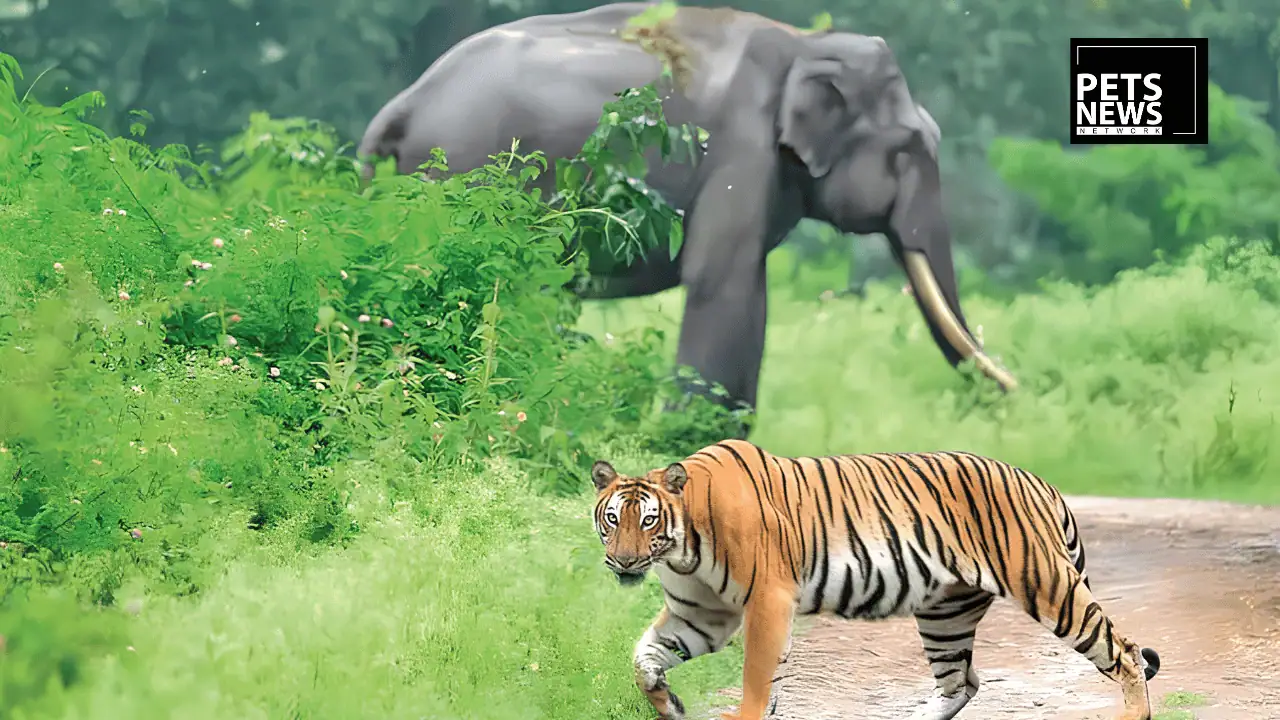
Madhya Pradesh has built its national identity around tigers, it’s officially recognised as India’s “Tiger State,” home to some of the country’s most significant reserves, including Bandhavgarh, Kanha, Panna, Pench, and Satpura. But protecting that tiger population, it turns out, depends heavily on an entirely different species: trained, captive elephants.

Contents
What Elephants Actually Do in a Tiger ReserveThe Scale of MP’s ShortageWhat MP Is Actually Asking ForThis Isn’t MP’s First Time Doing ThisThe Welfare Dimension Behind Elephant RelocationWhy Inter-State Cooperation Matters HereWhat Happens Next

In a move that highlights just how central these working animals are to modern conservation, Sameeta Rajora, Madhya Pradesh’s Principal Chief Conservator of Forests (Wildlife) and Chief Wildlife Warden, has formally written to her counterparts in Tamil Nadu, Kerala, Assam, and West Bengal, asking them to evaluate their state elephant camps for spare, healthy, trained animals that could be transferred to strengthen MP’s forest network.

What Elephants Actually Do in a Tiger Reserve

It might seem counterintuitive that protecting tigers requires elephants, but the operational logic is straightforward once you understand the terrain these reserves cover. MP’s tiger reserves span vast, often rugged and densely forested landscapes, exactly the kind of terrain where standard patrol vehicles and foot personnel face serious limitations, particularly during monsoon months when unpaved forest tracks become genuinely impassable for wheeled vehicles.

Captive elephants fill that gap directly. They’re used for:

  • Routine patrolling across terrain vehicles simply cannot navigate, giving forest staff reach into areas that would otherwise go unmonitored for extended stretches
  • Tracking tiger movements, an essential part of ongoing population monitoring and conservation management within reserve boundaries
  • Emergency response and rescue operations, including situations requiring rapid access to remote or difficult terrain
  • Managing human-wildlife conflict, helping forest teams safely intervene when tigers, elephants, or other wildlife move into or near human settlements

In effect, trained elephants function as a piece of essential conservation infrastructure, not unlike a specialised all-terrain vehicle, except one capable of navigating monsoon-flooded forest tracks, dense undergrowth, and steep terrain that no engineered vehicle could reliably handle.


The Scale of MP’s Shortage

This isn’t a new problem for Madhya Pradesh. The state’s forest department has grappled with an elephant shortage for years, a gap that becomes especially visible when even a small number of animals go temporarily out of service. Reserve officials have previously noted situations where, out of a modest reserve of trained elephants, only a handful remain available for active patrol duty at any given time, with others sidelined due to retirement, pregnancy, or age-related limitations.

Given how essential these animals are to daily reserve operations, even a small shortfall in available, healthy, working elephants can meaningfully affect a reserve’s ability to patrol effectively, respond quickly to emergencies, and keep consistent tabs on tiger movements across its full territory.


What MP Is Actually Asking For

Rajora’s outreach to Tamil Nadu, Kerala, Assam, and West Bengal isn’t a vague request for “some elephants.” It’s a structured ask for detailed candidate profiles, reflecting a genuinely careful, welfare-conscious approach to what amounts to relocating large, intelligent, socially complex animals across state lines.

The requested information includes each candidate elephant’s:

  • Age and gender
  • Microchip identification, ensuring each animal’s identity and record history is properly documented and traceable
  • Health status, a critical factor given the physical demands of patrol and rescue work
  • Behavioural temperament, since not every trained elephant is necessarily suited to a new environment, a new mahout, or the specific demands of tiger reserve patrol work

This level of detail matters. Elephants aren’t interchangeable equipment, each animal carries its own health history, temperament, and training background, and matching the right animals to MP’s specific reserve needs requires genuinely careful evaluation rather than simply accepting whichever elephants happen to be available.

This Isn’t MP’s First Time Doing This

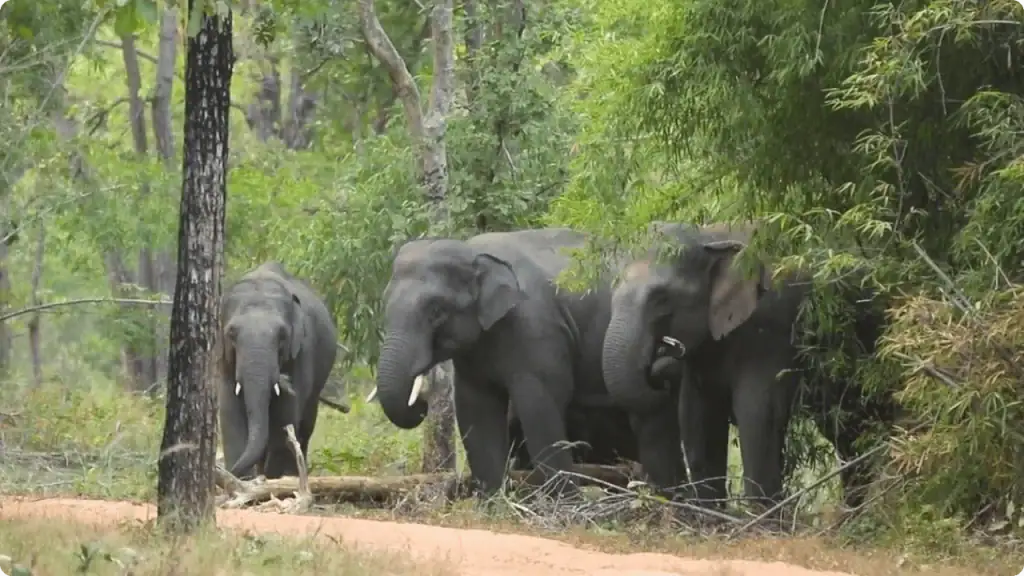
Perhaps the most reassuring aspect of this latest request is that it isn’t uncharted territory. Madhya Pradesh has successfully executed this kind of inter-state elephant transfer before. In an earlier, well-documented transfer, the state secured 11 trained captive elephants from Karnataka, three tuskers and eight females, sourced from established elephant camps at Ramapura (Bandipur), Dubare, and Hebbala and Murkal (Nagarahole), following formal requests and the necessary Union government clearances.

Those elephants were subsequently deployed exactly where this new request aims to strengthen coverage: the tiger reserves of Panna, Satpura, Kanha, Bandhavgarh, and Pench. That transfer proceeded only after Karnataka’s state government formally clarified, in an affidavit before the High Court, that the animals involved were trained, captive elephants rather than wild ones, and that the transfer was specifically for tiger reserve management purposes rather than any commercial sale, addressing legal concerns raised under the Wildlife Protection Act.

This established precedent gives the current outreach to four additional states a proven operational template to follow, rather than requiring an entirely new legal and logistical framework to be built from scratch.


The Welfare Dimension Behind Elephant Relocation

Moving elephants across state lines, and often across significantly different climates and terrains, is not something conservation authorities take lightly, nor should they. Karnataka’s earlier transfer to MP specifically addressed concerns that the animals might struggle with Madhya Pradesh’s climate, with state officials pointing out that elephants already thrive in parts of central India, including areas like Shahdol and Amarkantak, and that MP’s forest camps had a demonstrated track record of caring for elephants well.

Successful relocations also typically involve mahouts travelling alongside the elephants for an acclimatisation period, helping the animals adjust to new surroundings while training local handling staff in the process, a detail that reflects genuine attentiveness to the animals’ psychological and physical wellbeing during what is undeniably a significant life transition for any elephant.


Why Inter-State Cooperation Matters Here

This kind of cross-state wildlife resource sharing reflects something valuable in India’s broader conservation ecosystem: state forest departments working collaboratively rather than each state trying to solve its own specific gaps in isolation. States like Karnataka, with a larger existing captive elephant population across multiple camps, have periodically been able to support states like Madhya Pradesh, Kerala, Goa, and even Bihar and Uttarakhand, each of which has separately sought captive elephants for their own tiger reserve patrolling needs over the years.

That pattern of cooperation, formal requests, detailed animal evaluation, government clearances, and careful, welfare-focused relocation, offers a genuinely constructive model for how India’s forest departments can pool and share specialised conservation resources across state boundaries, rather than each region needing to independently build out its own complete elephant management capacity from the ground up.


What Happens Next

With formal requests now sent to Tamil Nadu, Kerala, Assam, and West Bengal, the process moving forward will likely mirror the Karnataka precedent: each state’s forest department reviewing its own camps for genuinely spare, healthy, well-suited elephants, followed by detailed profile-sharing, necessary government clearances, and eventually, if all goes well, the careful, mahout-accompanied transfer of animals to strengthen Madhya Pradesh’s tiger reserve network.

For a state whose national reputation rests so heavily on its tiger population, this latest elephant outreach is a quiet but important reminder that protecting India’s most iconic big cat depends on considerably more than tiger-focused conservation alone, it depends on a full ecosystem of working animals, trained handlers, and inter-state cooperation working together behind the scenes.


Pets News Network is India’s first dedicated media platform for the pet and animal industry. For breaking global pet news, brand coverage, and advertising enquiries, contact: info@petsnewsnetwork.com


Total Views: 4,536

You Might Also Like

Man Shoots Pet Dog Dead Over Barking, Then Fires at Owner Who Objected
Gurugram Makes Pet Dog Registration Mandatory: New Rules Introduced for Leashes, Muzzles, and Responsible Pet Ownership
€400 Million Wake-Up Call- Why Central Garden & Pet’s TRIXIE Acquisition Should Worry Every Independent Pet Brand
Two Dog Food Recalls in One Week: What Fromm and Oma’s Pride Owners Need to Know Right Now
Lickicious Raises ₹19 Crore to Scale Pet Food Business, Eyes ₹100 Crore Revenue and Top-Three Position in India
TAGGED:Bandhavgarh Kanha Panna elephantscaptive elephant welfareelephant microchipping Indiaelephant relocation Indiaelephant translocation Indiaforest department elephantsinter-state wildlife cooperationMadhya Pradesh captive elephantsSameeta Rajoratiger conservation Indiatiger reserve patrolling Indiaworking elephants conservation
Share This Article
Facebook Email Copy Link Print

More Popular from PNN

A striking black and white close-up portrait of a male Pit Bull mix dog looking directly into the camera with alert, intelligent eyes, representing the neutering and castration decision guide for male dogs.
Treatment & Health

Neutering (Castration) in Dogs- Methods, Timing, Benefits, Risks, and Everything Pet Parents Need to Know.

By
PetsNews
18 Min Read
A striking black and white close-up portrait of a male Pit Bull mix dog looking directly into the camera with alert, intelligent eyes, representing the neutering and castration decision guide for male dogs.

Neutering (Castration) in Dogs- Methods, Timing, Benefits, Risks, and Everything Pet Parents Need to Know.

By
PetsNews
A golden-brown Golden Retriever lying quietly on a dark leather couch with a tired, sad expression, representing the lethargy and discomfort experienced by dogs suffering from urinary bladder stones or uroliths.
Pet Health

Urinary Bladder Stones in Dogs: Types, Symptoms, Diagnosis, and Treatment Guide for Pet Parents.

By
PetsNews
16 Min Read
- Advertisement -
Ad image
Treatment & Health

Neutering (Castration) in Dogs- Methods, Timing, Benefits, Risks, and Everything Pet Parents Need to Know.

He Is Looking to You for the Right Decision — Everything You Need to Know About…

By
PetsNews
Pet HealthTreatment & Health

Chronic Kidney Disease in Dogs: Symptoms, Treatment, Diet, and How to Give Your Dog a Better Quality of Life.

When Your Dog's Kidneys Start to Fail — Here's What Every Pet Owner Must Know

By
PetsNews
Pet Health

Urinary Bladder Stones in Dogs: Types, Symptoms, Diagnosis, and Treatment Guide for Pet Parents.

That Sad, Tired Look Could Mean More Than a Bad Day — Know the Signs of…

By
PetsNews
Pet Health

Dog Vaccination Schedule in India, The Complete Guide Every Pet Parent Needs in 2025.

One Small Injection — A Lifetime of Protection for Your Dog

By
PetsNews
Treatment & Health

Neutering (Castration) in Dogs- Methods, Timing, Benefits, Risks, and Everything Pet Parents Need to Know.

He Is Looking to You for the Right Decision — Everything You Need to Know About…

By
PetsNews
PNN Logo - Pets News Network

Pets News Network (PNN) is India’s first dedicated news platform for the pet industry, delivering professional journalism, lifestyle content, and trusted reporting for every pet parent, professional, and animal lover.

Categories

  • Technology
  • Entertainment
  • Animal Rescue & Welfare
  • Industry Insider
  • Pet Business & Finance
  • Pet Food Science
  • Pet Health

Quick Links

  • World
  • Pet Technology
  • Pet Insider
  • Blog Index
  • Contact US
  • My Bookmarks

@COPY RIGHTS – 2026, Pets News Network. All Rights Reserved.

© Pets News Network 2026. All Rights Reserved.
PNN Logo - Pets News Network PNN Logo - Pets News Network
Welcome Back!

Sign in to your account

Username or Email Address
Password

Lost your password?
