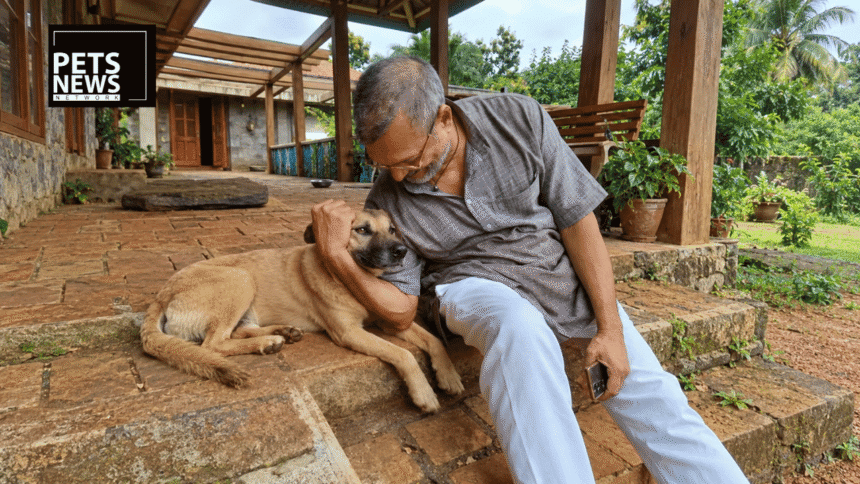
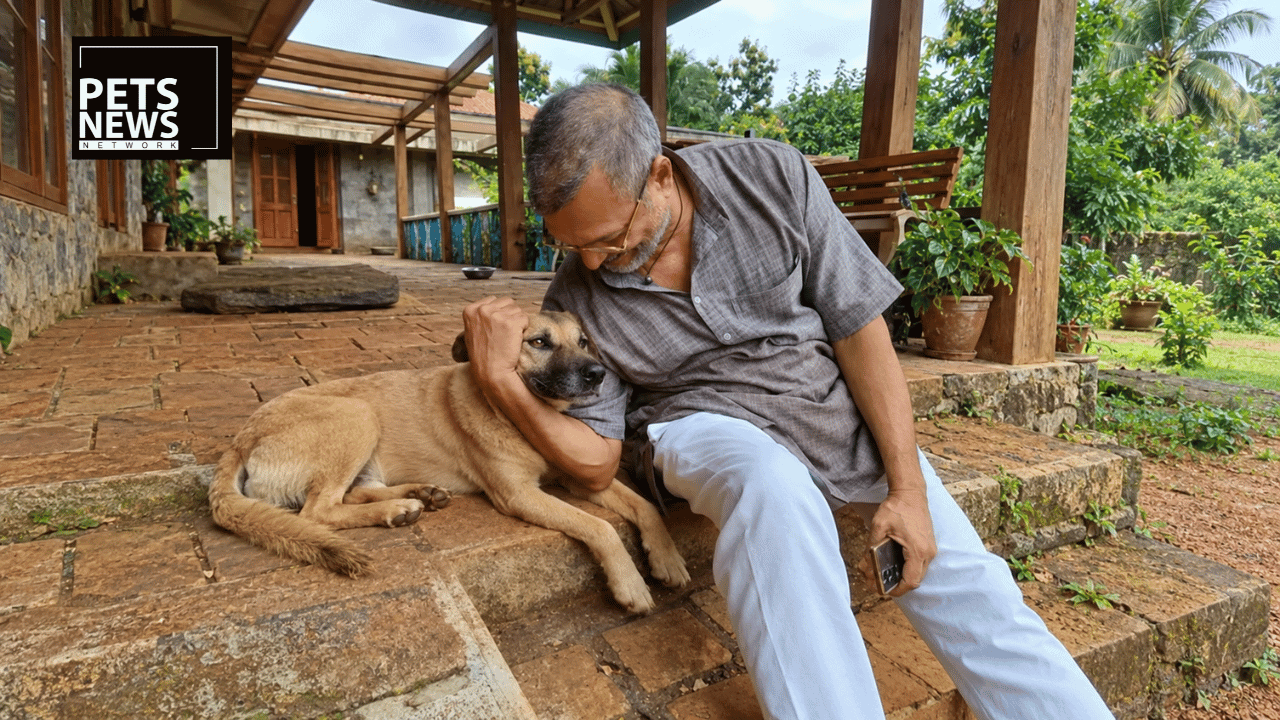

He never campaigned for animals. He never fronted a welfare organisation or posted about adoption. He simply shared his home with five dogs, twelve cows and two bulls, and spoke about it the way a farmer would.
The quieter kind of kindness
Nana Patekar died on 8 October 2026, aged 75, after suffering a cardiac arrest at his residence in Dona Paula, Goa. Doctors attempted CPR for around 45 minutes. He could not be revived.
The tributes that followed have concentrated, understandably, on the work — five decades of it, from Prahaar and Krantiveer to Natsamrat and a late-career run that continued right up to this year. They have also noted his service with the Territorial Army, where he held the honorary rank of Lieutenant Colonel, and the Padma Shri he received in 2013.
At Pets News Network we cover a narrower beat, and we want to mark something smaller that sits within all of it.
Away from film sets, Nana Patekar lived on a farm with animals. Not as a cause, not as a public image, not as an advocacy platform. Simply as the way he preferred to live.
What he actually kept
In a 2023 interview with Filmfare, Patekar described the 12 to 14 acre farmhouse near Lonavala where he spent much of his time, including through the COVID-19 pandemic.
He grew rice and wheat there. And he listed what else lived on the land: five dogs, twelve cows and two bulls.
That is a specific, unglamorous inventory. It is also a telling one.
Five dogs is not an accessory. Twelve cows and two bulls is not a photo opportunity. That is a working household of animals, requiring feed, veterinary attention, shelter and daily labour — the kind of commitment that does not pause when a shoot runs long or a release approaches.
He talked about the farm the way people who actually do the work talk about it. As a place he went to, not a thing he owned.
A rescue, quietly rehomed
There is one other detail worth recording, because it is easy to miss.
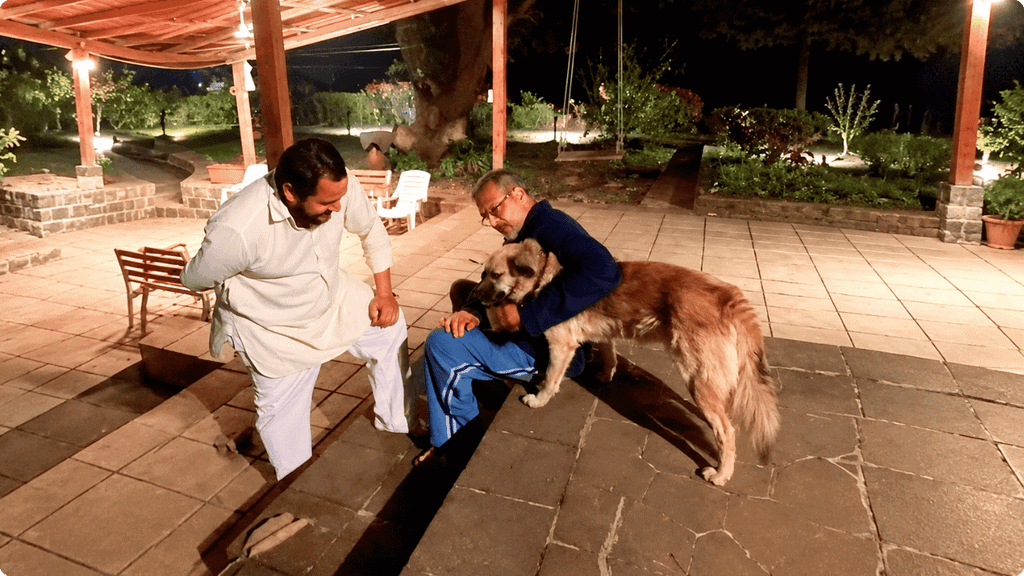
A 2013 report in DNA on animal rescuers working in Pune noted, almost in passing, that dogs they had rescued had found homes with public figures — and named Nana Patekar among them.
No announcement accompanied it. No campaign was built around it. A rescued dog went to his house and that was the end of the story, until a journalist mentioned it in a piece about somebody else’s work.
That is, in its way, the most representative thing about him.
What PNN will not claim
It would be very easy, this week, to write something larger than the record supports.
Nana Patekar was not a street dog activist. He did not run an animal welfare organisation, did not lead adoption drives, and did not use his considerable public platform to campaign on stray dog policy. If anyone tells you otherwise over the coming days, ask them for the source.
His organised philanthropy went somewhere else entirely. The Naam Foundation, which he co-founded with actor Makarand Anaspure in September 2015, was built for the families of farmers who had died by suicide in Maharashtra. It raised ₹80 lakh on its first day. It has since worked on drought relief, flood response, support for widows starting small businesses, and agricultural training.
That was his public cause, and it was a serious one.
The animals were private.
Why private still matters
There is a tendency in animal welfare coverage to value only the visible — the campaign, the hashtag, the celebrity endorsement, the organisation with a name and a logo.
Those things matter. India’s street animals badly need people with platforms willing to use them, and the welfare sector has benefited enormously when public figures have stepped forward.
But most of the actual care in this country is not visible at all.
It is the woman who puts out water in summer. The shopkeeper who lets a dog sleep under the counter. The household that feeds the same three animals every evening for nine years and never tells anyone. The farmer who keeps working bullocks past the point they are useful, because they are his.
None of that generates coverage. All of it is the foundation on which organised welfare sits.
Nana Patekar’s farm belongs in that category. Five dogs, twelve cows, two bulls, on fourteen acres near Lonavala, mentioned once in a magazine interview because an interviewer happened to ask what he did with his time.
The contrast worth drawing
It is instructive to set this alongside Ratan Tata, whose death two years ago prompted a wave of coverage about his relationship with street dogs.
Tata did something structural. Bombay House, the Tata Group headquarters, became known for allowing street dogs inside its premises. He instructed that Mumbai’s Taj Hotel permit stray animals on the property. The Tata Trusts established the Small Animal Hospital in Mumbai, offering critical care, advanced diagnostics, CT, ultrasound and MRI for cats and dogs. His own adopted dog, named Goa after the state he found him in, lived at Bombay House for over a decade.
That is institutional. It outlives the individual, which is the point of it.
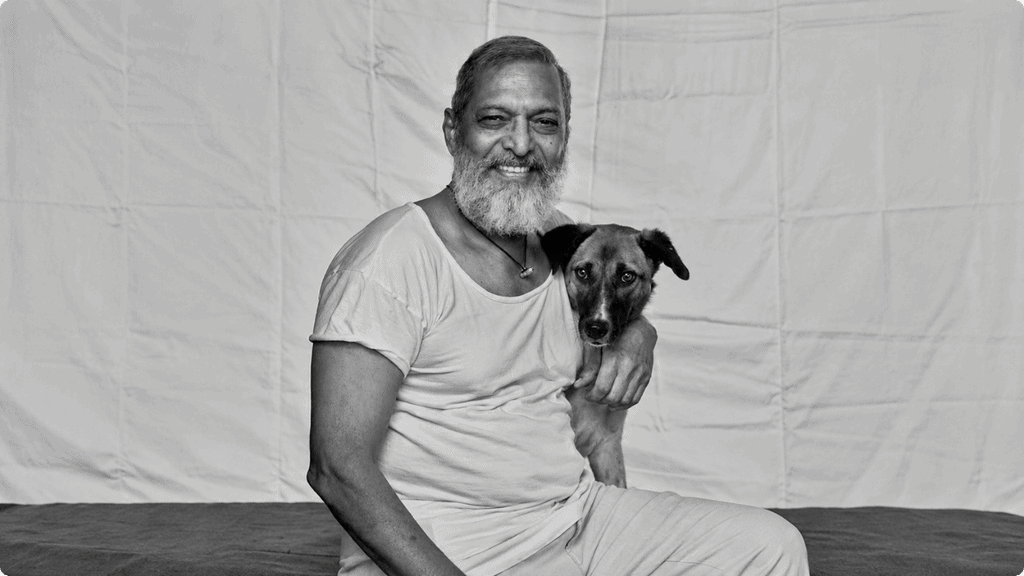
Patekar’s version was personal and ends with him. Both are real. Neither is a lesser form of the other — but they are different things, and PNN would be doing readers a disservice to blur them.
If anything, the contrast is the useful part. Someone with a platform and resources can choose to build something permanent for animals. Most people, including most famous people, simply care for the animals in front of them and leave it there.
What a pet publication takes from this
Two things, we think.
First, that loving animals is not the same as advocating for them, and that this is fine. Not every animal lover owes the public a campaign. A person who keeps five dogs well for years has done something complete in itself.
Second, that the record should be the record. In the days after a well-known person dies, stories accumulate quickly, and the warmest ones travel fastest regardless of whether they happened. We have seen a great deal of this already this week across Indian media.
What is on record is this: a man who became one of the most recognisable actors of his generation preferred to spend his time on fourteen acres outside Mumbai, growing rice and wheat, with five dogs, twelve cows and two bulls, and who once took in a rescued dog without mentioning it to anyone.
For a publication that writes about animals, that is enough. It does not need embellishing.
Pets News Network is India’s first dedicated media platform for the pet and animal industry. For breaking global pet news, brand coverage and advertising enquiries, contact: info@petsnewsnetwork.com