
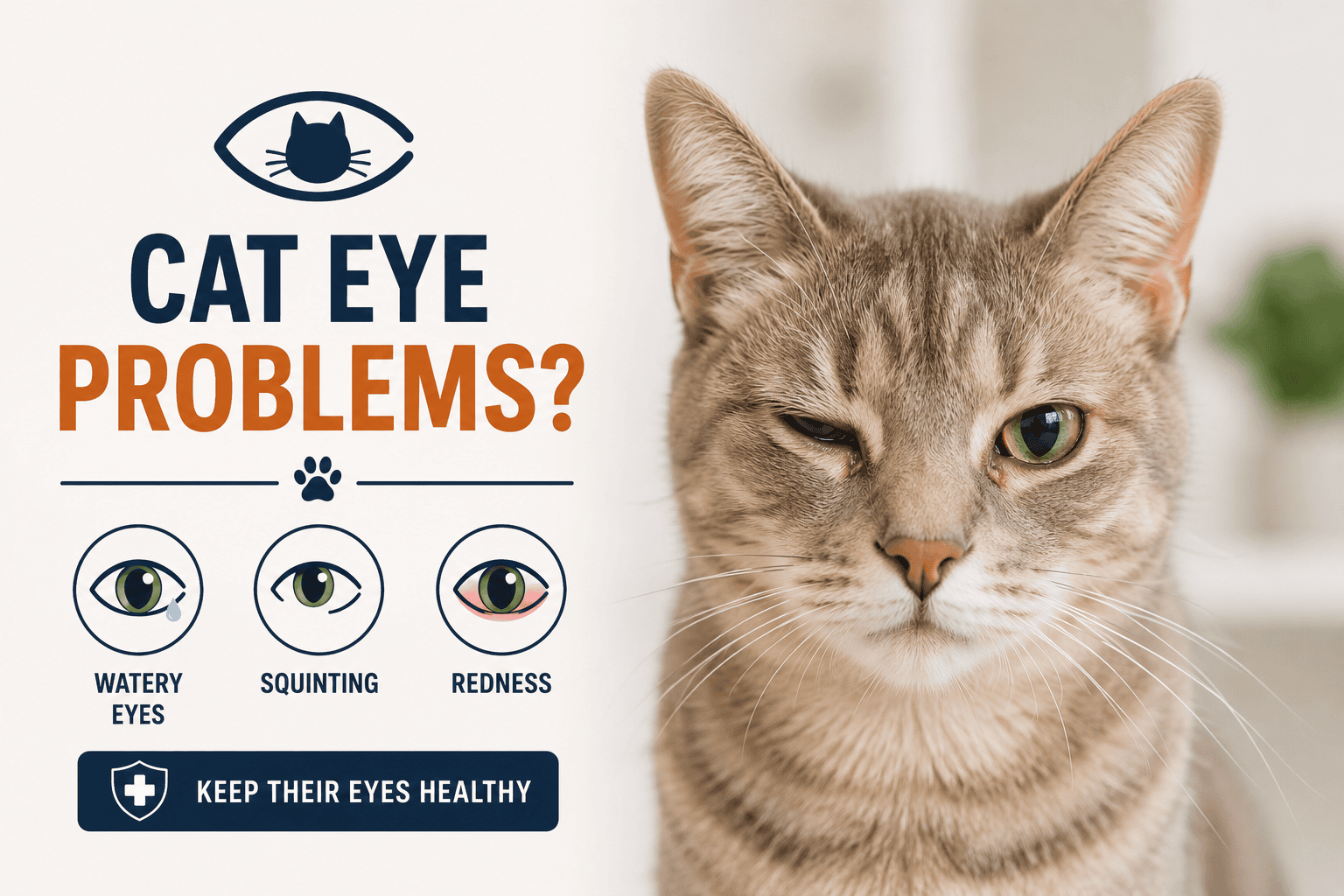

Cats are masters at hiding discomfort.
Unlike humans, they rarely show obvious signs when something is wrong, which is why health issues can sometimes go unnoticed until they become serious. Eye problems are a perfect example. What may seem like a little eye discharge or occasional squinting could actually signal an underlying medical condition that requires prompt attention.
Veterinarians say eye issues are among the more common reasons cat owners seek medical care. Because a cat’s eyes are incredibly delicate, even minor symptoms should never be ignored.
Understanding the warning signs can help pet parents act quickly and protect their feline friend’s vision and overall health.
Why Eye Health Matters in Cats
A cat’s eyes do much more than help them navigate their surroundings. Vision plays a critical role in hunting instincts, balance, communication, and daily activities.
When an eye problem develops, it can affect a cat’s quality of life significantly. In some cases, untreated conditions can lead to chronic pain, vision loss, or even permanent blindness.
That’s why veterinary experts recommend monitoring any changes in your cat’s eyes and seeking professional advice whenever symptoms appear.
Common Signs of Eye Problems in Cats
Many eye conditions share similar symptoms, making it difficult to determine the exact cause without a veterinary examination.
Some of the most common warning signs include:
- Excessive tearing or watery eyes
- Redness around the eye
- Squinting or keeping one eye closed
- Swelling around the eyelids
- Cloudy appearance in the eye
- Yellow, green, or thick discharge
- Frequent blinking
- Pawing or rubbing at the face
- Sensitivity to light
Even subtle changes can indicate discomfort, irritation, or infection.
Eye Infections: One of the Most Common Causes
Eye infections are frequently seen in cats, particularly kittens and animals living in multi-cat environments.
These infections may be caused by viruses, bacteria, or other pathogens.
Infected cats often develop:
Red, Irritated Eyes
Inflammation can make the eyes appear pink or red.
Discharge
The discharge may range from clear and watery to thick yellow or green mucus.
Squinting
Cats often partially close the affected eye due to irritation or pain.
Prompt treatment is important because infections can worsen if left unmanaged.
Conjunctivitis: More Than Just “Pink Eye”
Conjunctivitis, often referred to as pink eye, occurs when the thin membrane lining the eyelids and eye surface becomes inflamed.
This condition is one of the most commonly diagnosed feline eye disorders.
Symptoms may include:
- Redness
- Swelling
- Excessive tearing
- Eye discharge
- Frequent blinking
Conjunctivitis can be linked to infections, allergies, irritants, or other underlying health issues.
Because the condition can have multiple causes, a proper veterinary diagnosis is essential.
Corneal Ulcers Can Be Painful and Serious
The cornea is the clear outer surface of the eye.
When this protective layer becomes damaged, a corneal ulcer may develop.
Common causes include:
- Scratches from other animals
- Foreign objects
- Trauma
- Untreated infections
Cats with corneal ulcers often experience significant discomfort and may:
- Squint constantly
- Keep the eye closed
- Tear excessively
- Avoid bright light
Without treatment, corneal ulcers can progress rapidly and threaten vision.
Allergies Can Affect the Eyes Too
Just like people, cats can develop allergic reactions that affect their eyes.
Environmental allergens such as pollen, dust, mold, or household irritants may trigger symptoms.
Signs often include:
- Watery eyes
- Mild redness
- Itching
- Frequent rubbing
While allergies may seem less serious than infections, persistent irritation can still cause discomfort and should be evaluated if symptoms continue.
Cloudy Eyes May Signal Deeper Problems
A cloudy or hazy appearance in the eye should always be taken seriously.
Cloudiness can sometimes indicate:
- Corneal injury
- Inflammation
- Glaucoma
- Cataracts
- Other vision-threatening conditions
Veterinarians emphasize that changes in eye clarity should never be dismissed as a normal part of aging without professional assessment.
When Eye Problems Become Emergencies
Certain symptoms require immediate veterinary attention.
Pet owners should seek urgent care if they notice:
Sudden Vision Changes
Bumping into objects or appearing disoriented may indicate vision loss.
Severe Swelling
Significant swelling around the eye can signal serious inflammation or injury.
Persistent Eye Closure
A cat that refuses to open one eye may be experiencing considerable pain.
Eye Trauma
Any injury involving the eye should be evaluated as soon as possible.
Quick treatment can often prevent long-term complications.
How Veterinarians Diagnose Eye Conditions
Because many eye disorders look similar, veterinarians typically perform a detailed examination to determine the underlying cause.
Diagnostic procedures may include:
- Visual inspection
- Eye stain testing
- Tear production assessment
- Pressure measurement
- Evaluation for infections or injuries
These tests help identify the specific condition and guide the most effective treatment plan.
Treatment Depends on the Underlying Cause
Eye treatments vary depending on the diagnosis.
Veterinarians may prescribe:
- Antibiotic eye drops
- Antiviral medications
- Anti-inflammatory treatments
- Lubricating eye solutions
- Allergy management strategies
More serious conditions may require advanced treatment or surgery.
Following veterinary instructions carefully is crucial to ensure proper healing.
Protecting Your Cat’s Eye Health
While not all eye conditions can be prevented, regular observation can help detect problems early.
Pet parents should:
- Check their cat’s eyes regularly
- Monitor changes in appearance
- Keep living spaces clean
- Schedule routine veterinary exams
- Seek care promptly when symptoms appear
Early intervention often leads to faster recovery and better outcomes.
The Bottom Line
A cat’s eyes can reveal a great deal about their overall health.
From mild irritation and allergies to infections and vision-threatening conditions, eye problems can develop for many reasons. Recognizing symptoms such as redness, discharge, squinting, cloudiness, or swelling is the first step toward protecting your cat’s eyesight.
Because feline eye conditions can worsen quickly, timely veterinary care is essential.
When it comes to your cat’s vision, acting early could make all the difference between a simple treatment and a lifelong problem.