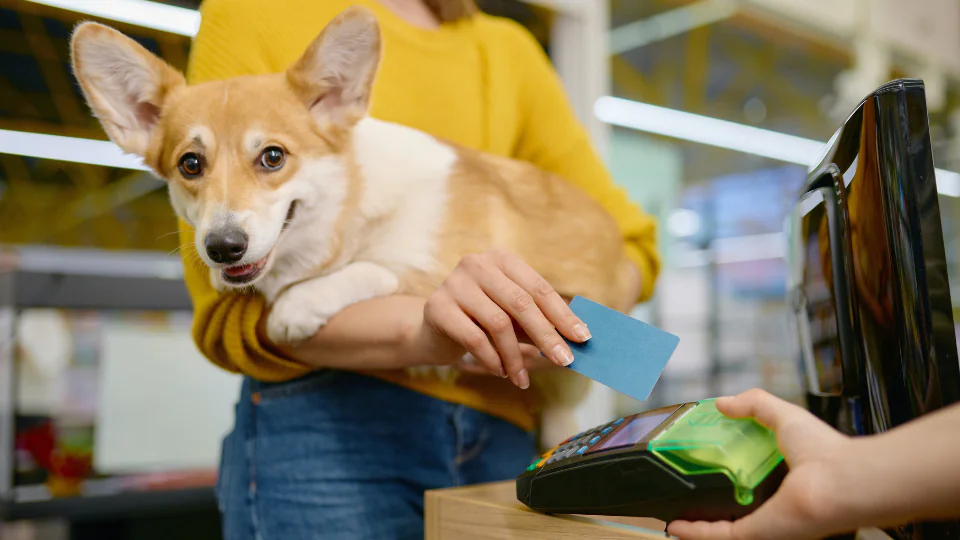

Pet owners have become used to rising prices over the last few years, but new data suggests the pet industry is entering another complicated phase. While some pet products are becoming more expensive, others are seeing slower growth—and the reason may have less to do with pets and more to do with the broader economy.
According to recent industry insights, changing inflation patterns and energy-related costs are continuing to influence pricing trends across the pet market, creating uneven movement across different product categories.
The latest snapshot paints a mixed picture: some segments are feeling pressure, while others appear more stable.
And for pet parents already navigating higher everyday costs, these shifts could eventually affect shopping habits.
Energy Prices Continue Shaping Consumer Costs
Inflation doesn’t impact every product equally.
One of the major factors influencing April’s market trends appears to be energy costs, which continue affecting manufacturing, transportation, packaging, and supply chain expenses across industries.
When energy prices fluctuate, businesses often face higher operational costs.
Those costs can eventually filter down to consumers, including pet owners purchasing food, treats, accessories, and care products.
As a result, pricing changes in the pet industry are rarely driven by a single factor.
Pet Product Categories Are Moving in Different Directions
The latest analysis suggests the pet sector isn’t experiencing a uniform trend.
Instead of broad price increases across all categories, various products appear to be responding differently to market conditions.
Some segments have shown stronger inflation pressure, while others have remained relatively steady.
Industry observers say this uneven movement highlights a changing landscape where consumer demand, production costs, and external economic factors continue interacting in complex ways.
In simple terms: not everything inside the pet aisle is reacting the same way.
Why Pet Owners May Start Noticing Changes
For many households, pet care remains a non-negotiable expense.
Food, health products, grooming essentials, and daily care items continue to rank as priorities—even during periods of economic pressure.
But when prices fluctuate, purchasing behavior often changes.
Consumers may begin:
- Comparing prices more carefully
- Seeking discounts and promotions
- Switching between brands
- Choosing value-focused products
- Delaying non-essential purchases
These small shifts can create larger trends across the broader pet market.
Industry Watching Consumer Behavior Closely
Economic uncertainty often creates ripple effects beyond pricing alone.
Businesses across the pet industry continue monitoring how inflation affects consumer decisions and category performance.
Experts increasingly view pet spending as an important indicator because many owners continue prioritizing pets despite financial pressure.
However, even highly committed pet parents may eventually adjust habits if costs rise significantly.
That makes consumer behavior especially important moving forward.
A Pet Industry Still Adapting to Economic Pressure
The pet market has shown remarkable resilience in recent years.
Despite inflation concerns and broader economic shifts, pet ownership and spending have remained relatively strong in many regions.
Still, April’s latest snapshot suggests ongoing challenges remain.
Energy prices, operational costs, and uneven inflation patterns continue influencing how products are priced and how consumers respond.
For now, one thing appears increasingly clear: the relationship between the economy and pet care spending is becoming more connected than ever.
And for pet owners, keeping an eye on these trends may soon become almost as important as watching what’s inside the food bowl.