
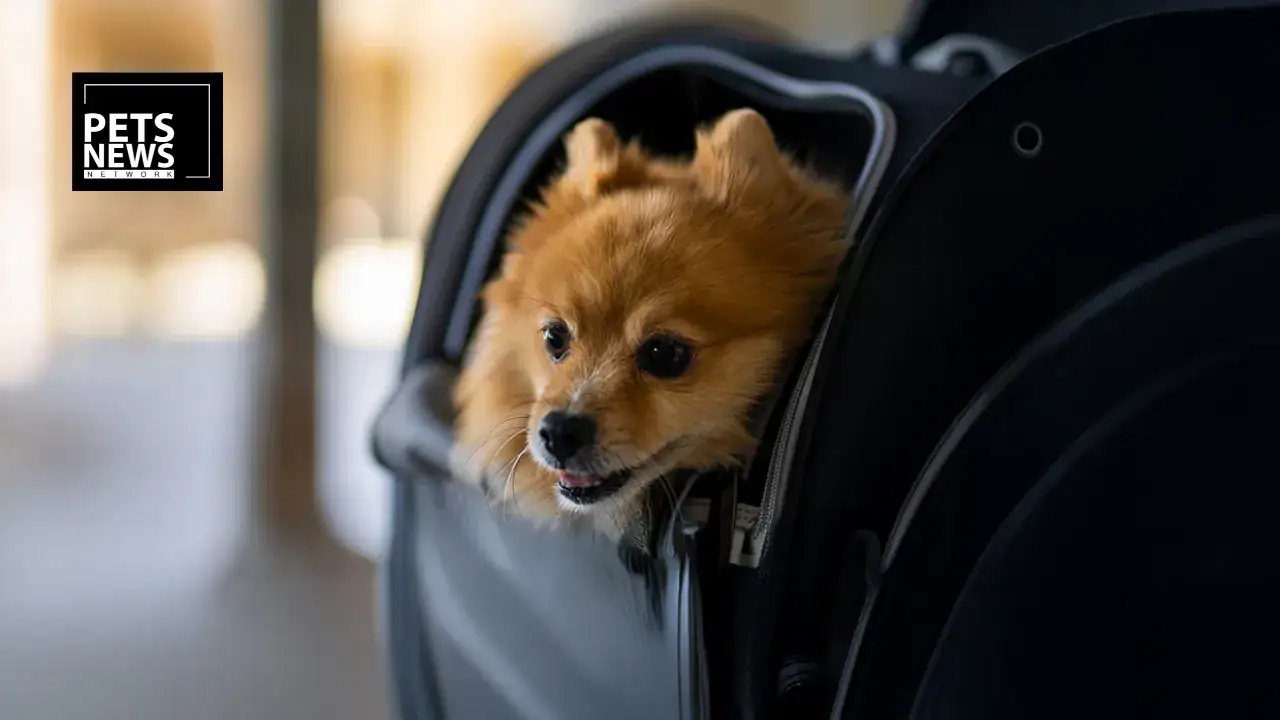

Anyone who’s ever tried flying with a pet knows the frustration: every airline seems to have its own rules, its own carrier size limits, and its own idea of what counts as acceptable documentation. That inconsistency is exactly what the aviation industry’s global body is now trying to fix.
The International Air Transport Association (IATA) has published new operational guidelines for airlines transporting pets in aircraft cabins, aiming to bring far greater consistency to pet travel policies that have historically varied widely from carrier to carrier. The new Operational Guidelines for In-Cabin Pet Transport lay out recommended procedures covering the entire journey — from booking and check-in, through boarding and the in-flight experience, all the way to arrival.
Why This Guidance Was Needed
The numbers behind this move make the case for it clearly. According to IATA’s 2025 Global Passenger Survey, roughly one in four passengers have either traveled with a pet or would consider doing so. But among those interested in pet travel, confusion runs deep: 41 percent cited uncertainty over pet eligibility as their biggest concern, 36 percent said they simply weren’t sure about individual airline policies, and 34 percent found the overall travel process unclear.
“A pet is a much-loved member of the family. People traveling with their pets need clear guidance on what to expect at every step of the journey,” said Brendan Sullivan, IATA’s Global Head of Cargo. He added that well-prepared travelers combined with industry-wide best practices allow airlines to deliver a safer, more consistent, and more efficient experience for anyone flying with a pet.
It’s worth noting this guidance is distinct from IATA’s existing Live Animals Regulations, which cover pets traveling in cargo holds. This new document is focused specifically on animals accompanying passengers inside the cabin.
What the Guidelines Actually Cover
IATA’s recommendations span the full pet travel journey, broken into clear stages.
Before booking, airlines are encouraged to publish transparent rules covering eligible species and breeds, weight and size limits, approved carrier dimensions, documentation requirements, country-specific import restrictions, and applicable fees — with advance notification recommended whenever a passenger plans to fly with a pet.
At check-in, staff are advised to confirm the animal is healthy enough to travel, that all veterinary and import documentation is complete, and that the pet fits comfortably and compliantly inside its carrier. Staff are also encouraged to visually assess whether an animal appears distressed before boarding.
During boarding and the flight itself, IATA recommends that cabin crew receive advance notice of which passengers are traveling with pets, helping manage seating around potential concerns like allergies, service animals, or fellow passengers with phobias. Carriers should remain beneath the seat in front during taxi, takeoff, landing, and turbulence, with pets required to stay inside their carriers throughout the flight and never occupy passenger seats or block aisles and emergency exits.
Connecting Flights Get Special Attention
Given how complicated multi-leg journeys can get, especially across countries with differing import rules, the guidelines place particular focus on connecting flights. IATA recommends airlines clearly communicate whether pets are accepted on every leg of an itinerary, what documentation is required at transit and destination, whether pets need to be reclaimed and rechecked during connections, and where pet relief areas are located at connecting airports.
Notably, the guidance also flags that relief station availability varies enormously across the world’s airports — with some offering none at all, and others locating them only outside the secure zone, meaning passengers would need to clear security again just to reach one.
Animal Welfare at the Center
Beyond logistics, the guidelines put real emphasis on animal welfare throughout the journey. Recommendations include ensuring adequate ventilation inside carriers, giving animals enough space to stand, turn, and lie down naturally, minimizing stress during handling, avoiding unnecessary removal from carriers, and having clear procedures in place for medical or behavioral emergencies involving animals onboard. The document also recommends dedicated staff training so airline employees can recognize signs of animal distress and respond appropriately.
Voluntary, But a Meaningful Starting Point
It’s important to note that IATA’s guidelines are voluntary and don’t override national regulations or individual country import controls. Airlines still retain full control over which pets they accept, maximum weight limits, carrier dimensions, fees, and which routes allow pets at all.
Still, for an industry that has long operated without a shared framework, this gives airlines a common reference point they can adapt to their own operations and local laws — building on IATA’s existing work, including its Live Animals Regulations and its recently introduced guidance for traveling with service dogs.
For pet parents planning future trips, the hope is simple: fewer surprises at the airport, and a little more peace of mind knowing there’s now a global standard airlines can build their pet policies around.
Pets News Network is India’s first dedicated media platform for the pet and animal industry. For breaking global pet news, brand coverage, and advertising enquiries, contact: ankur@petsnewsnetwork.com