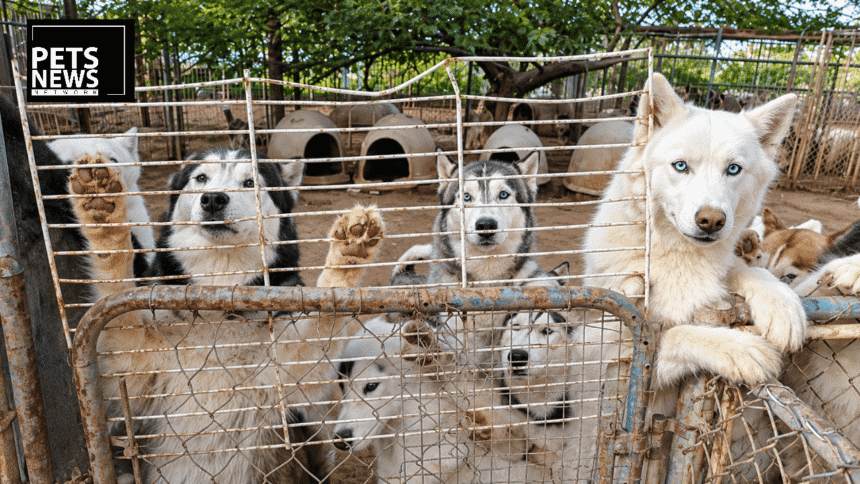
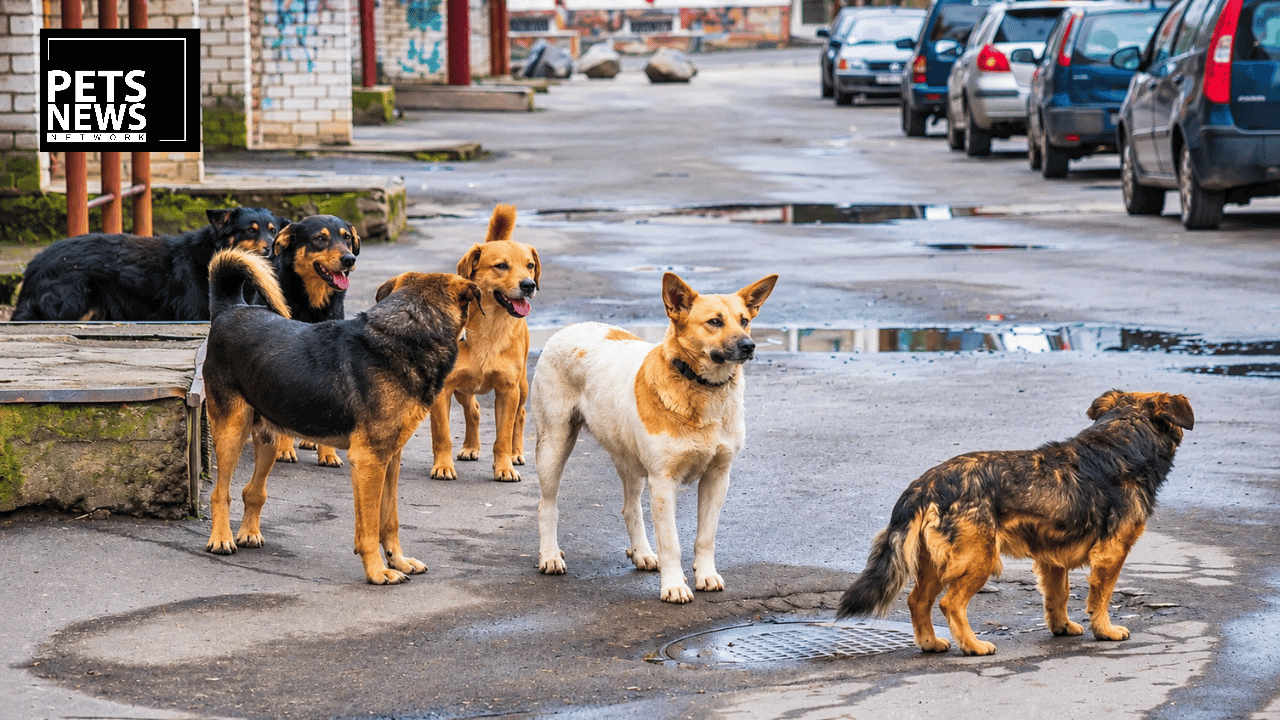

A Sikkim dog sterilisation drive in the Rongli subdivision has sterilised 385 street dogs and vaccinated 482 against rabies, the state’s veterinary department has said. By the standards of a big city these are small numbers. However, they are worth a closer look for a different reason. The drive is one more round in a programme that has been running in Sikkim for two decades, and that began when residents asked their government to stop killing dogs and find another way.
What has been announced
| Detail | What the department says |
|---|---|
| Where | Various locations in Rhenock and Rongli, in Sikkim’s Rongli subdivision |
| Who | The state’s Animal Husbandry and Veterinary Services Department, with the SARAH programme |
| Sterilised | 385 street dogs |
| Vaccinated against rabies | 482 dogs |
| Also held | Awareness sessions on responsible pet ownership, animal welfare, rabies prevention and the community’s part in dog population control |
| Legal basis | The Prevention of Cruelty to Animals Act and the Animal Birth Control Rules |
The department described the aims as humane, scientific management of the street dog population, prevention of rabies and other diseases that pass from animals to people, and responsible coexistence between people and animals.

What the announcement does not say
The figures come from a departmental statement, and several things are missing from it.
- When the drive took place, and for how long. Without that, the numbers cannot be read as a rate.
- How many of the dogs were male and female. Sterilising females has the larger effect on births.
- How many veterinarians and staff took part.
- How many dogs live in the area. 385 means one thing in a population of a thousand and another in a population of ten thousand.
- Whether there were any complications after surgery.
No official has been named or quoted.
The same area, a year earlier
One comparison is available. In August 2025, the same department and SARAH ran a drive in the neighbouring Chujachen area.
| Measure | Reported August 2025 | Reported November 2026 |
|---|---|---|
| Sterilised | 107 | 385 |
| Vaccinated | 432 | 482 |
The two drives did not cover identical ground, and the dates given here are the dates the figures were reported, so the comparison is rough. What it shows is the pattern: teams return to the same valleys, and they return with both surgery and vaccine.
What SARAH is
SARAH stands for the Sikkim Anti-Rabies and Animal Health programme. It began in 2005 in Gangtok, the state capital, and later spread to villages, monasteries and the rest of the state.
Its origin is the unusual part. According to an account published by an international rabies control organisation, the programme was set up after community members asked for an end to the culling of dogs. That account describes it as the first government-sanctioned initiative in India to involve both the animal welfare and public health sectors. It was built by the state government with partners that included a French animal welfare foundation, an Australian veterinary volunteer organisation and the state’s society for the prevention of cruelty to animals.
The same account, written in 2016, recorded the following. These figures are a decade old and are given here as history, not as the current position.
| Measure | As reported in 2016 |
|---|---|
| Dogs sterilised since 2005 | More than 37,500 |
| Vaccination | Teams aimed to reach every household each year within about four weeks; coverage of at least 70% of dogs |
| Human deaths from rabies | None recorded in the state since 2006 |
| Law | From 2015, rabies made a notifiable disease, with annual vaccination and registration of dogs and cats required |
The account also noted that suspected outbreaks still occurred from time to time, usually in winter and in border areas, and were investigated by both animal and human health teams. That detail matters. A hill state with long borders cannot seal itself off, which is one reason the drives never stop.
Why sterilisation and vaccination are done together
The two measures do different jobs, and each is weaker without the other.
Vaccination protects people now. Rabies reaches humans almost entirely through dog bites. When a large enough share of dogs in an area is immune, the virus cannot keep passing from dog to dog and dies out. International health bodies put that share at about 70% of the dog population.
Sterilisation protects that immunity. Street dogs often do not live long, and unsterilised dogs breed quickly. Every litter is a group of unvaccinated animals. As a result, in a population that is breeding freely, coverage achieved in one year can drain away by the next. A sterilised, vaccinated dog holds its place for years.
Returning the dogs is part of the method. A sterilised dog put back where it was caught keeps its territory and tends to keep newcomers out. Remove dogs from an area, and others can move in from the edges, unvaccinated and fertile.
This is why programmes that only vaccinate have to work harder each year, and why those that only remove dogs tend to see the numbers return. Bhutan used the same combination on a national scale, as described in our report on Bhutan’s elimination of dog-transmitted rabies.

What happens to a dog in a drive
The steps are broadly the same wherever such a programme runs, and they follow the Animal Birth Control Rules, 2023.
- The dog is caught by trained handlers, and the place it was taken from is recorded.
- It is examined. Dogs that are too young, ill or otherwise unfit are not meant to be operated on.
- It is sterilised under anaesthesia by a veterinarian.
- It is vaccinated against rabies, and usually marked with a small notch in one ear so that it is not caught a second time.
- It is kept and watched until it has recovered from surgery.
- It is returned to the spot where it was caught.
The rules also require records for each dog and a local monitoring committee that includes animal welfare representatives. They do not allow street dogs to be relocated or killed as a means of population control.
Dogs can be vaccinated without being operated on, which is one reason the number vaccinated in a drive is often higher than the number sterilised. That is the case here: 482 against 385.
Why the numbers look small
Sikkim is India’s least populous state, and Rongli is a hill subdivision of scattered settlements. A drive there moves along steep roads from one market and village to the next.
The useful measure is not the size of one drive. It is whether drives are repeated often enough to stay ahead of births and of dogs arriving from outside. Sustained, modest rounds are what the method depends on. A single large campaign followed by years of nothing achieves very little.
For the national picture on rabies and the gaps in treatment after a bite, see our World Rabies Day report.
The part residents play
The department’s statement asked for community and stakeholder cooperation, and the awareness sessions were aimed at exactly that. The method fails without it.
- Vaccinate and register pet dogs and cats every year. Pets that roam mix with street dogs.
- Sterilise pets that are not being bred responsibly. Abandoned litters become street dogs.
- Do not abandon animals.
- Tell the visiting team about every dog in the neighbourhood, including shy ones, and help bring them forward.
- Leave sterilised dogs where they are. An ear notch usually marks a dog that has been through the programme.
- Dispose of food waste properly. Open rubbish supports more dogs than a place would otherwise hold.
- After any bite or scratch, wash the wound with soap and running water for fifteen minutes and see a doctor the same day, wherever you live and whatever the dog’s history.
What would make the picture complete
- Current totals for the programme: dogs sterilised and vaccinated to date
- The latest position on rabies in people and animals in the state
- Dates and coverage for each drive, set against an estimate of the local dog population
- Outcomes after surgery, published as a matter of routine
A programme with a twenty-year record has good reason to publish them.
Where this stands
- 385 dogs were sterilised and 482 vaccinated in Rhenock and Rongli.
- The drive was run by the state veterinary department with SARAH, a programme that began in 2005.
- Dates, staffing and local dog numbers were not given.
- The programme’s published long-term figures date from 2016.
It was an ordinary drive. In dog population management, ordinary and repeated is how the work gets done.
Pets News Network is India’s first dedicated media platform for the pet and animal industry. For breaking global pet news, brand coverage, and advertising enquiries, contact: info@petsnewsnetwork.com