
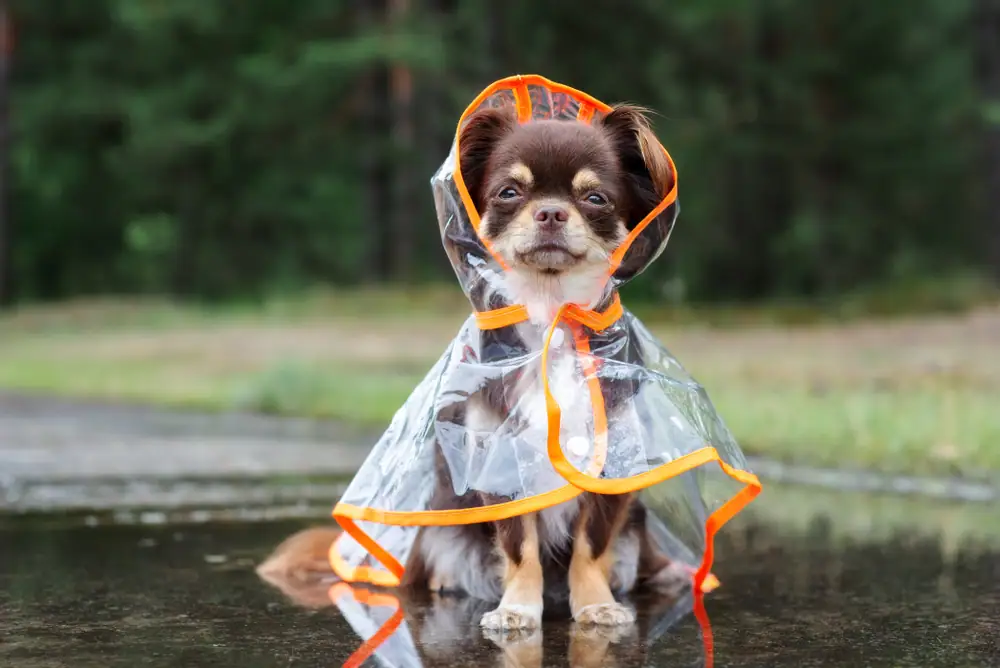

The arrival of the monsoon brings cooler weather, lush greenery, and much-needed relief from the summer heat. But while people enjoy the rainy season, it can create several challenges for pets. Constant exposure to moisture, muddy walks, and increased humidity can lead to skin infections, matted fur, bad odors, and even parasite infestations if grooming is neglected.
Proper grooming during the rainy season isn’t just about keeping your pet looking clean—it’s an essential part of maintaining their overall health and comfort. With a few simple adjustments to your routine, you can help your furry companion stay happy, dry, and healthy throughout the monsoon.
Why Monsoon Grooming Matters
Rainwater, damp fur, and humid weather create the perfect environment for bacteria, fungi, and parasites to thrive. Pets that spend time outdoors are especially vulnerable, as they often return home with wet paws, muddy coats, and hidden debris trapped in their fur.
Without proper care, these conditions can lead to skin irritation, itching, unpleasant odors, ear infections, and hot spots. Regular grooming helps prevent these issues before they become serious health concerns.
Always Dry Your Pet After Every Walk
One of the most important habits during the rainy season is drying your pet thoroughly after coming indoors. Even a short walk in light rain can leave moisture trapped beneath the coat.
Use a soft absorbent towel to dry the fur, paying extra attention to the paws, belly, tail, and ears. For long-haired breeds, a pet-safe blow dryer on a cool or low heat setting can help remove hidden moisture that towels may miss.
Keeping your pet completely dry significantly reduces the risk of fungal and bacterial infections.
Give Extra Attention to Paw Care
Your pet’s paws come into direct contact with wet roads, muddy parks, and puddles that may contain bacteria, chemicals, or sharp objects.
After every outdoor trip:
- Wipe each paw with a clean damp cloth or pet-safe wipes.
- Remove mud and dirt trapped between the paw pads.
- Dry the paws completely.
- Check for cuts, swelling, or small stones lodged between the toes.
Healthy paws help prevent infections and keep your pet comfortable throughout the season.
Brush the Coat Regularly
Frequent brushing becomes even more important during the monsoon. Moisture can quickly cause fur to tangle and mat, especially in long-haired dogs and cats.
Brushing offers several benefits:
- Removes loose hair and dirt.
- Improves air circulation through the coat.
- Prevents painful mats.
- Helps detect skin problems early.
- Distributes natural skin oils for a healthier coat.
Even short-haired pets benefit from regular brushing during humid weather.
Bathe Only When Necessary
Many pet owners believe frequent bathing is the best way to keep pets clean during the rains. In reality, over-bathing can strip the skin of its natural protective oils, making it more prone to dryness and irritation.
Instead, bathe your pet only when necessary using a gentle, veterinarian-approved shampoo. Always ensure the coat is completely dry before allowing your pet to rest or go outdoors again.
Keep the Ears Clean and Dry
Moisture trapped inside the ears creates an ideal environment for bacteria and yeast.
Pets with floppy ears are particularly susceptible to ear infections during the rainy season. Watch for signs such as:
- Head shaking
- Scratching at the ears
- Redness
- Unpleasant odor
- Dark discharge
Clean your pet’s ears only with a veterinarian-recommended ear cleaner and avoid inserting cotton swabs deep into the ear canal.
Protect Against Fleas and Ticks
The rainy season often brings a surge in fleas, ticks, and other parasites. These pests not only cause discomfort but can also transmit serious diseases.
Maintain your veterinarian’s recommended flea and tick prevention schedule, and inspect your pet’s coat regularly after outdoor walks, especially around the neck, ears, belly, and tail.
Keep Bedding and Living Areas Dry
Even the cleanest pet can develop skin issues if they spend time on damp bedding.
Wash blankets, beds, and toys regularly, and ensure they are completely dry before use. Good ventilation inside your home also helps reduce excess humidity that can contribute to fungal growth.
Feed a Balanced Diet for Healthy Skin
Healthy skin starts from within. A nutritious, balanced diet supports the immune system and promotes a shiny, resilient coat.
Fresh drinking water should always be available, as proper hydration helps maintain healthy skin even during humid weather.
If your pet has recurring skin problems, consult your veterinarian about nutritional supplements such as omega fatty acids that may benefit coat health.
Watch for Early Signs of Skin Problems
Regular grooming sessions provide an excellent opportunity to inspect your pet for unusual changes.
Contact your veterinarian if you notice:
- Persistent scratching
- Hair loss
- Red patches
- Skin rashes
- Bad odor
- Excessive licking
- Scabs or sores
Early diagnosis often leads to faster treatment and prevents minor issues from becoming serious infections.
A Little Extra Care Goes a Long Way
The rainy season doesn’t have to be uncomfortable for your furry companion. With consistent grooming, proper hygiene, regular parasite prevention, and a little extra attention after every rainy walk, pets can enjoy the monsoon safely and comfortably.
By making grooming a regular part of your pet’s rainy-season routine, you’ll not only keep them looking their best but also protect their health, ensuring they stay active, fresh, and happy all season long.