


Nandankanan Zoological Park, on the outskirts of Bhubaneswar, welcomed a remarkable new chapter on September 12, 2026, when 58 animals spanning 14 exotic species arrived at the park in a single donation. The addition immediately pushed the zoo’s total species count to 188, a significant leap for one of eastern India’s most prominent wildlife institutions.
The animals were gifted by the Radha Krishna Temple Elephant Welfare Trust (RKTEWT), based in Jamnagar, Gujarat, a trust that operates as part of Vantara, the large-scale wildlife conservation initiative led by Anant Ambani. That connection gives this donation added significance, linking one of India’s most well-resourced private conservation efforts directly to a public state zoo’s expansion.
Nandankanan itself is no ordinary regional zoo. Established decades ago and long recognised as one of India’s most respected zoological parks, it has built a reputation for its breeding programmes, particularly for white tigers and melanistic tigers, alongside its role as a centre for conservation education in eastern India. A donation of this scale arriving all at once represents one of the more significant single-day additions to the park’s collection in recent memory.
What Actually Arrived
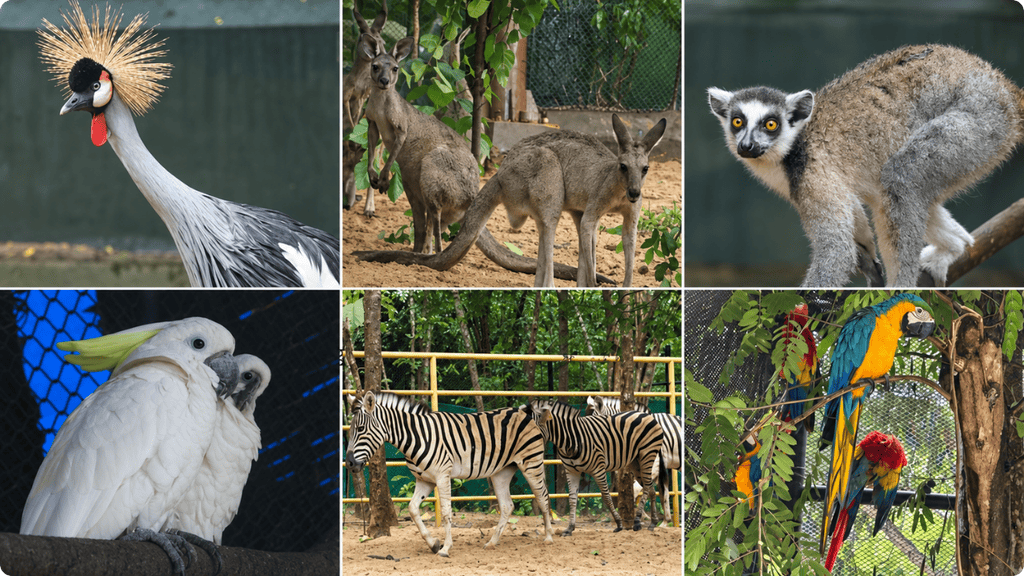
Across the 14 species, the new arrivals split fairly evenly between mammals and birds, each species brought in as verified breeding pairs or small groups:
Mammals
- 4 Zebras (2 male, 2 female)
- 4 Kangaroos
- 6 Bennett’s Wallabies
- 4 Ring-tailed Lemurs
- 4 Tufted Capuchins
- 6 Meerkats (3 male, 3 female)
- 4 Blue Wildebeests (2 male, 2 female)
Birds
- 4 Scarlet Macaws (2 male, 2 female)
- 4 Blue-and-Gold Macaws
- 4 Green-Winged Macaws
- 4 Sulphur-Crested Cockatoos (2 male, 2 female)
- 4 Crowned Cranes (2 male, 2 female)
- 4 Scarlet Ibises (2 male, 2 female)
- 2 Cassowaries (1 male, 1 female)
The inclusion of cassowaries is particularly notable. These large, flightless birds, native to the tropical forests of New Guinea and northeastern Australia, are rarely seen in Indian zoological collections, making their arrival one of the more genuinely rare additions in this consignment. Cassowaries are also known for being among the more challenging species to house in captivity, they require specialised enclosures and careful handling protocols given their powerful legs and sharp claws, so their successful transfer and upcoming quarantine period will likely draw close attention from the zoo’s veterinary team.
The geographic diversity represented across this single shipment is also worth pausing on. Within one consignment, Nandankanan received African savanna species (zebras, wildebeests, meerkats, crowned cranes), Australian and Oceanic species (kangaroos, wallabies, cassowaries), South American natives (macaws, capuchins), and Madagascar’s iconic ring-tailed lemurs. Very few single donations manage to span quite so many distinct ecosystems and continents in one delivery.
What This Means for the Zoo’s Collection
According to zoo officials, this single donation delivered three distinct kinds of value to Nandankanan’s collection:
- 10 completely new species added to the park’s roster, animals the zoo had never previously housed
- 1 new breeding pair formed for an existing species at the zoo
- Fresh genetic bloodlines introduced for 3 existing species, an important contribution for long-term breeding health and genetic diversity within the zoo’s existing populations
That last point matters more than it might initially seem. Zoos managing captive breeding programmes over many years can run into the same genetic bottleneck problems seen in endangered wild populations, limited bloodlines leading to inbreeding risk over successive generations. Introducing genetically distinct individuals from an external source, as this donation did for three species, directly addresses that long-term sustainability concern.
This kind of genetic exchange between institutions is, in fact, standard best practice in modern zoo management globally. Coordinated breeding programmes, whether formalised through international studbooks or arranged through direct institutional partnerships like this one, help ensure captive populations remain genetically healthy and viable across generations, rather than each zoo managing an isolated, shrinking gene pool on its own.
Quarantine Comes First
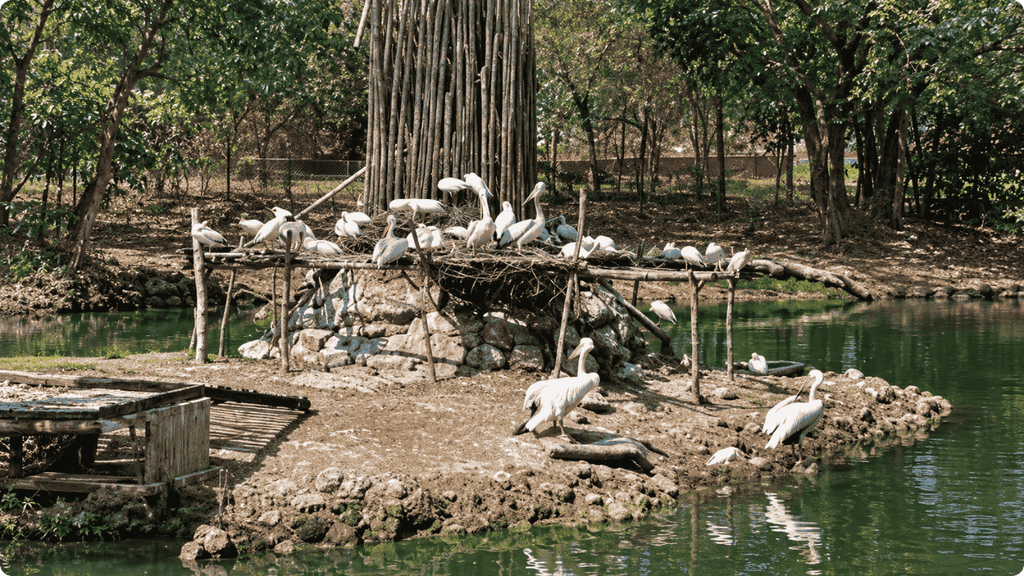
Despite the excitement around the new arrivals, none of the 58 animals are on public display yet. All of them are currently undergoing mandatory quarantine, a standard and essential step whenever animals are transferred between institutions.
During this period, the animals undergo acclimatization to their new environment, comprehensive health evaluations, and veterinary checks, ensuring each individual is healthy and free of any disease risk before being introduced to the zoo’s existing collection or exposed to public visitors. This is standard practice across accredited zoological institutions worldwide, and Nandankanan’s approach here reflects adherence to established scientific husbandry protocols throughout the transfer process.
The quarantine period also gives keepers valuable time to observe each animal’s individual behaviour and health baseline before it’s moved into permanent enclosures, information that becomes an important reference point for ongoing care throughout the animal’s time at the park.
More Animals Reportedly on the Way
This may not be the end of RKTEWT’s contribution to Nandankanan. According to Odisha’s state wildlife wing, the trust is expected to donate around a dozen more rare species to the zoo in the near future. If that follow-up donation materializes, officials suggest it could help push Nandankanan toward becoming one of the largest zoos in India by total number of species housed, a genuinely significant institutional milestone if achieved.
Should that additional donation go through as anticipated, it would mark the second major transfer from RKTEWT to Nandankanan in a short span, suggesting an emerging, ongoing partnership between the two institutions rather than a single, isolated gesture.
Why This Donation Matters Beyond the Numbers
Officials at Nandankanan have been clear about the broader purpose behind absorbing such a large and diverse group of new species at once. The stated objectives extend well beyond simply growing the collection for its own sake:
- Strengthening conservation education, giving visitors direct exposure to species and ecosystems from far beyond India’s own biodiversity, from African savanna species like wildebeests to Australian marsupials like kangaroos and wallabies
- Building public understanding of global biodiversity, helping visitors connect the dots between geographically distant ecosystems and the shared importance of conservation across all of them
- Driving stronger visitor engagement, particularly among families and younger visitors, for whom seeing genuinely novel species like cassowaries or ring-tailed lemurs can spark lasting interest in wildlife and conservation more broadly
For a state-run zoo, this kind of expanded, globally-sourced collection also carries practical benefits beyond education. Novel and rarely-seen species tend to draw stronger visitor footfall, which in turn supports the zoo’s own conservation and welfare funding through ticket revenue and public interest, creating a virtuous cycle between education, engagement, and institutional sustainability.
A Notable Example of Private-Public Conservation Collaboration
This donation also stands as a useful case study in how India’s rapidly expanding private conservation sector is beginning to actively support public zoological institutions rather than operating entirely in parallel. Vantara, the initiative RKTEWT operates under, has built a reputation for large-scale wildlife rescue, rehabilitation, and breeding work in Gujarat. Channeling some of that capacity directly into strengthening a public state zoo’s collection and genetic diversity represents a meaningful, tangible form of collaboration between private conservation wealth and public wildlife education infrastructure.
For Nandankanan specifically, a zoo with a long-standing reputation in India’s zoological circles, this kind of external support offers a path to meaningfully expanding its educational and conservation capacity without relying solely on state funding or its own internal breeding programmes to grow its collection. It also offers a potential template other state-run zoos across India might look toward, private conservation trusts with surplus, well-managed captive populations partnering with public institutions to mutually strengthen conservation education and genetic diversity nationwide.
What Comes Next
Once the quarantine period concludes and each of the 58 new arrivals clears its required health evaluations, visitors to Nandankanan can expect to see an expanded and considerably more globally diverse collection on display, everything from meerkats and capuchins to macaws and crowned cranes, alongside the zoo’s existing animals.
With additional donations reportedly still to come from RKTEWT, this September 2026 delivery may well be remembered as just the first major step in a broader transformation of Nandankanan’s species diversity, one that could meaningfully reshape its standing among India’s zoological parks in the years ahead.ation of Nandankanan’s species diversity, one that could meaningfully reshape its standing among India’s zoological parks in the years ahead.
Pets News Network is India’s first dedicated media platform for the pet and animal industry. For breaking global pet news, brand coverage, and advertising enquiries, contact: info@petsnewsnetwork.com