
A Question Most Pet Owners Never Think to Ask
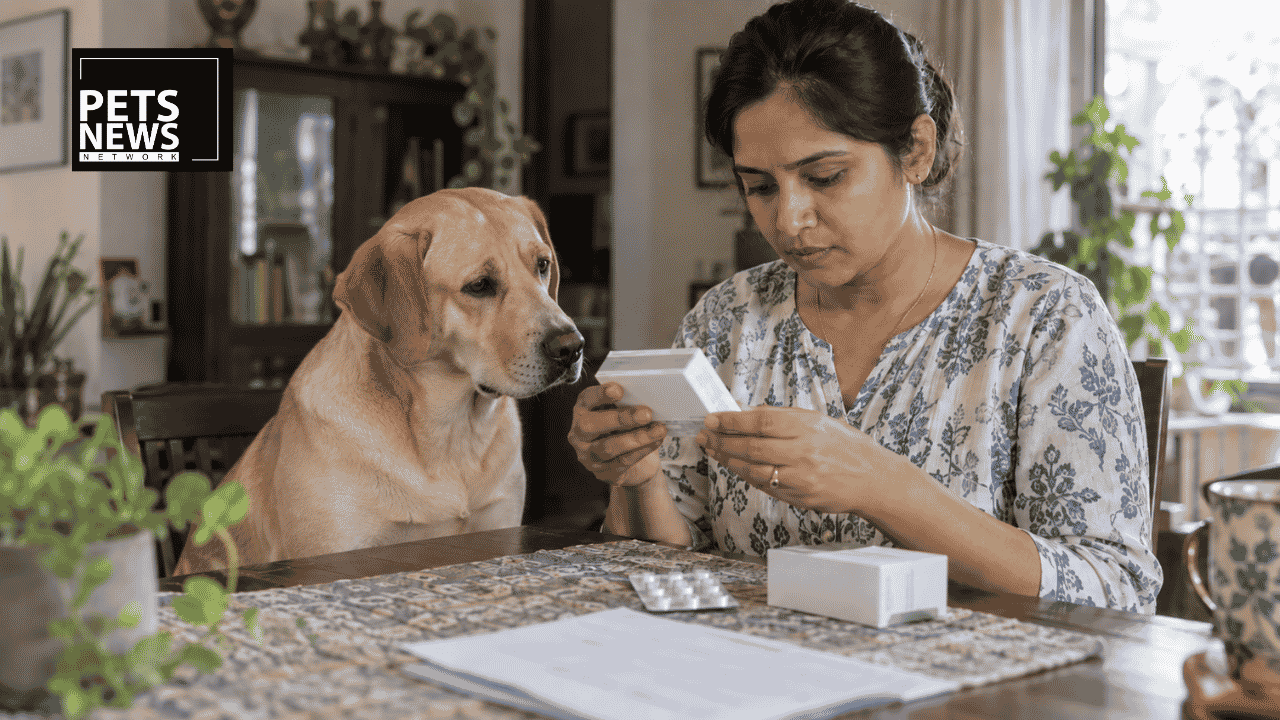
When you buy medicine for yourself or a family member, chances are you already know what to look for without even thinking about it, a proper pharmacy, a visible license, a printed bill, an expiry date you glance at out of habit. Now ask yourself: do you apply the same level of scrutiny when you’re buying medicine for your dog or cat?
For most pet owners, the honest answer is no. And that gap in awareness, more than any single bad actor, is what allows unsafe, expired, or improperly regulated pet medicines to keep circulating.
This isn’t a hypothetical concern. Just recently, the Haryana Food and Drug Administration carried out a raid on a pet store in Gurugram, seizing medicines worth ₹56,000. As with similar enforcement actions seen across the country, raids like this one typically point to one or more familiar issues, missing drug licenses, expired or improperly stored stock, or medicines sold without any prescription oversight. Whatever the specific findings turn out to be in that case, the raid itself is a timely, real-world reminder that this isn’t a distant or rare problem. It’s happening in ordinary pet stores, in ordinary neighbourhoods, right now.
Why Pets Are More Vulnerable to This Problem, Not Less
It’s tempting to assume that if a medicine is unsafe or ineffective, you’d simply notice, your pet wouldn’t get better, or something would obviously seem wrong. In reality, the opposite is often true. Pets can’t tell you they’re feeling worse, can’t describe a side effect, and can’t explain that a symptom never actually went away. Owners are left relying entirely on visible behaviour, energy levels, appetite, mobility, to guess at what’s happening internally.
That makes the quality and legitimacy of the medicine itself far more important than it might seem. A human patient given an ineffective or expired antibiotic might mention that they still feel unwell. A dog or cat simply continues to suffer silently, often for longer than necessary, before an owner realises something isn’t working.
The Four Biggest Risks Hiding in Unregulated Pet Medicine
1. Expired stock relabelled or simply left on shelves. Medicines that have passed their expiry date don’t always become dangerous, but they very often become ineffective, sometimes significantly so. An expired antibiotic that no longer works properly can allow an infection to worsen while the owner believes treatment is already underway.
2. Vaccines that were never stored correctly. Most vaccines require a strict, uninterrupted cold chain from manufacturer to injection. A vaccine left outside proper refrigeration, even briefly, can lose much or all of its effectiveness while looking and being administered exactly like a normal dose. The pet owner walks away believing their animal is protected. It may not be.
3. Prescription-only drugs sold with zero oversight. Antibiotics, steroids, and other serious medications are often available at pet stores without any prescription requirement or symptom-based screening. This isn’t just a regulatory technicality, it removes the one checkpoint designed to catch dosage errors, drug interactions, or situations where the medicine simply isn’t the right treatment for what’s actually wrong.
4. Counterfeit or diverted stock with no verifiable origin. Without a proper purchase bill, there’s no way to trace where a medicine actually came from, whether it was manufactured legitimately, or whether it’s part of a diverted or counterfeit supply chain entirely.
A Simple Checklist You Can Actually Use
None of this requires becoming an expert. A few consistent habits go a long way:
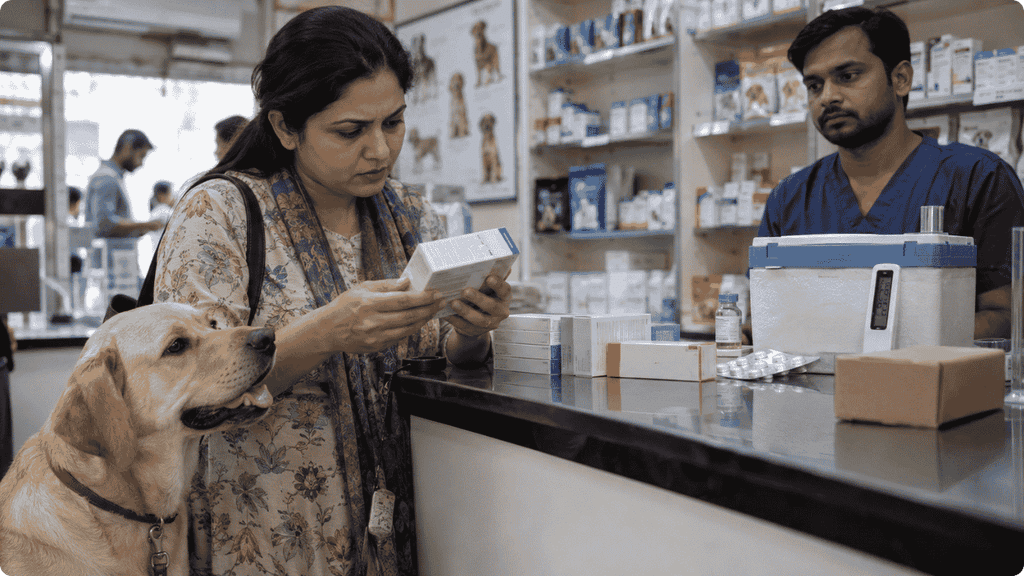
- Ask to see the store’s drug license. A legitimate seller will have no issue showing it.
- Always request a proper bill. No bill, no purchase, treat this as a non-negotiable rule.
- Check the batch number and expiry date yourself, on the actual packaging, every single time.
- Notice how the medicine is stored. Vaccines and temperature-sensitive drugs need proper refrigeration, not a shelf near a window or a fridge that looks unreliable.
- Be suspicious of “no questions asked” sales, especially for antibiotics, steroids, or anything that should logically require a vet’s input.
- Base treatment decisions on an actual vet consultation wherever possible, rather than a store recommendation based on a symptom you described verbally at the counter.
Why This Isn’t Just About One Bad Store
It’s worth being honest about the bigger picture here: individual pet owners shouldn’t have to be the last line of defence against unsafe medicine. Ideally, a properly enforced licensing and inspection system would catch these problems well before they ever reach a customer.
But India’s veterinary pharmaceutical retail space still lags behind the level of regulatory visibility and consistency that human pharmacies have built up over years. Until that changes meaningfully, informed caution from pet owners remains one of the few reliable safeguards actually in place, not because it should be that way, but because right now, it often is.
The Takeaway
Buying medicine for a pet deserves the same care, if not more, as buying medicine for a person. Pets depend entirely on their owners to make safe, informed decisions on their behalf, decisions they have no way of questioning or correcting themselves.
A checked license, a requested bill, a glance at an expiry date, none of it takes more than a minute. What it protects against, an ineffective treatment, a wasted recovery window, or real harm to an animal who trusted you completely, is worth far more than that minute costs.
Pets News Network is India’s first dedicated media platform for the pet and animal industry. For breaking global pet news, brand coverage, and advertising enquiries, contact: info@petsnewsnetwork.com