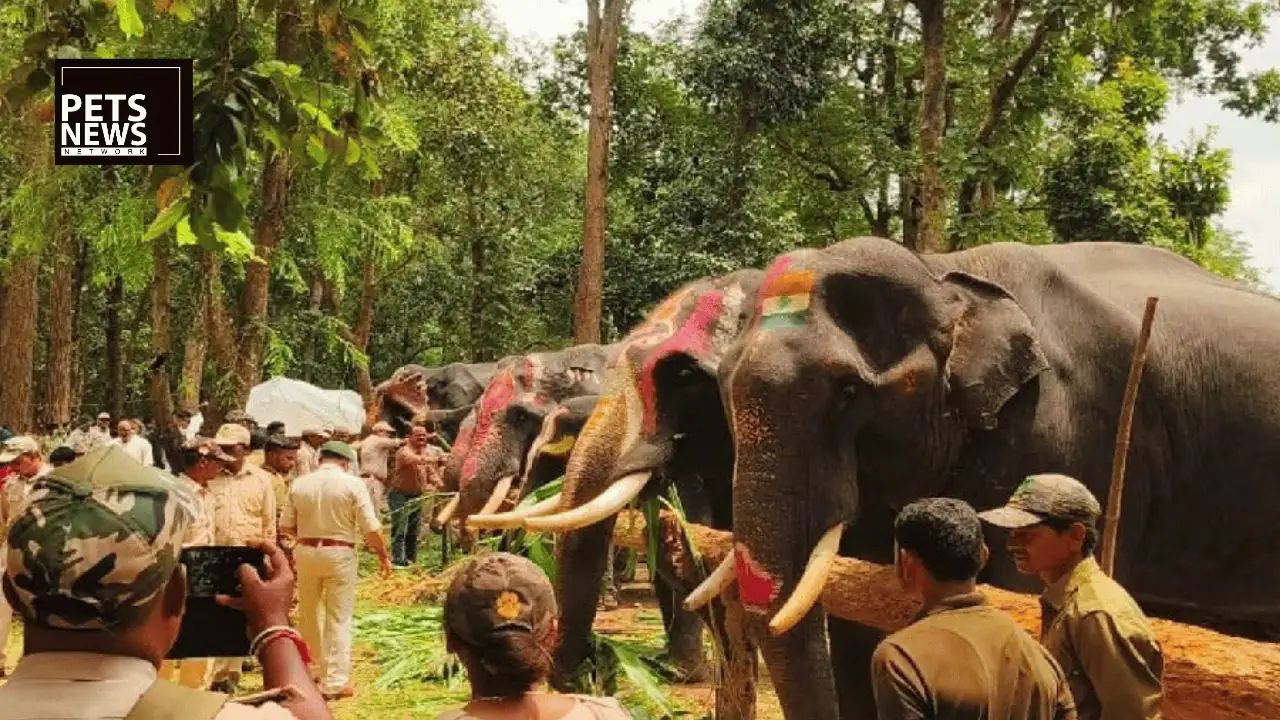

Every year, the working elephants of Kanha Tiger Reserve get something most conservation animals never receive: a scheduled, dedicated break from duty, built specifically around rest, physical care, and time to simply be elephants among their own herd. This year’s edition of that annual rejuvenation camp began on September 15, 2026, in the Supkhar range of Kanha, located in Mandla district, Madhya Pradesh, and will run through September 20.
For an animal that spends the rest of the year performing some of the most physically demanding, essential work in India’s tiger conservation system, this six-day pause is far more than a nice gesture, it’s a structured, veterinary-backed intervention designed to keep these working elephants genuinely healthy for the job they return to once the camp ends.
Who’s Taking Part
Kanha currently maintains a working elephant population of 16 animals: nine males, six females, and one newborn calf, all participating in this year’s camp together. The inclusion of the calf alongside the adult herd reflects one of the camp’s core purposes, giving elephants genuine time for social interaction and herd bonding, something that can get squeezed out during the demands of a normal working schedule spent largely on patrol duty rather than free social time with the wider herd.
What Six Days of Rejuvenation Actually Looks Like
The camp’s daily routine is built around comprehensive physical care rather than simply giving the elephants time off and little else. Activities include:
- Complete rest from routine patrol and conservation duties, giving each elephant’s body a genuine break from the physical demands of regular work
- Bathing, an activity elephants are known to genuinely enjoy and one that plays a real role in skin health given how much time they otherwise spend working outdoors
- Full-body and foot massages, addressing muscle and joint strain accumulated from months of patrol work across rugged, often difficult terrain
- Nutritious, specially prepared meals, supporting recovery and overall condition during the rest period
- Dedicated time for social activities, allowing the herd to interact and bond in ways that don’t always fit naturally into a working patrol schedule
Foot care in particular deserves attention here. Elephants used for patrol work cover significant ground across varied, often harsh terrain, and foot health is one of the most critical, and most easily overlooked, aspects of long-term welfare for any working elephant. A dedicated, unhurried foot care routine during this camp offers exactly the kind of preventive attention that’s harder to prioritise during a normal working week.
Comprehensive Health Monitoring, Not Just Pampering
Beyond the physical care routine, this camp also functions as a genuine, structured veterinary health assessment. Wildlife veterinarians conduct full health checkups on each elephant during the six-day period, with blood, stool, and urine samples collected and sent to laboratories for detailed analysis. Each elephant is also measured as part of this process, building an ongoing physical record that helps track each animal’s condition and development over time.
This kind of comprehensive annual health screening matters enormously for working animals whose day-to-day condition might not always reveal underlying health issues during routine operations. Blood work can catch developing conditions before they become visible symptoms, stool and urine analysis can flag parasitic loads, digestive issues, or organ function concerns, and regular physical measurements help track whether an elephant is maintaining healthy weight and growth patterns appropriate to its age.
For a working elephant population this small, just 16 animals supporting the entirety of Kanha’s elephant-dependent conservation operations, catching health issues early through this kind of dedicated annual screening is genuinely important, both for the individual animals’ welfare and for maintaining the reserve’s overall operational capacity.
Why Kanha Needs These Elephants in the First Place
It’s worth understanding just how much conservation work in Kanha actually depends on these 16 animals throughout the rest of the year. Kanha’s working elephants perform several distinct, essential roles:
- Routine patrolling across terrain that standard vehicles often can’t navigate, particularly in the reserve’s more remote or densely forested sections
- Wildlife monitoring, supporting the ongoing tracking and observation work central to managing Kanha’s tiger and broader wildlife populations
- Animal translocation, assisting when animals need to be safely moved within or between areas of the reserve
- Special monsoon patrolling, a role that becomes especially critical when heavy rains render many forest tracks impassable for wheeled vehicles, leaving elephants as one of the only reliable means of maintaining reserve coverage during the wettest months of the year
That monsoon patrolling role in particular underscores just how operationally indispensable these animals are. Kanha, like many of Madhya Pradesh’s tiger reserves, faces genuine terrain and weather challenges that make elephant-based patrol capability a functional necessity rather than a traditional nicety, especially during the exact season when consistent monitoring matters most for tracking wildlife movement and preventing poaching activity.

Passing Down Knowledge: The Mahout Training Component
The rejuvenation camp isn’t only about the elephants themselves, it also serves as a structured training opportunity for the people responsible for their daily care. Senior, experienced mahouts use this period to run dedicated workshops for younger keepers, covering elephant care, day-to-day handling techniques, and critically, emergency response management.
This mentorship structure matters for the long-term sustainability of Kanha’s elephant programme. Working with elephants requires deeply specialised, experience-built knowledge that can’t be fully captured in a manual, understanding individual animal temperament, recognising early signs of distress or illness, and knowing how to respond safely and effectively during genuine emergencies. By building this knowledge transfer directly into the annual rejuvenation camp schedule, Kanha ensures that expertise built over years by senior mahouts doesn’t remain siloed with a single generation of handlers, but gets actively passed on to the keepers who will carry this responsibility forward.
A Model Worth Recognising
Kanha’s approach here offers a genuinely instructive example of how working animal welfare and operational conservation needs can be integrated into a single, well-structured annual practice, rather than treated as competing priorities. Rest, physical care, comprehensive health screening, social bonding time, and staff training all happen within the same coordinated six-day window, addressing the full picture of what these elephants and their handlers actually need to keep functioning effectively across the following year.
For a reserve whose broader conservation mission depends so heavily on these 16 animals staying healthy, capable, and well cared for, this annual camp represents exactly the kind of proactive, welfare-centred investment that keeps a working elephant programme sustainable over the long term, rather than simply extracting labour from these animals until problems become impossible to ignore.
What Comes Next
As the camp concludes on September 20, Kanha’s elephants will return to their regular conservation duties, patrolling, monitoring, translocation support, and the demanding work of monsoon-season reserve coverage, carrying forward whatever health insights this year’s veterinary screening revealed. For the reserve’s younger mahouts, the knowledge passed down during this camp’s training sessions will similarly carry forward, shaping how the next generation of handlers cares for these essential conservation partners in the years ahead.
Pets News Network is India’s first dedicated media platform for the pet and animal industry. For breaking global pet news, brand coverage, and advertising enquiries, contact: info@petsnewsnetwork.com