
A Cry From the Bottom of a Well
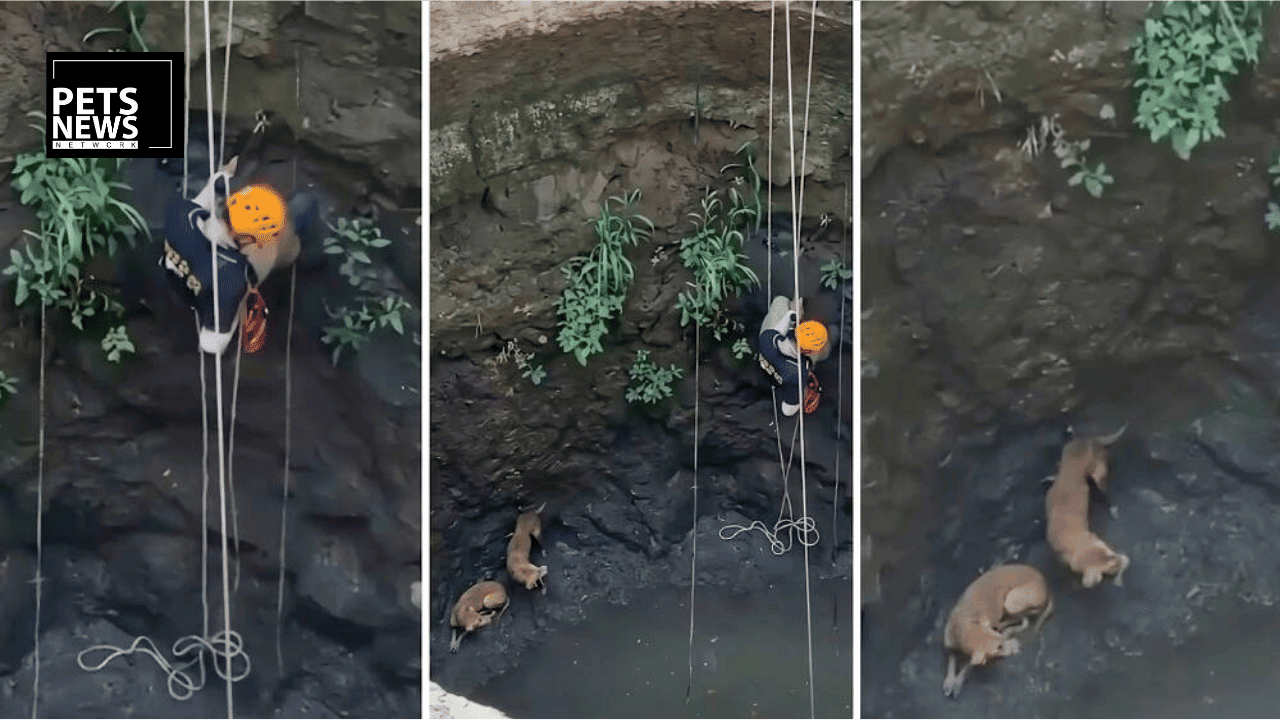
In Jamwadi village, in Maharashtra’s Jalna district, two dogs found themselves trapped at the bottom of a well nearly 60 feet deep, with no way to climb back out. Their repeated, desperate cries eventually reached villagers nearby, alerting the community to the danger the animals were in. But knowing something was wrong and being able to actually fix it turned out to be two very different problems.
The well’s sheer depth made any immediate, local rescue attempt genuinely dangerous. Without specialised equipment or trained personnel, villagers simply didn’t have the means to safely bring the dogs back to the surface, leaving the animals stranded while the community scrambled to figure out what to do next.
When Local Resources Aren’t Enough
Recognising that this was beyond what they could handle on their own, the situation was escalated to the local District Magistrate’s office. An assistant to the District Magistrate took photographs of the trapped dogs, images that conveyed just how serious and urgent the situation had become, and shared them with the Manwithindis Foundation, an animal rescue organisation based in Chhatrapati Sambhajinagar.
That single step, escalating from a village-level problem to a formal request routed through district administration, proved to be the turning point that ultimately got the right specialists involved.
Assembling a Team and Covering 90 Kilometres
Upon seeing the photographs, Ashish Joshi, the Manwithindis Foundation’s director and an Honorary Wildlife Warden, moved quickly to put together a rescue team capable of handling a job this technically demanding. He was joined by wildlife rescuers Deepak Watane and Jai Desai, both experienced in exactly the kind of high-risk animal extraction this situation called for.
Together, the team travelled nearly 90 kilometres from Chhatrapati Sambhajinagar to reach Jamwadi, a journey undertaken specifically because no closer team had the specialised capability the rescue required. That distance is worth sitting with for a moment: this wasn’t a rescue team responding to something in their own backyard, it was a deliberate, considerable trip taken because two trapped dogs in a village they’d likely never otherwise have visited needed help that only they could provide.
Descending Into a 60-Foot Well
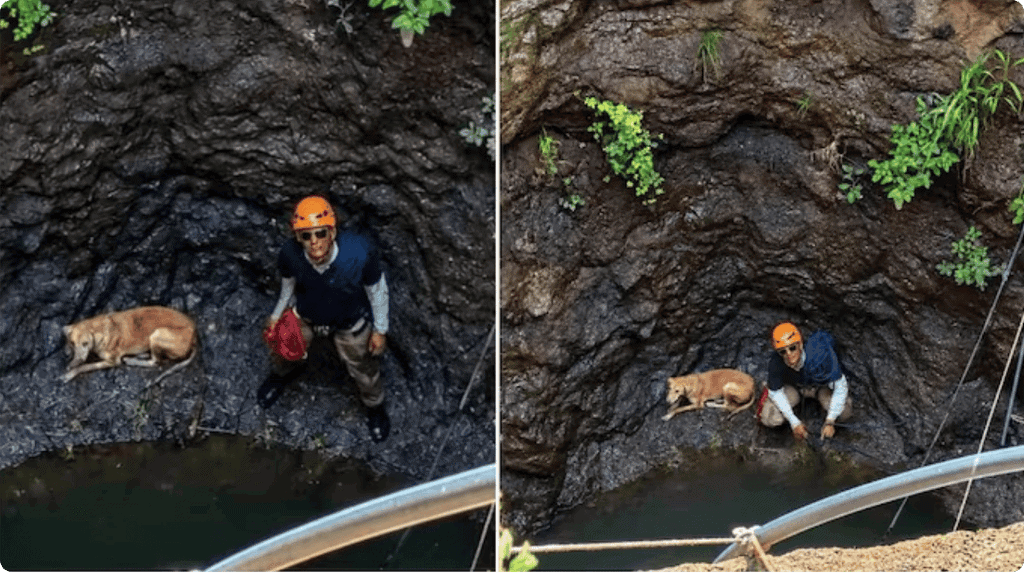
Once the team arrived at the site, they didn’t rush straight into the well. Given the considerable depth and the genuine physical dangers involved, sharp drops, unstable footing, and the unpredictable behaviour of frightened animals in a confined space, the rescuers first carefully assessed the well’s structure and put proper safety protocols and equipment in place before attempting the descent.
With those precautions established, the team lowered standard rescue equipment down the 60-foot drop and began the difficult process of reaching the two dogs at the bottom. The animals, understandably frightened after however long they’d already spent trapped in the dark, had to be carefully and securely handled during the extraction, a task that demanded both technical skill and a calm, practiced approach to avoid startling the dogs into further distress during the rescue itself.
Despite the risks and the physically demanding nature of the operation, the rescuers successfully secured both dogs and safely pulled them up to the surface, with both animals reported to have emerged uninjured from their ordeal.
Relief and Gratitude From the Village
For the residents of Jamwadi, who had watched over the trapped dogs with growing concern since the alarm was first raised, the successful rescue brought immense relief. Villagers expressed genuine gratitude to the rescue team for undertaking such a long, high-risk mission on behalf of two animals that, to an outside observer, might have seemed like an unlikely priority worth a 90-kilometre trip.
That gratitude reflects something worth acknowledging directly: for many rural communities across India, the presence of a stray or community dog is deeply woven into everyday village life, and their wellbeing genuinely matters to the people who share that space with them, even without any formal ownership involved.
The Man Behind the Mission
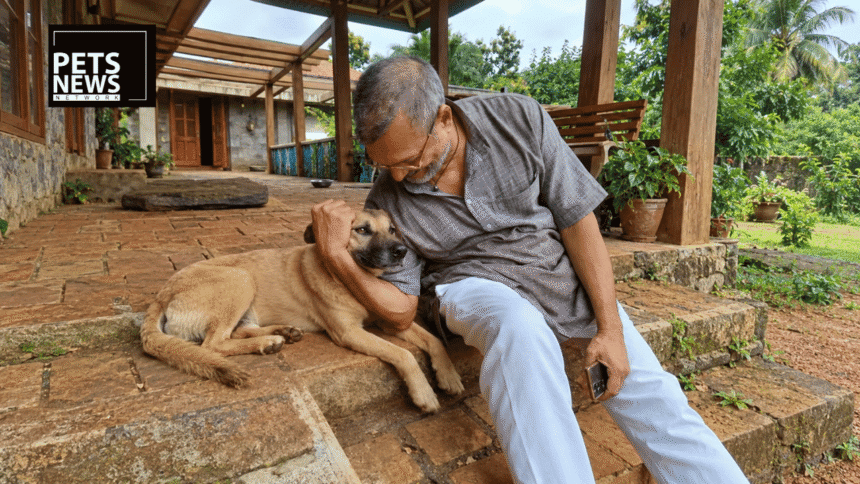
Ashish Joshi’s willingness to mobilise a team and travel such a distance for this rescue isn’t an isolated act of goodwill, it fits a well-established pattern in his broader work. Joshi has built a long track record in animal rescue and welfare work in the Chhatrapati Sambhajinagar region, having personally rescued several hundred stray dogs over the years and reportedly feeding around 200 animals on a regular basis alongside his rescue operations.
That sustained, ongoing commitment to animal welfare work provides useful context for why the Manwithindis Foundation was positioned to respond so quickly and effectively once the District Magistrate’s office reached out. This wasn’t a one-off improvised effort, it was a specialised team with genuine, accumulated experience in exactly this kind of animal rescue scenario.
Why Open Wells Remain a Recurring Danger
The Jamwadi rescue is far from an isolated incident. Open, unguarded wells continue to pose a significant, recurring hazard to animals across rural Maharashtra and other parts of India, with similar rescues reported regularly, from stray dogs to wildlife. In a separate case earlier this year, Wildlife SOS and the Maharashtra Forest Department rescued a golden jackal pup from a 40-foot well in Pune district, with a veterinary officer involved in that operation noting directly that open wells remain “a major threat to wildlife in rural Maharashtra.”
That pattern points to a broader, preventable infrastructure issue sitting behind these individual rescue stories. Unused or poorly maintained wells that lack proper covering or fencing create an ongoing hazard for any animal, domestic or wild, that wanders too close, particularly at night or in unfamiliar terrain. While each successful rescue is worth celebrating, the recurrence of these incidents suggests real value in wider efforts to identify and properly secure hazardous open wells before animals fall in, rather than relying solely on dramatic, resource-intensive rescues after the fact.
A Reminder of What Coordinated Response Can Achieve
The Jamwadi rescue stands as a genuinely strong example of what’s possible when different pieces of a community’s emergency response system work together effectively: alert villagers who recognised the danger and raised the alarm, a district administration that took the concern seriously enough to escalate it, and a specialised rescue organisation willing to travel significant distance and take on real physical risk to see the job through.
For the two dogs pulled safely from that well, and for a village that spent hours anxiously hoping for a good outcome, the rescue offers a clear, uncomplicated reminder that far outside any headline-grabbing wildlife story, dedicated individuals are regularly stepping up, often at real personal risk and inconvenience, to make sure smaller, quieter animal emergencies get the same serious response any life deserves.
Pets News Network is India’s first dedicated media platform for the pet and animal industry. For breaking global pet news, brand coverage, and advertising enquiries, contact: info@petsnewsnetwork.com