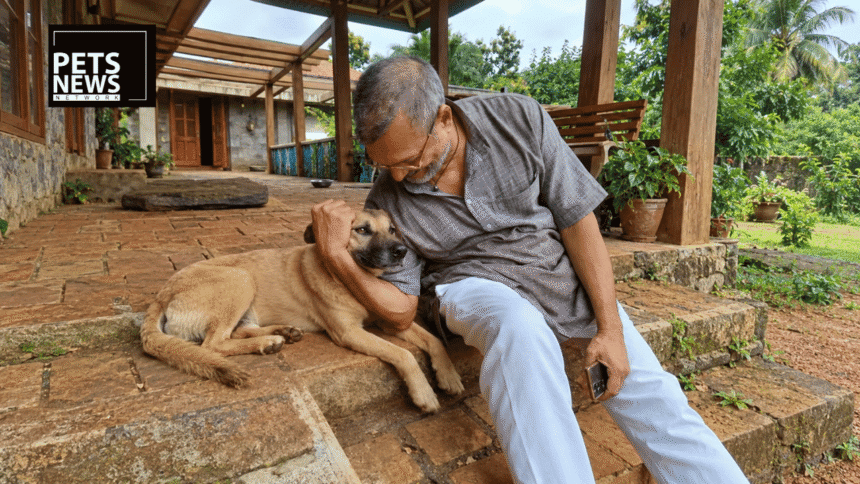


Do you light up when you see a dog at the park? Does the idea of helping a sick animal recover fill you with purpose? If you have always felt a deep connection with animals — and you are drawn to science, medicine, and making a real difference — then a career in veterinary science might be exactly where you belong.
On this International Day of Veterinary Medicine, we are celebrating one of the most meaningful and underappreciated professions in the world — and exploring everything you need to know about becoming a vet in India.
Why Veterinary Medicine Is More Than Just a Career
Veterinarians are far more than animal doctors. They are advocates, healers, researchers, and educators — working tirelessly on behalf of creatures that cannot speak for themselves.
Every single day, a vet makes decisions that change lives. Whether it is diagnosing a mysterious illness in a beloved family pet, performing life-saving surgery on a farm animal, or developing vaccines that protect entire species — the impact of veterinary work extends far beyond the clinic walls.
And here is the truth that many people do not realise: veterinary medicine also protects human health. Vets play a critical role in food safety, disease surveillance, zoonotic disease control, and public health — making them essential contributors to the wellbeing of society as a whole.
What Does a Veterinarian Actually Do?
The daily work of a veterinarian is as varied as it is rewarding. Depending on their area of specialisation, a vet might:
- 🩺 Diagnose and treat illnesses in animals ranging from household pets to livestock
- 🔬 Conduct laboratory tests and interpret diagnostic results
- 🏥 Perform surgical procedures — from routine spays and neuters to complex orthopaedic surgeries
- 💉 Administer vaccines and preventive care treatments
- 🥗 Advise pet owners on nutrition, behaviour, and long-term health management
- 🐄 Support agricultural communities by maintaining the health of food-producing animals
- 🌍 Contribute to wildlife conservation and ecosystem health in sanctuaries and national parks
No two days look the same — and that variety is part of what makes veterinary medicine such a deeply fulfilling path.
The Growing Demand for Veterinarians in India
India’s veterinary sector is expanding at a remarkable pace — and the opportunities for qualified professionals have never been greater.
Here is what is driving this growth:
- Rising pet ownership: Millions of Indian households now own dogs, cats, birds, and other companion animals — and demand for quality veterinary care is growing alongside this trend
- Expanding livestock sector: India has one of the world’s largest livestock populations, creating a continuous need for food animal vets and animal health professionals
- Poultry and dairy industries: Large-scale animal farming operations require dedicated veterinary oversight for both animal welfare and food safety compliance
- Wildlife and conservation: India’s rich biodiversity and expanding network of wildlife sanctuaries and national parks create unique opportunities for wildlife veterinarians
- Public health and zoonotic disease control: As awareness of diseases that cross between animals and humans grows, government health bodies and research institutions increasingly rely on veterinary expertise
If you are considering a veterinary career, you are entering a profession with genuine long-term demand and meaningful societal impact.
What Makes a Great Veterinarian? The Qualities That Matter Most
Technical knowledge is essential — but it is only part of the picture. The most effective and respected veterinarians share a combination of personal qualities that set them apart.
💛 Genuine Compassion for Animals
A love of animals is the foundation of everything in veterinary medicine. Vets regularly care for patients who are frightened, in pain, or critically ill — and the ability to approach every animal with patience and kindness is non-negotiable.
🗣️ Clear Communication With Pet Owners
Treating the animal is only half the job. Explaining a diagnosis, walking an owner through a treatment plan, or delivering difficult news with empathy and clarity — these communication skills are just as important as clinical expertise. A great vet bridges the gap between medical knowledge and the everyday understanding of the families they serve.
🤝 Emotional Resilience and Empathy
Veterinary work can be emotionally demanding. From supporting grieving pet owners to making difficult end-of-life decisions, vets need to hold space for others while managing their own emotional responses. Empathy and resilience go hand in hand in this profession.
📋 Organisation and Attention to Detail
Managing appointments, maintaining detailed patient records, calculating medication dosages, and coordinating with veterinary nurses and support staff — organisational skill ensures that animals receive safe, accurate, and consistent care.
🔥 Unwavering Passion for Animal Welfare
Above all, the best veterinarians are driven by a genuine, lasting commitment to the wellbeing of animals. This passion sustains them through long days, challenging cases, and emotionally draining moments — and it is what ultimately defines a remarkable career.
How to Become a Veterinarian in India — Your Educational Roadmap
🎓 The BVSc Degree — Your Starting Point
To qualify as a veterinarian in India, you must complete a Bachelor of Veterinary Science (BVSc) degree — a rigorous and comprehensive programme that typically spans five and a half years, including a mandatory one-year internship that provides invaluable hands-on clinical experience.
During your BVSc programme, you will build expertise across core areas including animal anatomy, physiology, pharmacology, pathology, surgery, medicine, and public health.
📚 Specialisation Streams Within BVSc
The BVSc programme offers several specialisation pathways, allowing you to align your degree with your specific interests:
- BVSc & Animal Husbandry (A.H.) — The most comprehensive pathway, covering companion animal care alongside the principles and practices of managing livestock and farm animals
- BVSc in Animal Nutrition — A deep dive into the science of animal feeding, nutrient requirements, and how diet directly influences health, growth, and productivity
- BVSc in Veterinary Pathology — Focused on the study of disease processes, tissue changes, and diagnostic techniques that underpin clinical veterinary practice
- BVSc in Animal Genetics and Breeding — Explores the genetic basis of animal traits and the science of selective breeding to improve health, productivity, and disease resistance
- BVSc in Veterinary Microbiology — Examines bacteria, viruses, fungi, and parasites, and how these microorganisms cause disease and interact with the immune system
- BVSc in Veterinary Pharmacology — Studies how drugs work in animal bodies, covering drug interactions, dosing, and the development of new veterinary medications
After completing your BVSc, you also have the option to pursue postgraduate study (MVSc or PhD) for advanced specialisation in research, academia, or specialist clinical practice.
Exciting Career Paths in Veterinary Science
One of the most compelling aspects of a veterinary career is the sheer breadth of directions it can take you. Here is a look at some of the most rewarding pathways:
🐶 Companion Animal Veterinarian
The most familiar veterinary role — working in private clinics and hospitals to diagnose, treat, and care for dogs, cats, birds, rabbits, and other household pets. This is a deeply personal specialty, built on long-term relationships with animals and their families.
🐄 Food Animal Veterinarian
Working with cattle, sheep, goats, pigs, and poultry — food animal vets provide medical care to farm animals while educating farmers on best practices for nutrition, biosecurity, and herd health management. This role is critical to India’s agricultural economy.
🔍 Food Safety and Inspection Veterinarian
Operating at the intersection of animal and human health, these vets work with government agencies and food regulatory bodies to inspect food production facilities, research animal diseases, and develop vaccines that protect both animal and public health.
🐴 Equine Veterinarian
Horses require highly specialised veterinary care — from sports medicine and orthopaedics to reproduction and dental health. Equine vets often work with racehorses, breeding farms, and recreational riding stables.
🔬 Research Veterinarian
For those drawn to discovery and innovation, veterinary research offers the opportunity to develop new diagnostic tools, surgical techniques, vaccines, and treatment protocols. Research vets work in universities, pharmaceutical companies, and government laboratories.
🐾 Veterinary Dermatologist
A growing specialty focused on diagnosing and treating skin conditions in animals — including allergies, autoimmune disorders, infections, and tumours. Dermatology is one of the most in-demand veterinary specialties in urban India.
🦁 Wildlife and Zoo Veterinarian
For those who dream of working beyond the clinic, wildlife vets provide medical care to wild animals in sanctuaries, zoos, and natural habitats. This path combines veterinary medicine with conservation biology and wildlife management.
💊 Veterinary Pharmacologist
Working in veterinary hospitals, pharmaceutical companies, or research institutions, pharmacologists focus on monitoring the effects of drugs on animal patients and contributing to the development of safer and more effective veterinary medicines.
🏛️ Government and Public Health Veterinarian
Government veterinary services in India employ vets across animal welfare boards, livestock development departments, wildlife authorities, and zoonotic disease control programmes — making this a career with both stability and public service impact.
The Rewards and Realities of a Veterinary Career
It would be dishonest to present veterinary medicine as all sunshine and tail wags. Like any demanding profession, it comes with genuine challenges:
- Long and sometimes unpredictable working hours
- Emotionally difficult cases involving suffering, loss, and end-of-life care
- Physically demanding work in clinical and farm settings
- The weight of making critical decisions under pressure
But for those who are genuinely called to this work, the rewards far outweigh the challenges:
- The deep satisfaction of restoring an animal to health
- The trust and gratitude of pet owners and farming communities
- The intellectual stimulation of complex diagnostic puzzles
- The knowledge that your work contributes to a healthier world for both animals and humans
- And yes — those moments when a recovering patient looks up at you with relief and trust in their eyes
Those moments are irreplaceable. And they make every difficult day worthwhile.
Is Veterinary Science the Right Path for You?
Ask yourself these questions honestly:
✅ Do you feel genuinely drawn to animals — not just as pets, but as beings deserving of care and respect? ✅ Are you comfortable with science, biology, and medical thinking? ✅ Can you handle emotionally difficult situations while staying professional and focused? ✅ Are you a strong communicator who can explain complex information to non-experts? ✅ Do you have the persistence and dedication to complete a five-and-a-half-year degree and ongoing professional development?
If you answered yes to most of these — veterinary science is not just a career option for you. It may be your calling.
Conclusion: The World of Veterinary Medicine Is Waiting for You
On this International Day of Veterinary Medicine, we want to take a moment to honour every veterinarian who shows up every day — in clinics, farms, laboratories, wildlife reserves, and research facilities — and does the extraordinary work of caring for animals that cannot advocate for themselves.
And to every aspiring vet reading this: the world needs more compassionate, skilled, and dedicated animal doctors. The path is demanding — but it leads somewhere truly meaningful.
Whether you dream of running your own pet clinic in the city, working with elephants in a wildlife sanctuary, or developing the next breakthrough animal vaccine — veterinary science offers a lifelong journey of learning, purpose, and impact.
Your love for animals is the beginning. Veterinary science is where that love becomes a life’s work. 🐾
Inspired to explore a career in veterinary science? Stay connected with our blog for more insights into the pet care industry, veterinary news, and animal welfare updates from across India.