
When the ground stopped shaking in Kumamoto, the human tragedy was immediate and devastating. But quietly, in the chaos that followed, another crisis was unfolding — one involving the region’s frightened, runaway pets.
A powerful magnitude 7.1 earthquake struck Kumamoto Prefecture on July 28, 2026, at around 4:30 p.m., triggering a partial mall collapse in Kashima Town that left at least 13 people dead and several more feared dead, with rescue teams still searching through the rubble in the days that followed. Amid that devastation, private shelters, volunteer groups, and online communities have mobilized quickly, racing to track down pets that bolted from their homes in panic during the tremors.
The Search for Go
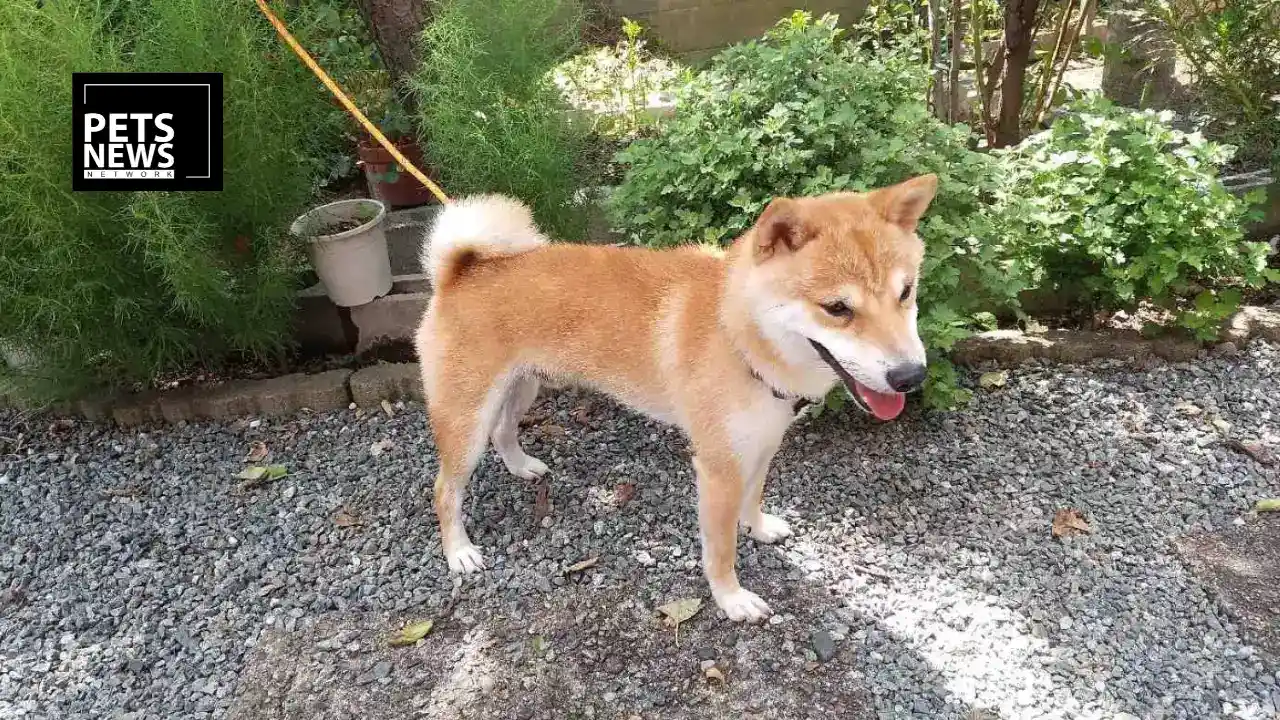
Among the animals still missing is Go, a 2-year-old Shiba Inu wearing a blue collar, who fled his home in Kumamoto’s Minami Ward moments after the main quake hit. His case has become one of the many being actively tracked by volunteers combing the affected area, checking undergrowth, alleyways, and any spot a frightened animal might use to hide.
Go’s story reflects a pattern disaster-response workers know all too well: pets, unable to understand what’s happening around them, often react to the sudden violence of an earthquake by fleeing blindly, sometimes putting real distance between themselves and home before exhaustion or fear finally stops them.
Why Pets Become the Overlooked Victims of Disasters
When natural disasters strike, animals are frequently among the most vulnerable and easily overlooked casualties. Unlike people, pets can’t be briefed on evacuation routes or reassured that a shelter is safe. A sudden, violent tremor can send even the calmest, most well-trained animal running in blind panic, often far from anywhere familiar.
That’s precisely why the response network kicking into gear in Kumamoto matters so much. Private animal shelters and volunteer organizations are working alongside online community networks to post sightings, share information about frightened or displaced animals, and connect found pets back with the families desperately searching for them.
A Community Coming Together Amid Tragedy
Even as search-and-rescue teams, including police, firefighters, and Japan’s Self-Defense Forces, continue working through the aftermath of the mall collapse and broader quake damage, animal welfare volunteers have carved out their own parallel rescue mission — one focused specifically on the region’s four-legged residents.
This kind of grassroots mobilization isn’t unprecedented in Japan, a country with painful institutional memory of disaster-driven pet displacement dating back to previous major earthquakes. But each time it happens, it underscores the same lesson: disaster preparedness has to include a plan for pets, not just people.

What This Means Going Forward
For families in Kumamoto still searching for missing pets like Go, the coming days will be critical. Volunteers on the ground continue circulating information, and every additional set of eyes — whether a neighbor, a shelter worker, or someone simply scrolling through a local community post — improves the odds of a reunion.
As Kumamoto works through the broader recovery from this earthquake, the parallel effort to bring its missing pets home stands as a quiet but powerful reminder that animal welfare remains an essential part of disaster response, not an afterthought.
Pets News Network is India’s first dedicated media platform for the pet and animal industry. For breaking global pet news, brand coverage, and advertising enquiries, contact: ankur@petsnewsnetwork.com