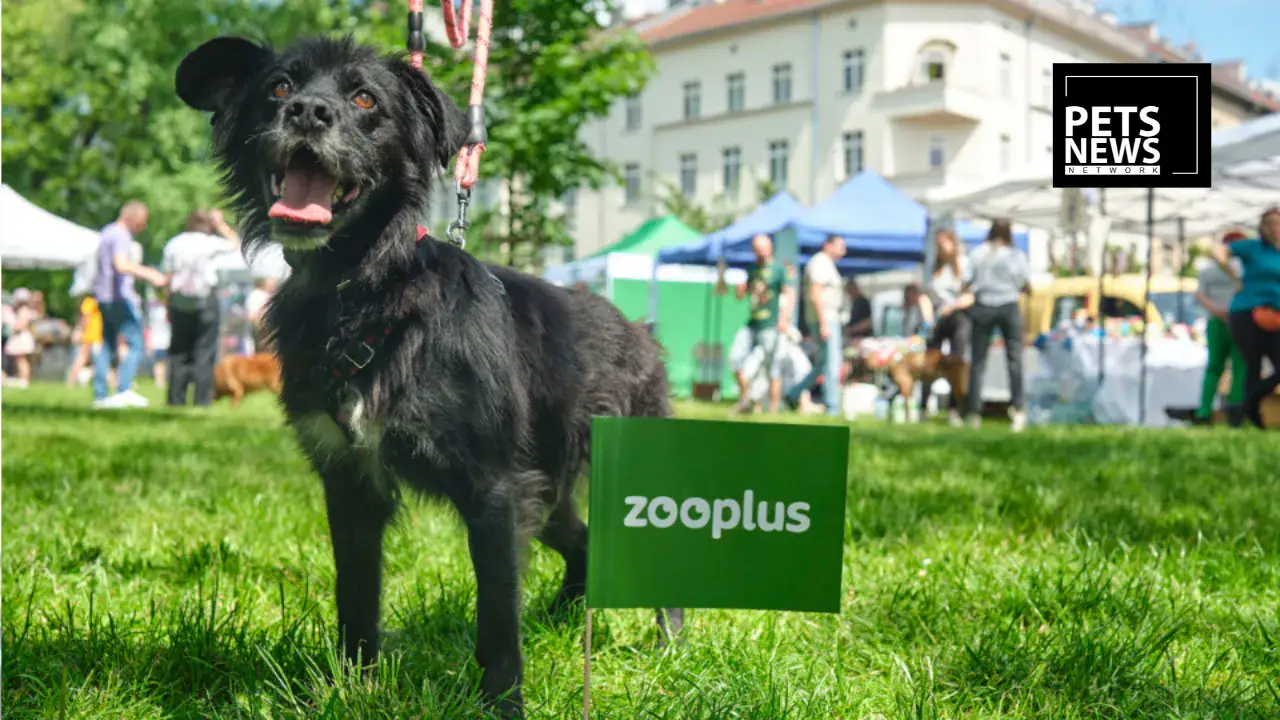

Munich-based online pet retailer Zooplus has taken a decisive step toward reinventing itself, moving from a traditional online retailer into something closer to a full-fledged e-commerce platform. On August 5, 2026, the company officially launched its third-party marketplace in Germany, opening its site to outside sellers for the first time in its home market.
For a company that has spent years building its identity around being a pure-play pet retailer, this is a meaningful strategic pivot, and one that signals bigger ambitions across the European pet care landscape.
What Actually Changed on Day One
The impact of the launch was immediate and substantial. Roughly 10,000 new products became available on Zooplus’s German site the moment the marketplace went live, a significant jump in catalogue depth achieved without Zooplus having to source, stock, or warehouse a single additional item itself.
Interestingly, the expansion wasn’t spread evenly across categories. Around 65% of the new products fall under pet accessories, suggesting this is precisely the category where Zooplus’s existing catalogue had the most room to grow, and where third-party sellers saw the clearest opportunity to plug the gap.
Not Zooplus’s First Attempt: The France Blueprint
This isn’t a first experiment for the company. Zooplus had already piloted the marketplace model in France, and the results there appear to have been the deciding factor behind the German rollout.
In France, the marketplace model reportedly tripled the number of products available to customers, a dramatic proof of concept that a third-party seller network could meaningfully expand selection without diluting the shopping experience Zooplus customers are used to. Germany, as the company’s largest and most established market, was the natural next step once that France pilot proved out.
The Bigger Strategy: From Retailer to Platform
Zooplus’s leadership has been fairly direct about where this is heading. Pierre-Yves Delforge, the company’s Chief Merchandising Officer, confirmed plans to accelerate the marketplace rollout across the more than 25 European countries where Zooplus currently operates.
That framing matters. Rather than treating the marketplace as a Germany-specific experiment, the company appears to be building toward a pan-European platform strategy, one where Zooplus increasingly functions as the infrastructure connecting pet product sellers with customers across the continent, rather than solely acting as the seller itself.
It’s a strategic shift that mirrors a pattern seen across other major e-commerce categories globally, where established retailers eventually open their platforms to third-party sellers to scale catalogue breadth faster than their own sourcing and logistics teams ever could alone.
How the Marketplace Actually Works
For sellers looking to join, the barrier to entry is relatively clear-cut. Zooplus’s marketplace is open to EU-registered sellers who maintain EU-based inventory, ensuring products ship from within the region rather than relying on longer international logistics chains.
Participating sellers pay a flat fee of €39.90 per month, along with a 16% commission on sales made through the platform. In exchange, they gain access to Zooplus’s existing customer base, one of the largest in European pet e-commerce, without needing to build their own direct-to-consumer storefront or marketing engine from scratch.
Where AI Fits Into the Picture
Behind the scenes, Zooplus is leaning on artificial intelligence to keep the expanded catalogue usable and consistent. The company is using AI tools to enhance product descriptions and standardise key attributes like colour and sizing across listings from different third-party sellers.
This detail matters more than it might initially seem. Marketplace models often struggle with inconsistent, poorly formatted, or incomplete product listings once multiple sellers are involved. By automating description enhancement and attribute standardisation, Zooplus appears to be trying to preserve a unified, high-quality browsing experience even as the number of sellers behind the scenes multiplies.
Customer Experience: Designed to Feel Unchanged
Despite the significant backend shift, Zooplus has been clear that the front-end shopping experience for customers remains seamless and unchanged. Shoppers browsing the German site won’t need to navigate a separate marketplace section or distinguish between Zooplus-sourced and third-party products in any disruptive way, the goal is a single, integrated storefront regardless of who’s actually fulfilling the order.
Why This Matters for the Global Pet Industry
Zooplus’s marketplace pivot is a useful signal for pet industry watchers well beyond Europe. It reflects a broader trend of established pet retailers evolving into platforms as a way to compete on selection without carrying the full weight of inventory risk themselves.
For India’s own fast-growing pet e-commerce and retail ecosystem, where selection, logistics, and catalogue depth remain ongoing challenges for many players, Zooplus’s approach offers a real-world case study worth watching. As the company moves to scale this model across 25-plus European markets, its execution, and whether the AI-driven consistency measures actually hold up at scale, will be closely tracked by pet industry stakeholders globally.
Pets News Network is India’s first dedicated media platform for the pet and animal industry. For breaking global pet news, brand coverage, and advertising enquiries, contact: ankur@petsnewsnetwork.com