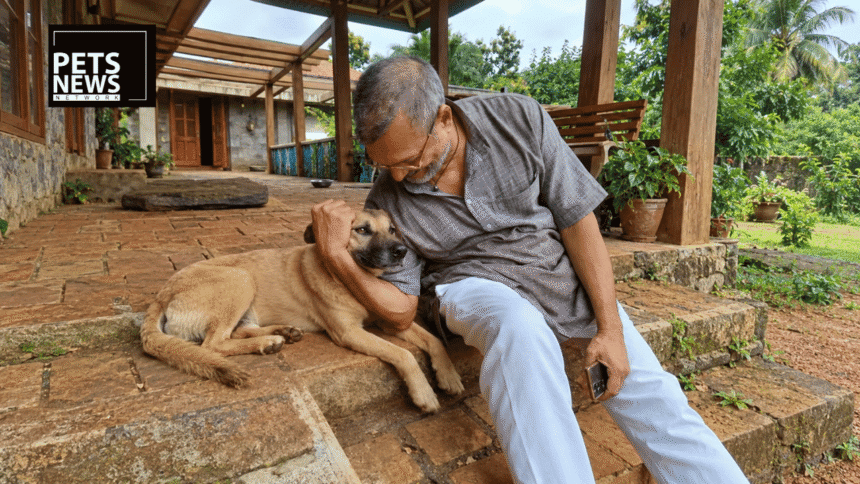

India’s relationship with its pets has changed dramatically in the last decade. Dogs and cats have gone from being household additions to being treated, increasingly, as family. What hasn’t kept pace with that shift is the workforce responsible for actually caring for them — the groomers, walkers, trainers, sitters, and boarding staff who handle animals every single day, often with no formal training at all.
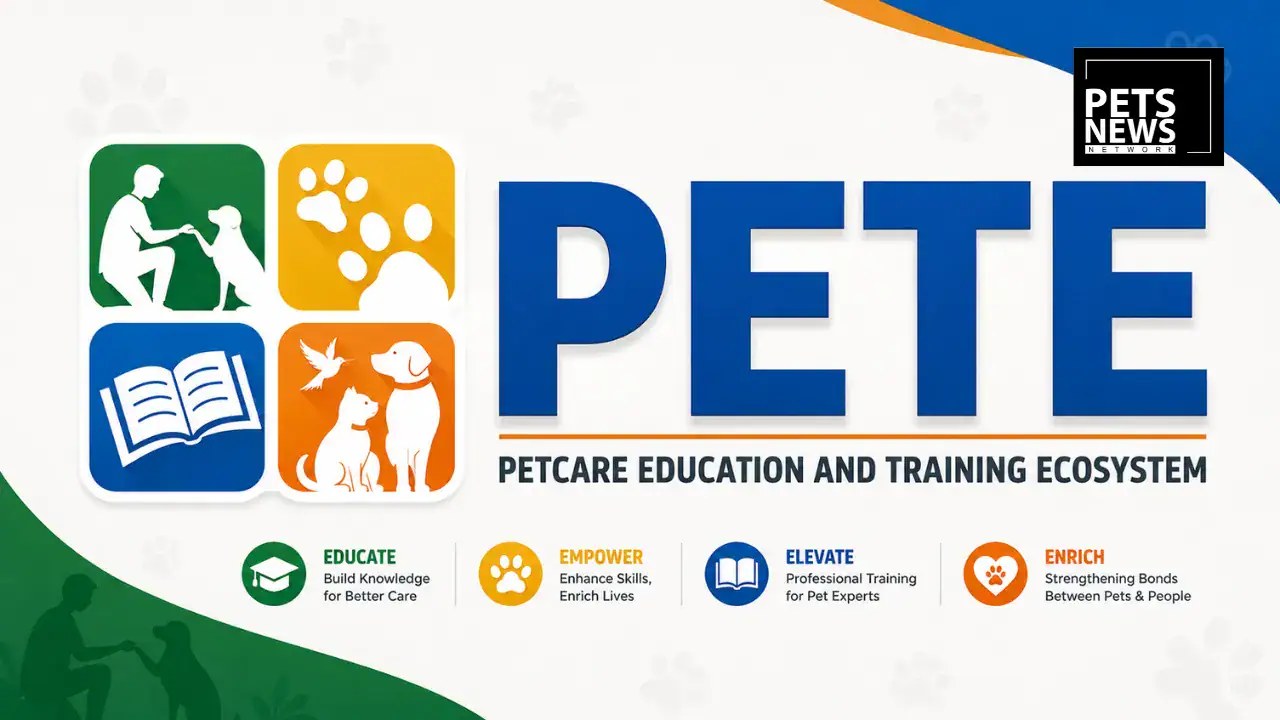
That gap is precisely what a Pune-based institute called PETE — the Petcare Education & Training Ecosystem — was built to close.
A Market Growing Faster Than Its Workforce
The scale of India’s pet care boom is hard to overstate. The industry has grown from roughly $1.6 billion in 2019 to more than $3.6 billion in 2024, and pet ownership across the country now stands at nearly 42 million animals. Pet food and nutrition brands have ridden that wave successfully, launching new products and expanding aggressively to meet demand.
But behind that growth sits a quieter, more troubling story. There is currently no organized structure for pet parents to rely on when it comes to hands-on services — grooming, boarding, walking, sitting, training — leaving most people to depend on scattered advice, word-of-mouth referrals, and professionals who learned their craft informally rather than through any certified pathway.
It’s this exact gap that PETE set out to address when it was established in 2025, positioning itself as the first pet care ecosystem in India built around real-world, practical training rather than ad hoc apprenticeship.
What PETE Actually Is
PETE describes its purpose in a single sentence: to teach the science, art, and commerce needed to build a career in the pet care industry. It is backed and managed by pet enthusiasts, with an explicit ambition to become a forerunner in pet care training nationally, not just regionally.
Its stated vision is to set the standard for modern, ethical, and skilled animal care in India. Its mission goes a step further — to build an all-inclusive ecosystem that transforms the sector by equipping people with certified, hands-on training, ultimately creating a skilled, compassionate workforce for India’s rapidly growing pet care industry.
Inside the Curriculum
PETE’s course offerings span the practical breadth of the pet care profession. Currently available programs include pet handling and dog walking, professional pet sitting, pet photography and videography, pet boarding and facility management, basic pet grooming, and an online pet parenting foundation program, alongside industry-specific workshops, masterclasses, and continuing education sessions offered both online and offline.
A handful of additional programs are further along the pipeline, awaiting formal approval from the Maharashtra state government: ethical breeding, animal communication, and a vet assistance program. Their inclusion signals where PETE hopes to expand its scope in the near future — into more specialized, higher-skill corners of the industry.
The institute’s target audience is deliberately broad. It’s designed for pet passionates and pet lovers exploring the field for the first time, for young people looking for a side hustle, for career switchers considering a full pivot, and for existing pet care professionals who want to formalize and upgrade skills they’ve already been practicing informally.
How Training Actually Works
PETE’s teaching methodology combines classroom-based theoretical learning with hands-on practical sessions involving real animals, demonstrations led by experienced industry professionals, and real-world case studies and scenario-based learning. Where relevant, courses also incorporate business and customer service orientation, alongside broader exposure to industry best practices, safety protocols, and animal welfare standards.
Certification isn’t handed out automatically. Participants are evaluated through a combination of attendance and participation, practical skill assessments, assignments and project work, and a final practical and/or written evaluation. Program duration generally ranges from 90 to 150 hours, depending on the course, delivered across flexible schedules designed to accommodate both students and working professionals.
To maximize accessibility, PETE offers three distinct learning formats: offline programs featuring practical, instructor-led classroom and field training; online programs, currently centered around pet parenting courses; and hybrid programs that combine online theoretical instruction with offline, hands-on practical training for a more complete skill-building experience.
The Man Behind the Mission
PETE is led by Partha Joshi, its Director, who brings more than two decades of experience in brand strategy, marketing, product management, and business leadership, having built and scaled brands while driving consumer engagement across the entertainment and news industries.
The inspiration behind PETE, however, came from somewhere far more personal. It grew out of Joshi’s own experience as a pet parent — one that exposed him directly to the gaps in pet care awareness, responsible ownership, and access to credible information that so many Indian pet owners quietly navigate. Recognizing that many of the challenges facing pets and their owners stem from a lack of education rather than a lack of compassion, Joshi built PETE around a simple conviction: that lasting change begins with informed, knowledgeable communities.
Under his leadership, PETE has positioned itself as an education-first ecosystem, empowering individuals with practical knowledge and expert guidance through programs recognized by Maharashtra State’s Vocational & Technical Education framework. Its broader mission is to foster a culture of responsible pet parenting, promote animal welfare, and encourage every stakeholder — from pet parents to veterinarians, businesses, and policymakers — to play an active role in ensuring every pet receives the care, respect, and support it deserves.
“India’s pet care industry is growing at an unprecedented pace, but its growth must be matched by professional competence,” Joshi said. “We expect qualified manpower in healthcare or education, pets too deserve caregivers who are trained, certified and committed to animal welfare.”
On the founding philosophy behind PETE, he added: “PETE was founded on a simple belief that better education leads to better care. By empowering both pet parents and pet lovers with the right knowledge and skills, we can create a more compassionate, responsible and welfare-driven ecosystem for every pet.”
Why Untrained Care Genuinely Puts Animals at Risk
The consequences of India’s largely unregulated pet care sector are not abstract. Many individuals currently enter professions like grooming, training, boarding, walking, breeding, and pet sitting through informal learning or hands-on experience alone. While many of these professionals are genuinely passionate about animals, the absence of standardized education, certification, and continuous skill development has led to inconsistent standards of care across the industry — with real consequences for the animals involved.
Inadequate knowledge of pet health, nutrition, and breed-specific needs can delay recognition of illness, allowing preventable conditions to worsen. Improper handling techniques and inappropriate training methods can trigger chronic stress and behavioral problems in pets whose fear, anxiety, or aggression goes unrecognized. Untrained handlers may inadvertently cause injuries during grooming, boarding, or exercise due to poor restraint techniques or an inability to respond to emergencies. Boarding centers, daycares, and grooming salons without formal training may overlook essential requirements around hygiene, ventilation, disease prevention, and animal comfort. And a lack of scientific grounding can perpetuate outdated training methods rooted in punishment or fear rather than evidence-based, humane practice.
There are also quieter, harder-to-see costs. Professionals who interact with pets regularly are often best positioned to catch early health or behavioral warning signs — but without training, those signs can go unnoticed. Limited understanding of sanitation and biosecurity protocols increases the risk of infectious disease spreading through multi-pet environments like kennels and shelters. And inconsistent service quality erodes public trust, making it genuinely difficult for pet owners to identify reliable, safe professionals.
“Certification is not just about earning a credential; it is about building trust,” Joshi said. “Standardised education and recognised qualifications will elevate the profession, improve service quality and give pet parents the confidence that their beloved companions are receiving safe, ethical and competent care.”
The Data Behind the Urgency
PETE’s push for professionalization is backed by a clear demographic shift. According to TGM Research’s Global Pet Care Report, 71 percent of Indian respondents own pets, and 56 percent consider their pets to be family members — a mindset shift that has significantly raised expectations around professional care, safety, welfare, and service quality.
Regulatory momentum appears to be catching up with that shift. Recent state-level animal welfare regulations in Tamil Nadu now require pet boarding, grooming, and training facilities to meet prescribed welfare standards, employ qualified personnel, and use positive reinforcement-based training methods — a sign of the broader push toward accountability across the sector. The Animal Welfare Board of India has likewise consistently emphasized humane handling, proper facility management, and welfare standards in its guidance and annual reports, objectives that align directly with what structured education and certification aim to deliver.
Investigations into India’s unregulated pet care sector have also documented real cases involving inadequate facilities, poorly trained staff, unsafe boarding environments, and avoidable animal suffering — evidence that reinforces exactly why recognized training and industry standards matter, both for animals and for the pet owners who trust these services with their companions.
Early Progress and What Comes Next
Since piloting in Pune, PETE has already built momentum. It has partnered with corporates such as BNY India to promote responsible pet parenting, and operates under the aegis of Maharashtra State’s Skill Development Ministry. It has raised awareness about the need for trained, certified professionals through appearances at community expos including Petopia and Pet Fed, and reports that its first two graduating batches of students have achieved 100 percent placement. The institute has also been building awareness directly within colleges and schools, and now plans to expand its footprint across Maharashtra.
Looking ahead three to five years, PETE envisions becoming India’s leading education, training, and certification ecosystem for the pet care industry — developing a nationally recognized certification framework for groomers, trainers, handlers, boarding professionals, and walkers, built through strategic partnerships with veterinarians, animal behaviorists, educational institutions, industry leaders, and government bodies.
At the same time, PETE intends to keep empowering pet parents directly, through accessible learning programs and awareness initiatives that promote responsible ownership and improve quality of life for companion animals. By fostering collaboration across the entire pet care ecosystem, PETE hopes to influence industry standards, advocate for professional accreditation, and contribute to policy discussions that strengthen both animal welfare and consumer confidence nationwide.
“Responsible pet ownership goes far beyond love and affection,” Joshi said. “It requires commitment, knowledge and informed decision-making. Educating pet parents is one of the most effective ways to improve the health, happiness and wellbeing of companion animals.”
A Vision Built on Education
Ultimately, PETE’s ambition is straightforward but far-reaching: a future where every pet care professional in India is trained and certified, every pet parent has access to trusted knowledge, and every pet receives compassionate, informed, and responsible care as a shared social responsibility — not a privilege reserved for a few.
As Joshi puts it: “Our vision is to build a future where every pet care professional has access to quality education, every pet parent has access to trusted guidance, and every pet benefits from informed, compassionate and responsible care. At PETE, we believe education is the foundation of lasting change in animal welfare.”
For an industry expanding as quickly as India’s pet care sector, that kind of foundational shift — treating pet care as a genuine profession rather than an informal trade — may prove to be exactly the change the country’s growing population of pets needs most.
Pets News Network is India’s first dedicated media platform for the pet and animal industry. For breaking global pet news, brand coverage, and advertising enquiries, contact: ankur@petsnewsnetwork.com