

A Seizure That Wasn’t What It Looked Like
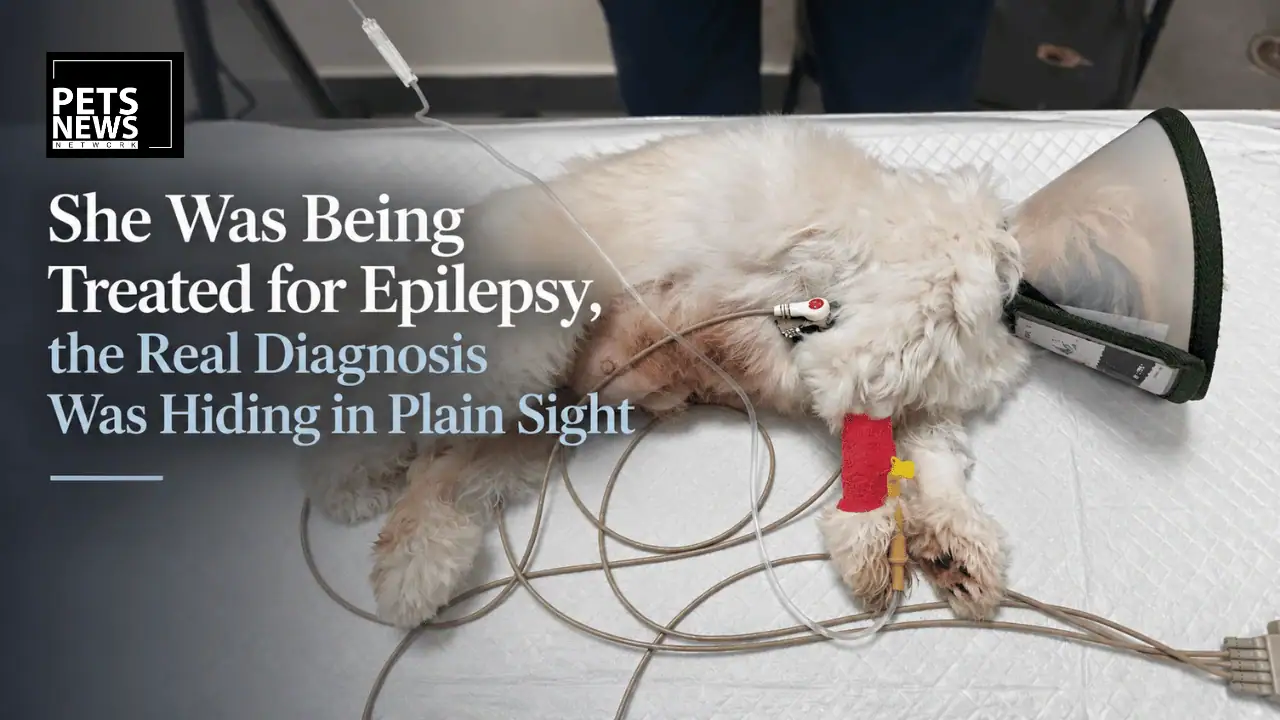
A 1-year-2-month-old mixed-breed dog, weighing just 3.7 kilograms, arrived at a veterinary facility in a genuinely alarming state. She was recumbent, unable to hold herself up, breathing rapidly with her mouth open, and running a dangerously high fever, a rectal temperature of 105.6°F. To anyone watching, it looked like a medical crisis in progress, because it was.
What made this case particularly striking wasn’t just her condition on arrival, it was what had happened before she got there. She had already been seen by a local veterinarian for what was diagnosed as epilepsy, following an earlier seizure-like episode, and had been treated with diazepam, a standard anticonvulsant medication used to control seizures in dogs.
That diagnosis, understandable as it may have seemed at the time, turned out to be incomplete in a way that nearly cost this young dog her life.
The Detail Everyone Almost Missed
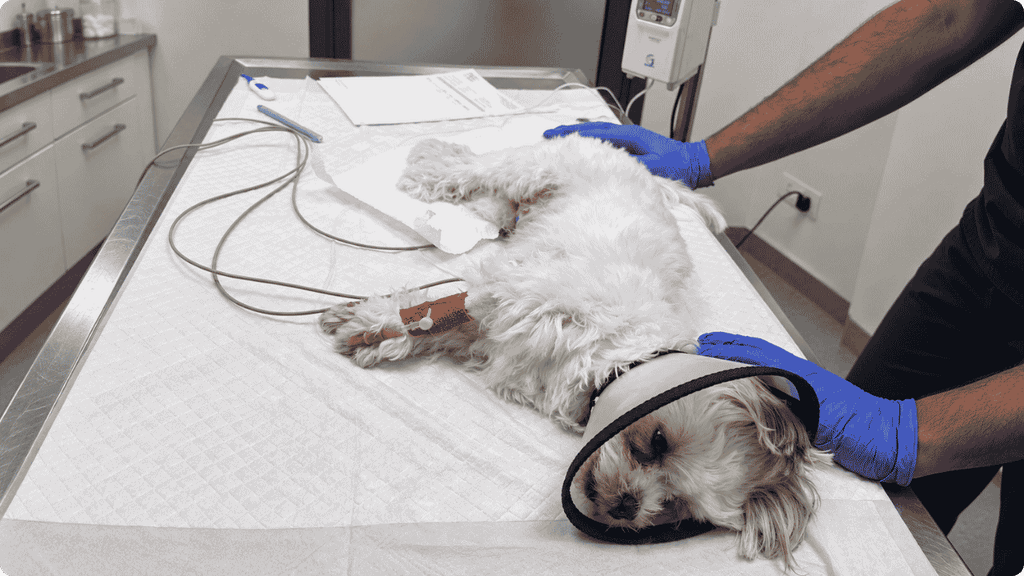
When the dog was examined more thoroughly at this second presentation, one physical finding changed the entire diagnostic picture: her mammary glands were swollen and visibly congested.
That single observation opened up a line of questioning that hadn’t been part of her initial workup. Further history revealed that she had given birth just 15 days earlier, and was actively nursing a litter of puppies, without receiving any dietary calcium supplementation throughout that period.
Suddenly, the seizure-like episode that had originally been diagnosed as epilepsy looked like something else entirely: postpartum eclampsia, also known as puerperal tetany, a condition caused by severe hypocalcemia, a critical drop in blood calcium levels, brought on by the intense calcium demands of nursing a litter without adequate supplementation to replace what was being lost.
Why This Misdiagnosis Happened, and Why It’s So Common
It’s worth understanding why a seizure in a nursing dog might initially be attributed to epilepsy rather than a metabolic cause like hypocalcemia. Seizures are, fundamentally, a symptom, not a diagnosis in themselves. They can result from a wide range of underlying causes, including primary neurological conditions like epilepsy, but also from metabolic disturbances, toxin exposure, and other systemic crises entirely unrelated to the brain’s own electrical activity.
Without specifically noting that the patient was a recently whelped, actively nursing mother, and without a physical exam that included checking the mammary glands, there’s little reason an initial assessment would immediately jump to a calcium-related metabolic emergency instead of epilepsy, particularly given how visually similar a hypocalcemic seizure can look to any other type of seizure activity in the moment.
This is precisely why the case is such a valuable teaching example. The correct diagnosis wasn’t buried in some obscure or expensive diagnostic test, it was sitting in the patient’s recent whelping history and a basic physical examination finding that simply hadn’t been connected to her seizure presentation the first time around.
Stabilizing a Dog in Crisis
Once postpartum eclampsia was identified as the likely cause, treatment moved quickly on two fronts simultaneously, addressing both her dangerously high fever and the underlying calcium deficiency driving her neurological symptoms.
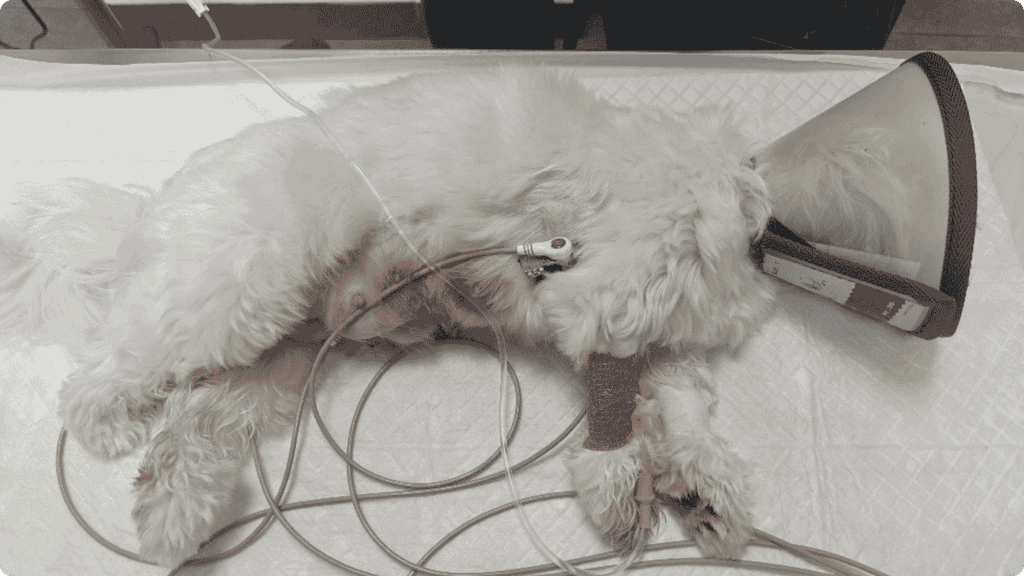
Supportive fluid therapy was administered first, and it worked rapidly. Her rectal temperature dropped from a severe 105.6°F down to a normal 100.5°F, a critical first step given how dangerous sustained hyperthermia can be on its own, independent of whatever is causing it.
With her temperature stabilizing, the treatment team moved to address the root cause directly: slow intravenous administration of calcium gluconate, delivered under continuous ECG monitoring throughout the infusion. That monitoring detail matters enormously here. Calcium directly affects heart rhythm, and administering it too quickly, or without cardiac monitoring, can itself trigger dangerous arrhythmias. The careful, monitored approach used in this case reflects exactly the kind of caution this particular treatment demands.
A Recovery With an Unexpected Detour
The path back to full health wasn’t entirely linear. On the first day following treatment, the patient developed bilateral hindlimb weakness, a lameness affecting both back legs, an unexpected complication that could understandably have caused concern given how serious her presentation had already been.
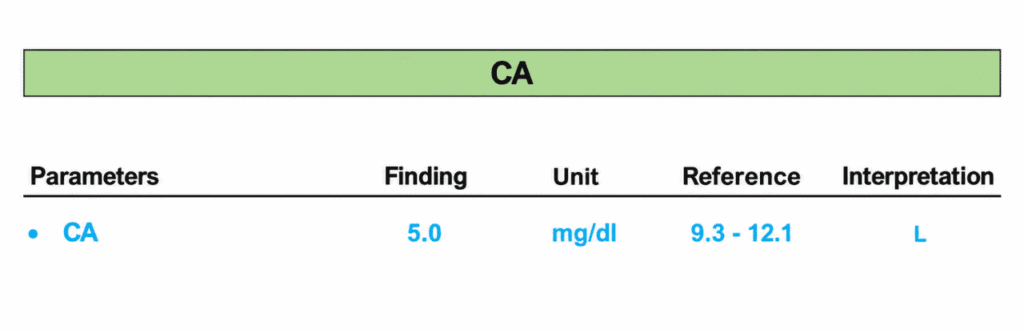
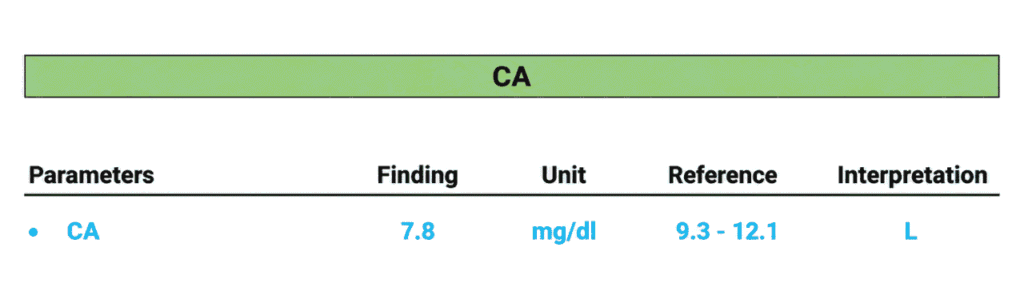
By day two, however, the picture had improved substantially. Follow-up bloodwork showed her calcium levels had risen significantly, and following a second dose of intravenous calcium gluconate, along with a transition to oral calcium supplements, her hindlimb weakness resolved entirely. She regained full mobility, walking and running normally, a complete turnaround from a dog that had arrived unable to even hold herself upright just two days earlier.
Understanding Postpartum Eclampsia More Broadly
Postpartum eclampsia is a genuine veterinary emergency, most commonly seen in smaller dog breeds with larger litters, precisely the kind of physiological mismatch that places enormous calcium demand on a nursing mother’s body. As milk production ramps up to feed a litter of puppies, calcium is drawn out of the mother’s bloodstream at a rate her body may not be able to replace quickly enough, particularly if her diet isn’t specifically supplemented to account for the dramatically increased demand nursing places on her system.
Left untreated, the resulting hypocalcemia can progress rapidly, from initial restlessness and muscle tremors, through to the kind of severe, seizure-like episodes and dangerous hyperthermia seen in this case, and can ultimately become fatal without prompt intervention. The condition’s speed and severity are exactly why early recognition matters so much, there often isn’t a wide window for delayed diagnosis before a nursing mother’s condition becomes critical.
The Practical Lessons This Case Offers
For veterinarians, this case reinforces a principle worth repeating often: a seizure is a sign, not a diagnosis. Before settling on a neurological explanation like epilepsy, especially in a young, recently whelping female dog, ruling out metabolic causes, hypocalcemia chief among them, deserves genuine priority. A thorough physical examination, including something as straightforward as checking mammary gland condition and asking about recent whelping and nursing history, can be the single detail that changes an entire diagnostic and treatment pathway.
For pet owners, the takeaway is just as important, and arguably more actionable. Any nursing mother dog, particularly smaller breeds with sizable litters, should generally be provided with proper calcium supplementation throughout lactation, ideally guided by a veterinarian’s specific dietary recommendations rather than left unsupplemented on the assumption that regular food alone will suffice. If a nursing dog shows any signs of restlessness, muscle tremors, stiffness, panting, or seizure-like activity within the weeks following birth, postpartum eclampsia should be raised as a genuine possibility and evaluated urgently, rather than assumed to be an unrelated neurological issue.
A Reminder About the Value of Careful, Complete Examination
Perhaps the broadest lesson from this case extends beyond postpartum eclampsia specifically. It’s a reminder of how much diagnostic value sits in careful, complete physical examination and thorough history-taking, well before advanced diagnostics or specialist referral become necessary. In this case, the difference between an incomplete diagnosis that nearly proved fatal and a correct one that led to full recovery within 48 hours came down to noticing swollen mammary glands and asking one additional question about the patient’s recent history.
For a condition as time-sensitive and potentially fatal as postpartum eclampsia, that kind of attentive, connect-the-dots clinical approach isn’t just good practice, it’s often the entire difference between a positive outcome and a tragic one.
Pets News Network is India’s first dedicated media platform for the pet and animal industry. For breaking global pet news, brand coverage, and advertising enquiries, contact: info@petsnewsnetwork.com